
Thursday, November 19, 2026



News and Views from the Global South
Climate Change
Africa’s Future Lies in a Green Energy Grid
Development in Africa could falter as climate change grips the continent, increasing the length and severity of droughts and floods by altering precipitation patterns, among other impacts.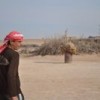
Drought Hits Middle East Farmers, Again
Anxious farmers gather in their field on a warm, clear day in Syria’s arid northern region of Al-Raqqa, near the banks of the Euphrates River. The ground in this corner of the ‘fertile crescent’ is barren, save for a small herd of sheep on the ten-hectare farm.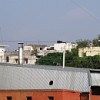
ENVIRONMENT-INDIA: Waste-to-Energy Plants Face Public Heat
A plan to establish waste-to-energy plants in New Delhi as part of a carbon- trading programme has run into fierce opposition over hazards posed by toxic chemical byproducts.
CLIMATE CHANGE: As Andean Glaciers Recede, Region Steps Forward to Adapt
The mountainous areas of South America's Andean nations supply water to the coastal cities, provide habitat to important biodiversity, and serve as natural barriers, but global warming threatens those regions, which are home to millions of people.
CLIMATE CHANGE: Emissions Punted to Durban, Breakthrough Seen on Forests
If success is measured by delaying difficult decisions, then the Cancún climate meeting succeeded by deferring crucial issues over financing and new targets to reduce greenhouse gas emissions to the next Conference of the Parties meeting a year from now in Durban, South Africa.
CLIMATE CHANGE: Summit Ends Without Solving Emissions Puzzle
"We are the coldest country in the world... so global warming is good for us. The warmer it is, the bigger the harvests... They talk about stopping deforestation of the tropical jungles to fight climate change, but we don't have tropical jungles."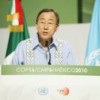
CLIMATE CHANGE: See the Green in REDD+, Say Top Leaders in Cancun
An entire body of leaders, spearheaded by U.N. Secretary- General Ban Ki-moon, is now looking at REDD+ as a panacea to global warming with multiple benefits thrown in.
Q&A: “Create a Protocol Based on Non-Emissions”
Latin America should create regional conventions to protect biodiversity and combat the impacts of climate change, according to Ecuadorian environmentalist Yolanda Kakabadse, president of the World Wild Fund for Nature International (WWF).
CLIMATE CHANGE: India Ups Ante with Offer for Binding Targets
A rough yardstick for identifying which Asian countries make the biggest ripples in Cancún is the number of journalists who crowd around the spokesperson immediately after a press conference.EL SALVADOR: Most Water-Stressed Country in Central America
Every night at 1:00 AM, Julio César Amaya gets up to turn on the faucet, because it is the only time that there is piped water in his neighbourhood - the poor district of San José, in the city of Soyapango, one hour east of the capital of El Salvador.OP-ED: Stimulate the Green Race to Tackle Climate Change
While negotiators in Cancún are struggling to make progress, there is something interesting happening in the world. And, it is good news. Countries have started to recognise and act upon the economic value in meeting the demand for green technology.
Latin America Puts Bamboo’s Climate Virtues to the Test
While a global agreement to fight the climate crisis may be off the table for now, many activists and experts are focusing on options for mitigating climate-changing gas emissions and the impacts of increasingly extreme weather. One such alternative is bamboo.
CLIMATE CHANGE: Protesters Say “No” to Climate Market
The short-cuts that the United Nations system is offering companies to profit from strategies against global warming were the target of loud protests on the Day of Action for Climate Justice.CLIMATE CHANGE: Juggling Carbon Consumption and Social Gains
The economies of Latin America are caught on the horns of a dilemma: how to reduce their carbon consumption without sacrificing economic and social development. Subsidies for the development of renewable energies and for learning new technologies need to be increased urgently, experts say.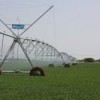
CLIMATE CHANGE: As World Warms, Southern Africa Swelters
Africa will be amongst the hardest hit regions of the world as the climate heats up, threatening the continent's food security, experts agree. If global temperatures rise 2.0 degrees C, southern Africa will warm an additional 1.5 degrees to a 3.5-degree increase on average.
CLIMATE CHANGE: Cancun Summit Gives Fossil Fuels a Free Pass
The main cause of climate change is the burning of fossil fuels, so why are billions of dollars being invested to find and produce more oil, coal and natural gas?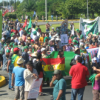
CLIMATE CHANGE: Straining Gnats and Swallowing Camels
What some people view as modest but real progress in the climate change talks, now in their second week in this southeastern Mexican resort city, others see as no more than smokescreens or "false solutions."CLIMATE CHANGE: Legislators Seek to Influence Cancun
"And what about after 2012?", when the Kyoto Protocol climate change treaty’s first period of commitments ends, was the question floating around an international meeting of legislators held over the weekend in the Mexican capital.CLIMATE CHANGE: Recyclers Tout Benefits of Their Trade at Cancun Summit
Ezequiel Estay began collecting glass bottles in 1991 after losing his job with the Chilean media conglomerate Copesa. Now, years later, he heads Chile's National Movement of Recyclers and is a leader of the Latin American Recyclers' Network, which is questioning the climate benefits of the Clean Development Mechanism (CDM).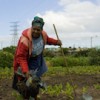
CLIMATE CHANGE: Turning Agriculture From Problem to Solution
Global agriculture contributes in the region of 17 percent to the greenhouse gas emissions that cause climate change, but according to the World Bank, climate smart agriculture techniques can both reduce emissions and meet the challenge of producing enough food for a growing world population.
CLIMATE CHANGE: Rumours and Pessimism Reign Midway Through Cancun Summit
At the end of the first week of climate negotiations under way in this Mexican Caribbean resort city, it seems a distant possibility that the nearly 200 national delegations will agree on renewing the Kyoto Protocol, which expires in 2012.« Previous Page — Next Page »


As unsustainable human consumption and production systems are driving changes in average temperatures and weather patterns, "abnormal" is increasingly becoming the norm. So far, a lack of financing has been standing in the way of a comprehensive global plan for climate adaptation, and a global financial crisis has contributed to an increasing reliance on public-private partnerships. Our Climate Change page provides you with the latest news about international and local efforts to address what's frequently been called "the challenge of our time", the forces behind the climate change and the impact it has on the world's most vulnerable populations. Along the way, we bring you stories on growing citizen awareness, new scientific data, and emerging climate policies towards sustainable development.

The Week with IPS

Tracking global progress towards a sustainable world

