
Thursday, November 19, 2026



News and Views from the Global South
Climate Change
CLIMATE CHANGE: Averting the Grimmest Scenarios
The catastrophic floods in Pakistan have added urgency to a high-level United Nations summit this week, with delegates from mostly South Asian nations convening Tuesday to call for increased technology transfer from richer countries and to compare strategies to avert the worst effects of climate change.
Climate Justice Treks from Cochabamba to Cancun
The "people's" climate agenda that the Bolivian government and civil society produced at an April conference in Cochabamba has made its way to the official United Nations negotiating table. But its inclusion in a binding climate treaty is unlikely, say activists.
Arctic Ice in Death Spiral
The carbon dioxide emissions from burning fossil fuels have melted the Arctic sea ice to its lowest volume since before the rise of human civilisation, dangerously upsetting the energy balance of the entire planet, climate scientists are reporting.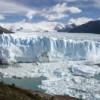
ARGENTINA: Fighting to Save Glaciers as They Retreat
Argentina's glaciers, along with Chile's the most extensive of South America, manifest the damage caused by climate change, while they also face threats from mining and major transportation infrastructure projects. A law to protect them has been postponed yet again.Expectations Scaled Back for Cancun Climate Summit
When, following months of hype, ministers and negotiating teams arrived in Copenhagen last December for a summit on climate change, the expectations for what could be accomplished were unrealistic and made the successes that did occur seem less important than they were, says the climate chief of Mexico, which will host this year’s successor to the Copenhagen summit.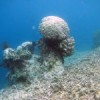
Record Temperatures Killing Caribbean Corals
The waters of the Caribbean Sea are the warmest on record and the region's imperilled corals are bleaching and beginning to die, experts warn.EUROPE: New Permits to Pollute Sought
Extra permits to pollute the atmosphere would be given to corporations that invest in areas surrounding tropical rainforests under plans drawn up by one of Europe's most influential pressure groups.BP Report on Oil Spill Disaster Met with Scepticism
The report released Wednesday by energy giant BP of its internal investigation into the catastrophic explosion in April of the Deepwater Horizon oil rig and the subsequent spill from the Macondo oil well has been met with criticism by watchdog groups who question the company's motives.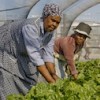
SOUTH AFRICA: Greening Project Creates Income and Food Security
Frances Mandla is visibly filled with pride. Together with her colleague, Nouniform Nqevu, she stands tall and smiling in front of a wide bed of lush spinach. The harvest will be their ticket to a better life. A life where there is enough money to buy food, clothes and pay school fees.
Harvesting Water to Save Crops and Lives
Peter Kivuti, a 51-year-old farmer from Eastern Kenya, never relied on meteorological weather predictions all his life - until three years ago. It was then that rainfall in the region become less predictable.U.N. Climate Body Urged to Take Lead in Gender Focus
Two weeks before the 2010 Millennium Development Goals (MDGs) review summit at the United Nations, concerns are being raised that gender equality is still largely divorced from efforts to address climate change, even though women have a critical role to play in solving - and are often most affected by – the problem.
SOUTHERN AFRICA: Adapt or Perish
A changing climate will prompt changes in behaviour across Southern Africa. And when it comes to adaptation, Swazi farmer Bongani Phakathi is a frustrated man a few steps ahead of his neighbours.
Brazilian Dam Would Put Peruvian Jungle Under Water
Seen from up high, the route to Puente Inambari looks like a green serpent -- long, robust and sinuous. The Amazon jungle that dominates this landscape will be underwater if one of the largest hydroelectric dams in Peru (and all Latin America) is built.Gulf of Mexico Oil Spill’s 30-Year Legacy
A surprisingly small number of scientists have studied the impacts of the oil spill resulting from the 1979 blowout at the Ixtoc I oil rig in the Gulf of Mexico. Wes Tunnell, who first studied the spill’s effects in July and August of 1980 and has returned many times since, is one of the few exceptions.Flood-Ridden Pakistan Ineligible For Emergency Debt Relief
A loan deal between the International Monetary Fund (IMF) and flood-stricken Pakistan announced Thursday has drawn the ire of several NGOs that claim the deal represents an "inadequate" and "cynical" response to the disaster that is estimated to have affected the lives of millions.U.N. Lagging on Water and Sanitation Development Goals
The United Nations stands accused of marginalising water and sanitation in its much-touted Millennium Development Goals (MDGs) aimed at improving the lives of billions of people in the developing world.500,000 Pregnant Women at Risk in Pakistan Floods
Aid groups and U.N. agencies are raising the alarm over the vulnerability of pregnant women and babies in flood ravaged Pakistan.
Portugal’s Forests Losing Ability to Capture Carbon
Environmentalists are alarmed: fires have destroyed close to 100,000 hectares of forest in Portugal this summer, releasing one million tonnes of greenhouse gases into the atmosphere. Worst of all, the forests are losing their ability to absorb carbon.EUROPE-ENVIRONMENT: Hot Air Rises at Talks and in Towns
The European Union (EU) is failing to fulfil its environmental commitments in practically all areas, from protecting biodiversity to improving air quality in the cities, according to official studies released this month.CHILE: Coal Plants Under Fire
Controversial plans to build the Barrancones thermoelectric plant near a protected area in the northern Chilean region of Coquimbo were cancelled Friday, but not before reviving the debate on other projects for polluting coal-fired power stations.ENERGY: Is Fracking Even Worse Than Drilling?
With cleanup of the Gulf of Mexico barely underway, energy companies are already assuming a crouching stance in anticipation of a no-holds-barred attack by environmentalists on what the industry says is the next major breakthrough in natural resource extraction.« Previous Page — Next Page »


As unsustainable human consumption and production systems are driving changes in average temperatures and weather patterns, "abnormal" is increasingly becoming the norm. So far, a lack of financing has been standing in the way of a comprehensive global plan for climate adaptation, and a global financial crisis has contributed to an increasing reliance on public-private partnerships. Our Climate Change page provides you with the latest news about international and local efforts to address what's frequently been called "the challenge of our time", the forces behind the climate change and the impact it has on the world's most vulnerable populations. Along the way, we bring you stories on growing citizen awareness, new scientific data, and emerging climate policies towards sustainable development.

The Week with IPS

Tracking global progress towards a sustainable world

