
Saturday, October 24, 2026



News and Views from the Global South
Environment

FFD4 Must Deliver for the World’s Most Vulnerable Nations
Five years from the 2030 deadline for the Sustainable Development Goals (SDGs), we face a development emergency. The promise to eradicate poverty, combat climate change, and build a sustainable future for all is slipping away. The SDG financing gap has ballooned to over $4 trillion annually—a crisis compounded by declining aid, rising trade barriers, and a fragile global economy.
Science Is Useless if No One Understands It
Despite delivering life-saving medicines, more nutritious crops, and transformative technologies like artificial intelligence (AI), science remains widely misunderstood, polarizing, and underappreciated. Much of this, experts say, comes down to one persistent issue: poor communication.
When Life-Saving Treatment Disappears: The Coming Crisis in Child Malnutrition
On July 1st, USAID officially shuts down and transfers operations to the U.S. State Department. Amid growing uncertainty about the future of U.S. foreign assistance structures and funding, supply chains that deliver life-saving treatment to malnourished children worldwide have broken down, triggering a global nutrition crisis.
The Young Nigerian Innovator Lighting Up Communities With Recycled Solar Innovation
When Stanley Anigbogu heard his name announced as the 2025 Commonwealth Young Person of the Year in London earlier in March, he could hardly believe it. He had not expected to win, especially among a pool of brilliant nominees from across the globe.
UN Drug Office Warns that Global Drug Crisis Will Intensify
Since 1989, the United Nations (UN) has recognized June 26 as the International Day Against Drug Abuse and Illicit Trafficking in an effort to raise awareness around the global drug problem and foster a more compassionate world, free of drug abuse. Through this year’s campaign, “Break the Cycle. #StopOrganizedCrime”, the UN underscores the importance of addressing the root causes of global drug abuse and illegal drug trading, and investing in reliable systems that prioritize prevention, education, and health.
Brazil’s Most Sustainable Capital Puts Value on its Waste
Living with her neighbours, getting to know them and chatting with them is what Lucila Neves enjoys most in the community orchard of Portal de Ribeirão, a neighbourhood in the south of Florianopolis, considered the most sustainable of Brazil's 27 state capitals.
Rising Temperatures, Rising Inequalities: How a New Insurance Protects India’s Poorest Women
As Deviben Dhaundhaliya, 45, a streetside seller of artificial jewelry, waits for her husband Devabhai to arrive and help her shift their iron-frame mobile ‘shop’ to the Bhadra Fort open-air marketplace in Ahmedabad city, she tells of how “as heat increased, my wares started melting under the direct exposure to the sun, or they got discolored.”
How the Commonwealth Climate Access Hub Reaches the Most Vulnerable

The Commonwealth Climate Access Hub responds to the needs of its member countries, including their most vulnerable people to build resilience and climate-smart communities.

WMO Warns That Asia is Warming at Twice the Average Global Rate
On June 23, the World Meteorological Organization (WMO) released their State of the Climate in Asia 2024 report, detailing the acceleration of the climate crisis in Asia. The report underscores the rapid rises in temperatures recorded across the continent and their implications on economies, ecosystems, and livelihoods.
How Many Developing Countries Are Forging Paths to Climate Accountability at SB62
A packed conference room buzzing with the energy of over 300 national experts, negotiators, and implementers discussed their submissions of the First Biennial Transparency Reports (BTRs) during the 62nd session of the Subsidiary Body for Implementation (SB62) negotiations taking place in Bonn, Germany.
A New Solar Power Plant Powers Progress in Zimbabwe’s Renewable Energy Sector
When load shedding was introduced over the past two years, Jose Tenete Domingos Lumboa had to deal with learning disruptions worsened by the backup generators in the eastern part of Zimbabwe.
Despite Strong Commitment, SDGs Progress Alarmingly Off Track 10 Years On—New UN Report Finds
Finland now ranks first in global sustainable development goals progress. Barbados is ahead globally in its commitment to UN multilateralism or cooperation among multiple nations. Only 17 percent of sustainable development goals (SDG) targets are on track for 2030, according to the Sustainable Development Report 2025 (SDR) released today by the UN Sustainable Development Solutions Network (SDSN)
Time to Redesign Global Development Finance
Can the Fourth International Conference on Financing for Development (FFD4) be a turning point? The stakes are high. The international financial system—so important to each and every one of us—feels out of reach and resistant to change, because it is deeply entrenched in unjust power imbalances that keep it in place. We deserve better.
Afghanistan’s Children in Dire Need of an ‘Acceleration in Nutrition Action’
Afghanistan is burdened with one of the highest rates of child wasting globally, with 3.5 million children under five years suffering from a severe form of malnutrition, leaving them dangerously underweight and unable to grow or thrive.
Extreme Weather Will Place Toll on Asia’s Economies and Ecosystems, Says World Meteorological Organization
Asia is heading towards more extreme weather events with a possibility of heavy toll on the region’s economies, ecosystems, and societies, says the World Meteorological Organization (WMO).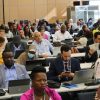
Climate and Health: Urgent Need for Adaptation Strategies in Africa
In recent years, there has been growing evidence of how climate change is impacting human health in several ways.
The Cost of Conservation—How Tanzania Is Erasing the Maasai Identity
On the vast plains of Tanzania’s Ngorongoro Conservation Area (NCA), the sight of young Maasai men in bright shawls, wielding sticks as they herd cattle, has long symbolized peaceful coexistence with nature. These herders, moving in harmony with zebras and wildebeests, are inseparable from the landscape. But today, that very identity—nurtured for generations—is under siege.
Where the Thunder Dragon Breathes: Bhutan’s Bold Bet on Climate, Culture and Contentment
“I can’t get this anywhere else,” says Tshering Lhamo, a 29-year-old shopkeeper in Thimphu, as she gestures toward the clean Himalayan air outside her thangka shop. She once studied in Kuala Lumpur but came back to Bhutan for the peace—and the purity. Her friend, Kezan Jatsho, who has never left the country, adds, “I cherish the peace here,” even as many of their peers migrate abroad.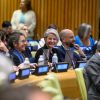
The Global Mental Health Crisis Surges Amid $200 Billion Funding Gap
Although access to mental health and psychosocial support services is considered a fundamental human right by the United Nations (UN), hundreds of millions of people experience limited or inadequate access to mental health and psychosocial support services.
Tanzania Champions Aquatic Foods at UN Ocean Conference in Nice
With less than six harvest seasons left to meet the Sustainable Development Goals (SDGs), the urgency to find transformative solutions to end hunger, protect the oceans, and build climate resilience dominated the ninth panel session at the 2025 United Nations Ocean Conference in Nice, France.
Ocean Protection is a Multi-Billion Dollar Opportunity
The services the ocean provides are the backbone of our collective health, wealth and food security, yet today just 2.7% of the ocean has been assessed and deemed to be effectively protected. In failing to establish adequate safeguards, not only are we condemning communities and ecosystems across the world to decline and collapse, we are also overlooking a significant economic opportunity.« Previous Page — Next Page »





Through our global network of local writers, we are continuing our award-winning coverage of global and local environmental challenges, with a focus on the people for whom the ecosphere matters in a direct way: rural dwellers who have little means to protect themselves against adverse conditions; communities that need to switch to sustainable development in order to survive; poor women and children, who are the most vulnerable in natural disasters. Sponsored by the United Nations Environment Program (UNEP), the United Nations Development Program (UNDP) and The World Bank (WB), IPS also maintains the award-winning Tierramérica, a specialised information service on environment and development.

The Week with IPS

Tracking global progress towards a sustainable world


