Languages
Wednesday, November 11, 2026



News and Views from the Global South
Featured
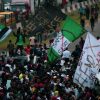
Q&A: What Nigerian Feminists Hope will Come Out of the #EndSARS Movement & Pandemic
As Nigeria’s biggest city, Lagos, reportedly experienced a massive shortage of oxygen cylinders last week — with demand increasing fivefold in one of the city’s main hospitals just as the country recorded some of its highest number of coronavirus cases — its youth leaders are concerned about the impact on vulnerable women.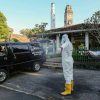
Sri Lanka on Alarming Path Towards Recurrence of Grave Human Rights Violations, Says UN
A new UN report published on Wednesday warns that the failure of Sri Lanka to address past violations has significantly heightened the risk of human rights violations being repeated.
The Struggle to End Female Genital Mutilation: A Dark Secret No More
Survivors of female genital mutilation or cutting (FGM/C), are determined to share their stories to end this practice – even though they face ostracisation by their communities. Masooma Ranalvi, an FGM/C survivor and founder of ‘WeSpeakOut’, an organisation committed to eliminating FGM/C or khafd/khafz/khatna explains that FGM/C is practised by various communities in India but is prominently practised among the Dawoodi Bohras.
60 Days on, India’s Biggest Farmers’ Protest Shows No Sign of Weakening
“This road is my home now and it will decide my future,” Sukhvinder Singh, a 27-year old farmer from the Moga district of Punjab, tells IPS. Last November, weeks after the government of India passed three farm bills he felt were anti-farmer, Singh travelled to Singhu, a village near Delhi, to demand the laws be repealed. Since then, he has been living in a tent he shares with five other fellow farmer-protesters.
An American Horror story
Occasionally some of us might suffer from a feeling of maximal overload, overwhelmed by COVID-19 and the reign of Donald Trump. It can maybe be conceived as far too euro-centric to be concerned about the disastrous situation in the U.S., with media stuffed to the brim by news about Donald Trump while the global environmental crisis is steadily getting worse and war, injustices and famine continue to agonize people in places like Darfur, Yemen, Afghanistan, and Syria.
COVID-19’s Social & Economic Fallout Hits Women Harder
With over 90 million confirmed cases and 1.9 million deaths globally, and a second wave sweeping into 2021, the COVID-19 pandemic continues to hold the world hostage.
What World’s Largest Climate Change Public Opinion Poll Says
Between October and December 2020, something was different for people playing popular video games like Words with Friends, Angry Birds and Subway Surfers. Instead of a traditional 30-second ad, gamers across the world were invited to participate in a climate change survey. It was an unconventional way of polling that gave University of Oxford researchers an opportunity to tap into the 2.7 billion user-strong gaming market and produce the world’s largest climate change public opinion poll.
We are Facing a Climate Emergency, Warns UN Chief
We begin this year with a heightened awareness of the importance of resilience. The COVID-19 pandemic has reminded us that we cannot afford to ignore known risks.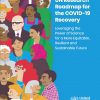
Global Economic Recovery Remains Precarious in post-COVID-19 Years
The United Nations has warned that the devastating socio-economic impact of the COVID-19 pandemic will be felt for years to come unless smart investments in economic, societal and climate resilience ensure a robust and sustainable recovery of the global economy.
International Partnership Helps Mongolia Counter Climate Change
Climate warming is believed to have taken place at some of the fastest rates in the world in Mongolia, raising the country's average temperatures by 2.24°C between 1940 and 2015, with the last decade being the warmest of the past 76 years.
Poor Lives Matter, but Less
Current development fads fetishize data, ostensibly for ‘evidence-based policy-making’: if not measured, it will not matter. So, forget about getting financial resources for your work, programmes and projects, no matter how beneficial, significant or desperately needed.
Feminist Movements Continue to Battle Culture of Impunity in Egypt
Ten years ago on this day, January 25, one of the biggest revolutions in the world took place in Egypt’s Tahrir Square, as protestors poured into the streets chanting slogans of “Bread, Freedom and Social Justice”, demanding one of the region's longest-serving and autocratic President Hosni Mubarak to step down. Three weeks later, on February 11th, Mubarak stepped down as president, leaving the Egyptian military in control of the country.
Volunteerism in the Decade of Action
After the pioneer Global Technical Meeting on Volunteerism last July, a recently-held on-line follow up helped gathering new insights from experts and practitioners from the world on how to move forward with positioning volunteering at the center of development agenda.
Q&A: Why Survivors Should be at the Centre of Discussions on Genocide and Gender Violence
Women and young girls are disproportionately affected by conflict and genocide, and that is why they should be a central part of conversations on the issue, according to Jacqueline Murekatete, a Rwandan survivor of genocide and founder and President of the Genocide Survivors Foundation (GSF). “Survivors need to be invited to the table to share their testimonies,” Murekatete told IPS. “When people hear personal stories they’re more likely to want to get involved. It makes a huge difference to have their testimony.”
Q&A: Why we Must Invest in Educating Children in Crisis-Hit Burkina Faso
Education Cannot Wait (ECW) - the first global fund dedicated to education in emergencies and protracted crises – was on the ground in Burkina Faso last week with its Director, Yasmine Sherif, to launch a new multi-year programme that aims to provide an education to over 800,000 children and adolescents in crisis-affected areas.
Personal Testimonies, Pledges Mark the Start of the ‘Fair Share to End Child Labour’ Campaign
Selimatha Salifu of Ghana is a former child labourer who has vowed to do her part to bring attention to the plight of the world’s over 150 million child labourers. Raised in a fishing community, she recalls her days buying fish to sell, working from daybreak till nightfall to contribute to her family. She credits the General Agriculture Workers Union for rescuing her and ensuring she enrolled in school.
Biden’s Arms Control Ambitions are Welcome—but Delivering Them will not be Easy
A deadly pandemic to control. An urgent nationwide vaccination programme to roll out. An economic crisis to navigate. Political divisions and distrust deep enough to spark mob violence and terrorism.
With a War-Mongering President Gone, is the World Safe from Nuclear Brinkmanship?
A war-mongering president, with his finger on the nuclear trigger--- and who threatened to attack North Korea and Iran-- was unceremoniously drummed out of office on January 20.
Will Biden Administration Respond to the Treaty on Prohibition of Nuclear Weapons, End Threat of a Nuclear War & Bring Nuclear-armed States Together to Achieve Global Nuclear Disarmament?
Many of us around the world breathed a sigh of relief yesterday (Jan 20) as the ‘nuclear football’ (the briefcase with nuclear weapons codes and communication links for the President to launch a nuclear attack) was passed from Mr Trump to President Biden, as the new president was inaugurated.
Trump Is Gone, Trumpism Lives On
Impeachment or no impeachment, Trump is out of the White House. Trump goes with an approval rating of 34%, far behind his predecessor Barack Obama’s 60%. A majority, 54%, said Trump ought to be removed from office before January 20, according to a new CNN poll, for his role in the January 6 events, when Trump incited his supporters to storm the US Capitol.
Measuring the Impact of COVID-19 on the World’s Forests
The COVID-19 Pandemic has affected every sector of society and a global assessment by the United Nations Forum on Forests (UNFF) confirms that its shocks have extended to forests on every region on earth.
« Previous Page — Next Page »





The Week with IPS

NEXT STOP - SDGs
Tracking global progress towards a sustainable world
Tracking global progress towards a sustainable world
