Languages
Wednesday, November 11, 2026



News and Views from the Global South
Gender

NEPAL: Sex Workers Demand a Place in the Constitution
Every time Bijaya Dhakal goes out to meet people and tell them what she does for a living, the simple task becomes an act of courage requiring nerves of steel. Dhakal is the founder of Nepal’s first and only organisation of women sex workers now trying to make the state and society listen to a community long hushed by poverty and discrimination.CUBA: Women Face Challenges in Growing Self-Employment Sector
"Coffee! Get your plastic bags here! Cream cheese, the very best...!" The voices blend in with the cries of other vendors and the noise typical of Cuban markets. Elisa, 64, was one of the hawkers until she was fined for selling her products without a permit. "I paid dearly for it," she says.
Q&A: “UN Women Is Creating a New Energy”
While in New York to celebrate the launch of UN Women's flagship biennium publication, "Progress of the World's Women: In Pursuit of Justice", Botswana's Unity Dow sat down with IPS to discuss the United Nations' newest entity, its landmark report, and the road ahead for women.MIDEAST: Never a Good Day for This Population
In dire need of money to assist her family back home, 27-year-old Makeda from Ethiopia was forced to return to the Middle East as a domestic worker.SOUTH SUDAN: Women Hope Independence Means Less Maternal Deaths
Mother of eight, Jessicah Foni, 36, hopes that independence will mean a hospital will soon be built in her village. Foni, who has travelled from a remote village in South Sudan to the state’s capital to celebrate independence, lost two babies at birth because of the lack of medical facilities in her area.
SUDAN: Close to War As the South Prepares to Celebrate Independence
Sudan is closest to civil war since the signing of the Comprehensive Peace Agreement (CPA) in 2005.
UGANDA: Maternal Deaths Against Constitutional Rights
When Valente Inziku’s wife, Jennifer Anguko, went into labour they had decided she would go to the local referral hospital just to ensure a safe delivery.
SOUTH SUDAN: Q&A: Spirits High in South Sudan Despite Unresolved Issues
As South Sudan prepares to cede from the North, it faces tremendous challenges towards building a nation and a sense of nationhood.
World Population to Hit Seven Billion by October
The United Nations commemorates World Population Day next week against the backdrop of an upcoming landmark event: global population hitting the seven billion mark by late October this year.SOUTH SUDAN: Equitable Oil Deal Needed For Peace
The sharing of oil between North and South Sudan needs to be urgently addressed otherwise conflict between the two regions will escalate and could possibly lead to civil war, according to government officials and rights organisations.
Sisters in the Struggle for Justice
As UN Women, the new United Nations agency dedicated to enhancing gender equality, releases its first major report following the organisation's launch early this year, its most significant finding may be the shared challenges faced by women across the globe.
BANGLADESH: Women Raise Own Funds for Microfinance
Amidst despair and poverty, women in some remote villages of Bangladesh are raising money and lending it to each other through a unique microfinance programme launched by a local non-government organisation.Minority Women Fight Back Against Mistreatment
Women in minority and indigenous communities are especially vulnerable to wide-ranging forms of violence, abuse and discrimination, according to a new report released Wednesday by Minority Rights Group International (MRG), a human rights group that works on behalf of minorities and indigenous peoples.CENTRAL AMERICA: Progress for Women’s Rights More Impressive on Paper
After protracted battles, women in Central America and southern Mexico have made headway in winning respect for their rights over the past decade, but the progress has been more formal than real, say women academics and activists.
SRI LANKA: Conflict Gives Way to Hardship
Like many Sri Lankans, Kandiah Selvadurai measures the improvement in his life by the amount of money he spends on essentials. When basic goods were scarce more than two years ago, he paid dearly for them. These days, he buys them for a tiny fraction of what they used to cost.MIDEAST: Women on a Political Backslide
Following five months of bitter political wrangling, Lebanon’s Prime Minister Najib Mikati finally announced a new government in mid-June. But while many Lebanese feel relieved over the long overdue appointments, gender equality campaigners despair that there is not a single female among 30 ministers appointed to the new Cabinet. It has further ruffled activist feathers that this glaring omission has failed to elicit the condemnation they are demanding.THAILAND: Rural Folk Pave Way for First Female PM’s Landmark Win
Across villages, towns, and cities in northeast Thailand, a mood of political empowerment is bursting to the surface, with people gathering in groups since Sunday evening to celebrate political history. After all, they helped put Yingluck Shinawatra on the road to becoming the country’s first female prime minister.BAHRAIN: Rifts Weaken Women’s Protest
Women activists in Bahrain have acknowledged their poor showing in the recent unrest as well as in efforts to fight sectarianism, and blamed it on rifts within their organisations.
Women Keen to Ease Greenhouse Effect on Their Ability to Provide
A successful entrepreneurial programme in the north of Namibia that infuses farming practices with gender-responsive environmentalism may serve as a model for other countries on the African continent.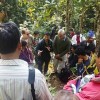
NEPAL: Women Grow Carbon Money on Trees
When Bina Tamang was told that she could earn money by not felling trees in the tiny forest that serves as the source of fuel and fodder for 65 families in her area, the 27-year-old was incredulous.FILM: So Much More Than Just ‘Trafficked Women’
Mimi Chakarova had one simple objective in filming 'The Price of Sex,' her award-winning documentary about sex trafficking in Eastern Europe: "I'm trying to reach millions of people," she told IPS. "It's kind of a big goal to have."« Previous Page — Next Page »





Women make up half the world's population, but don't nearly share half of the world's wealth, well-being and opportunity. Two-thirds of the world poor are women, disproportionally exposing women to precarious living conditions, disease and unmitigated natural disasters. The media, meanwhile, remains a male-dominated sector in much of the world, contributing to women's voices lacking a crucial amplifier to put their concerns on political agendas and unleash the development potential of their ingenuity. Rather than then stereotypical victims of local and global forces, women are also organizer, innovators, conservators and community builders. These are some of their stories.

The Week with IPS

NEXT STOP - SDGs
Tracking global progress towards a sustainable world
Tracking global progress towards a sustainable world
