Languages
Friday, November 13, 2026



News and Views from the Global South
Gender
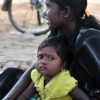
SRI LANKA: War Over, But Women Wage Battle For Survival
It was a typically hot, humid day in this eastern coastal village. The sun burned down from a cloudless sky, roasting the skin as an angry sea breeze swatted the faces of the few foolish enough to venture out onto the deserted main road that runs through town.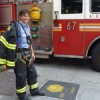
US: Women Fight More Than Fire in the FDNY
Leaning back in a squeaking plastic chair, one leg crossed over the other, the lieutenant is at once relaxed and commanding. She smiles often, absent- mindedly running her hands through short brown hair before speaking. Her words are thoughtful, her manner candid.ZIMBABWE: Pregnant Teens Shun HIV Treatment for Fear of Stigmatisation
At a local maternity clinic in one of Bulawayo’s high density suburbs, midwives are at pains to explain to a pregnant 15-year-old girl why she must be tested for HIV before she gives birth.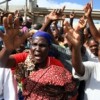
ZAMBIA: Calls for Political Parties to Field 50 Percent Female Candidates
With women having achieved little in terms of representation in decision-making positions in Zambia, a national women’s lobby group is hoping to change this in the 2011 general elections.
Women Prepare to Set Sail Past Israel
The 'Maryam', an all-female Lebanese aid ship, currently docked in the northern Lebanese port of Tripoli, is getting ready to set sail for Gaza in the next few days. The ship, which aims to break Israel's siege on the Palestinian territory, will carry about 50 aid workers, including some U.S. nuns keen to deliver aid to the long-suffering women and children of Gaza.RIGHTS-BAHRAIN: Women Don’t Need to Accept Polygamy – Activists
In her 30s, Muza has been married for years but has managed to remain financially independent. In fact, she was even able to help build the home she has with her husband, using the money she earned as a teacher.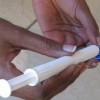
AFRICA: Antiretroviral Gel Lowers HIV Infection and Offers Hope to Women
When women from the predominantly rural Vulindela district in KwaZulu-Natal first began participating in an HIV-prevention trial many were unable to negotiate the use of condoms or even discuss safe sex with their partners. But as they used the discreet antiretroviral (ARV) microbicide gel, for the first time women - who bear the brunt of the HIV epidemic in Africa - were in control of an HIV-prevention method.SWAZILAND: HIV – Long Distances Place Expectant Mothers at Risk
Affectionately known as Gogo Zondo by the community of Ndvwabangeni in northern Swaziland, Margaret Zondo is a traditional health practitioner who helps treat the sick and delivers babies.Women Vital in Global Fight Against AIDS
Empowering women could more effectively help in curbing the spread of HIV, Bill Gates, Microsoft chairman and philanthropist said at the AIDS conference here Monday.CAMBODIA: Informal Sex Trade Threatens to Undercut Gains in HIV
On a muggy evening, a handful of men in suits were quickly getting drunk in a beer garden here in the Cambodian capital. One man rested his hand on the thigh of a slender woman sitting uncomfortably in a short skirt.
BRAZIL: Football Paves the Way to Masculinity Without Violence
It’s Friday night, and in a "favela" (shanty town) in this Brazilian city, a group of men relax with a beer after a hard week, while a song can be heard above the rowdy chatter.Nigeria Suffers Acute Lead-Poisoning Outbreak
The Nigerian government is trying to cope with an outbreak of lead poisoning which has killed over 200 people in Zamfara State since early July.HEALTH: To Fight AIDS, Fight Gender Inequality
Under the banner that gender inequality is one of the main drivers of the spread of AIDS, women from around the world are uniting to demand a stop to the epidemic among all females -- whether adults or girls.ZIMBABWE: Veggies Dried and Tasted
A resurgence of interest in dried traditional vegetables has opened up a market opportunity for women entrepreneurs in Zimbabwe’s second city, Bulawayo.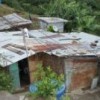
Venezuela Starts Its Own “Zero Hunger” Programme
Standing between two wooden planks that shore up the front of her small makeshift house, 40-year-old Maribel Huerta talks about her family.
AFRICA: “Everything but Arms Deal Doesn’t Benefit Enough People”
The Everything but Arms trade initiative, which provides preferential treatment to poor countries, benefits only a limited range of people in the target populations. It should also be expanded to more countries, civil society organisations say.
INDIAN OCEAN ISLANDS: Women Join Forces for Political Equality
"Instead of moaning all the time, why don’t you create your own (political) party?" some men asked Brigitte Rabemanantsoa Rasamoelina, a female politician from Madagascar. She accepted the challenge and in February formed Ampela Mano Politika, a political party which started with only 22 female members and now has over 5,000 female members ... and 10 men.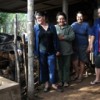
PARAGUAY: Women Manage Dairy for Self-Sufficiency
A year ago, Ramona Pereira was stuck with humdrum domestic drudgery in a rural village in Paraguay. Now she is the leader of a committee of women dairy producers in her community, and at 38 she feels like a new woman.
DEVELOPMENT-ZIMBABWE: “Competing With the Dogs for Bones”
"People used to mock me, saying that I am competing with dogs for bones, but these taunts do not deter me," says Sibongile Mararike with no sign of rancour.
LIBERIA: Men in Testing New Role as Midwives
Henry Teh gently slides down a blue hospital sheet to expose the bare belly of a pregnant woman. As he pokes around to feel the position of the foetus, the midwife-in-training knows he is breaking tradition and changing the face of obstetric care in Liberia.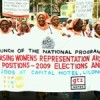
MALAWI: Women Candidates Desperate to Finance Freebies for Voters
Mable Malinda wants to contest the local government elections but the independent candidate who is using her life savings to fund her campaign only has 500 dollars left in her bank account. She has already spent three times as much buying handouts for voters – an unofficial requirement when contesting elections in Malawi.« Previous Page — Next Page »


Women make up half the world's population, but don't nearly share half of the world's wealth, well-being and opportunity. Two-thirds of the world poor are women, disproportionally exposing women to precarious living conditions, disease and unmitigated natural disasters. The media, meanwhile, remains a male-dominated sector in much of the world, contributing to women's voices lacking a crucial amplifier to put their concerns on political agendas and unleash the development potential of their ingenuity. Rather than then stereotypical victims of local and global forces, women are also organizer, innovators, conservators and community builders. These are some of their stories.

The Week with IPS

NEXT STOP - SDGs
Tracking global progress towards a sustainable world
Tracking global progress towards a sustainable world
