Languages
Friday, November 27, 2026



News and Views from the Global South
Global Governance

JAPAN: Civil Society Gaining Ground Following Quake
Civil society organisations in Japan have traditionally been on the sidelines in influencing mainstream policy, but the massive Tohoku earthquake and tsunami of Mar. 11 is becoming a catalyst for important change.LIBYA: Obama Resists Allied Pressure for Escalation
Even as the conflict in Libya appears increasingly stalemated, the administration of President Barack Obama seems determined to resist growing allied pressure to commit more U.S. military resources to the fight.India Resists Ban on Deadly Pesticide
Will India, the world’s biggest manufacturer of the pesticide endosulfan, and also the biggest victim of the toxic pesticide, persist with opposing its ban globally?OP-ED: A Developing Health Crisis Across the Gulf Coast
Days after the BP oil disaster began, on Apr. 20, 2010, BP and the U.S. administration pledged that Gulf Coast communities would be made whole. One year later that promise remains unfulfilled: across the Gulf there is a developing health crisis as a result of the oil spill.TRADE-CENTRAL AMERICA: Global Wave Drowns Small Businesses
"If we could export our products, it would open up a lot of possibilities for us, but we don't have any direct support from the government, or training or credit facilities," said Efraín Patzán, a small-scale furniture maker in the central Guatemalan town of San Juan Sacatepéquez.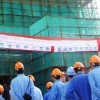
China Puts Its Mark on Malawi
Driving through Malawi’s capital, Lilongwe, it is difficult to miss the imposing building under construction in the city centre. It's the country’s first five-star hotel, 90 million dollars worth of well-appointed rooms, a state-of-the-art conference centre and 14 opulent presidential suites.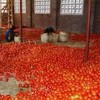
EAST AFRICA: Women Breaking Through Trade Barriers
For 12 years now, the women around Tsangano in Malawi’s southern district of Ntcheu have put together their tomato harvest, selling some 20 tons at the outdoor markets that abound in Lilongwe, the capital. But they have very little to show for their hard work.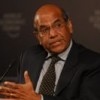
Q&A: ‘Common Concern, Not Common Action’
The summit of the BRICS (Brazil, Russia, India, China and South Africa) countries showed up both the strengths and the limitations of the caucus of emerging economies, says former Indian foreign secretary Shyam Saran in an interview to IPS.A Fair Wind for Clean Energy in Central America
Soaring international prices for oil and gas are driving the expansion of renewable energies in Central America, a region that has plenty of untapped potential for producing hydroelectricity, wind power and geothermal energy.Colonial-Style Land Grabbing Back on the Table
The highly-contested Principles on Responsible Agricultural Investment (RAI), a set of priorities that peasants’ collectives and food rights groups have been battling for years, are back on the table this week, as the annual Conference on Land and Poverty opened at World Bank headquarters here Monday.
Impacts of BP Oil Spill Remain Hidden in Mexican Waters
One year after the BP oil spill in the Gulf of Mexico, the worst accidental offshore oil spill in history, the search for damages in Mexican territory remains inconclusive, while scientists continue gathering and testing samples.Thousands Attend Syria Protesters’ Funerals
Tens of thousands of Syrians have attended the funerals for protesters killed in the central city of Homs, chanting slogans demanding the overthrow of Bashar al-Assad, the country’s president.DEVELOPMENT: Libyan Investments in Caribbean Under Threat
Although located over 9,500 kilometres from the North African country of Libya, the turmoil there has not left the leaders of some small Caribbean nations unscathed.
Developing Nations Protest Move to Slash U.N. Budget
The Group of 77 (G77), the largest single coalition of developing countries, has issued a strong letter of protest against a proposal to cut some 155 million dollars from the U.N.'s 2012-2013 biennium budget beginning next January.MEXICO: Recurring Risks from Radioactive Materials
Mexico needs to take urgent steps to tighten oversight of the storage, handling and disposal of radioactive materials that can threaten the lives and health of its population, experts warn.MALAYSIA: Radiation Fears Fuel Protest
Fears of radioactive poisoning have fuelled a protest against an Australian mining company building the world’s largest rare earth processing plant outside China.Financiers Lock Horns over Macro Policies While Millions Go Hungry
As weeks of what the International Monetary Fund's managing director Dominique Strauss-Kahn called "painful" negotiations over a host of macroeconomic policies drew to a close here Saturday, confusion over coherent strategies for sustainable economic recovery hangs thick in the air.BRICS to Show Its Weight at WTO
Despite political differences among member countries, BRICS has set its sights on global trade talks to assert its weight. Its declared aim: to secure economic benefits for developing nations.
U.S.: BP Handling of Claims Slammed by Gulf Residents
Attorney Kenneth Feinberg, paid by BP to administer the firm's 20-billion-dollar compensation fund, has become the focal point of anger for Gulf residents who are angry, frustrated and desperate for help following last year's massive oil disaster.Emerging Markets Clash with Anachronistic Institutions
The first weeks of April have witnessed a maelstrom of multilateralism – from the chambers of the annual Spring Meetings of the World Bank and the International Monetary Fund (IMF) here to the round tables of the BRICS summit in the resort island of the Hainan province in China – leaving in its wake a tome of unanswered questions regarding the contours and configurations of the new world order.BRAZIL: From Development Aid Recipient to Donor
Although Brazil's international development funds are still small compared to those of the industrialised world, the South American giant's foreign aid has grown considerably in the last eight years, and the country has gone from beneficiary of development assistance to donor.« Previous Page — Next Page »


The Week with IPS

NEXT STOP - SDGs
Tracking global progress towards a sustainable world
