Languages
Saturday, November 28, 2026



News and Views from the Global South
Global Governance
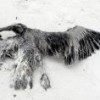
Ecosystem in Peril after Gulf Oil Spill
With engineers giving a best-case scenario of "weeks" before the catastrophic oil leak in the Gulf of Mexico is sealed, some scientists are warning that the region's ecosystem could face major long-term damage.
COLOMBIA: “Death Threats Have Become Routine,” Says Jesuit Priest
The death threats against Catholic priest Javier Giraldo painted on walls in the Colombian capital may have come from far-right paramilitaries, the military, drug trafficking gangs or groups with interests in African oil palm plantations.IRAN: Rights Group Condemns Secret Executions
Iran's nuclear ambitions and the bloody disturbances following its elections last year have so dominated media reporting on the country that many equally critical issues have been virtually forgotten.BIODIVERSITY: Oil Spill Will Devastate the North Sea Warn Experts
If an oil spill similar to that in the Gulf of Mexico were to happen in the North Sea, it would devastate the Wattenmeer, one of the most fragile and important biodiversity hotspots in northern Europe.
WORLD: North Should Pay South Reparations for Climate Change
The North should pay reparations to the South for the effects of climate change.Iraqi Christians Cling to Their Faith in Jordanian Exile
As the 2003 United States-led invasion of Iraq began, the country’s Christians started streaming across the border into neighbouring Jordan. Today most of them continue to live here in abject poverty with no hope of ever returning to the land of their ancestors.Treaty Aimed at Banning Nukes Remains Grounded
The world's anti-war activists, including parliamentarians, civil society groups and diplomats, have succeeded in creating international treaties to ban a wide array of deadly weapons: anti-personnel landmines, blinding laser weapons, cluster munitions, dum-dum bullets and chemical and biological weapons.SPAIN: Baltasar Garzon’s Trial Threatens “Universal Justice”
The trial of Spain's "superjudge" Baltasar Garzón is aimed at squelching the principle of universal justice by suspending its main advocate, Dolores Delgado, a prosecutor at the Audiencia Nacional, Spain's highest criminal court, told IPS.UNESCO Catches Heat Over Prize Named for “Dictator”
Human rights groups are expressing outrage over a decision to proceed with the UNESCO-Obiang Nguema Mbasogo International Prize for Research in the Life Sciences, named after and funded by the controversial president of oil-rich Equatorial Guinea.U.S. Nudged Toward Closer Cooperation with ICC
The upcoming review conference of the International Criminal Court (ICC) has restarted the debate here in Washington about how the U.S. should engage with the ICC despite ongoing concerns about the prosecutorial authority and jurisdiction afforded to the court.World Bank Boosts Commitment to Lower Maternal Mortality
The World Bank intends to ramp up spending on family-planning and related initiatives to reduce maternal mortality, improve reproductive health, and reduce fertility rates in nearly 60 developing countries, particularly in sub-Saharan Africa, according to a new five-year plan released by the Bank here this week.U.S. Urged to Probe “Second Prison” at Bagram
Pressure is mounting on the U.S. government to investigate reports that inmates from the notorious prison at Bagram Air Base in Afghanistan have been moved to a second separate facility - known as the Tor Jail, which translates as "black jail" - where they say they were held in isolation in cold cells with a light on day and night and deprived of sleep by U.S. military personnel.Small Islands Sit Tight and Vow to Fight Climate Change
If nothing is done to slow the pace of climate change, many small island developing states (SIDS) will be at risk of being wiped out, both economically and literally.
ICELAND: Int’l Arrest Warrant Against Top Bank Official
Vigorously pursuing those allegedly responsible for Iceland’s 2008 financial crisis, investigators have got issued an international arrest warrant against Sigurdur Einarsson, chairman of the board of governors of the failed Kaupthing Bank.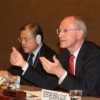
WORLD: Markets Can’t Self-Regulate; State Should Step In – UNCTAD
The Washington Consensus is dead and the state must play a new role in development. The triple crises – economy, food and climate – show the need for a new developmental model as export-led growth and financial speculation in agricultural markets have proven to be disastrous.MALAYSIA: Gov’t Urged to Explore Alternative Energy Sources
Instead of going nuclear, the Malaysian government should be harnessing alternative energy resources, which are adequate in supply, says the country’s anti-nuclear lobby.Talk of a Nuclear Deal Gains Steam in Iran
President Mahmoud Ahmadinejad's return to Tehran after attending the Nuclear Non-Proliferation Treaty (NPT) review meeting at U.N. headquarters has been received with the usual bombast by the conservative and hard-line media in Iran, which declared him victorious and an indispensable global leader.ECUADOR: New Deadline for Renegotiating Oil Contracts
The government of Ecuador hopes to sign new services contracts with foreign oil firms operating in the country, to replace the 34 contracts currently in effect, by the end of the year.Success of “The Pill” Overshadowed by Family Planning Gaps
The birth control pill, currently used by an estimated 100 million women worldwide, commemorated its 50th anniversary last week - but remains controversial in some quarters.POLITICS: Sri Lanka’s Turnaround Could Signal New Beginning
For a country that has had quite a few run-ins with global giants in the diplomatic arena, the last fortnight has witnessed somewhat of a turnaround for Sri Lanka.ARGENTINA: Adding More Coal to the Fire
Bucking recommendations to build up renewable energy sources, Argentina is forging ahead with a plan that will increase its dependence on coal, regarded as the most polluting fossil fuel.« Previous Page — Next Page »


The Week with IPS

NEXT STOP - SDGs
Tracking global progress towards a sustainable world
