Languages
Monday, October 12, 2026



News and Views from the Global South
Global Governance

Volunteerism: Path to Achieve UN’s Agenda 2030
The International Volunteer Day, a worldwide event commemorated every year on the 5th of December, comes at the end of a long line of special commemorations, each of them relevant and paramount to achieve the UN’s Agenda 2030.
Rich Nations Doubly Responsible for Greenhouse Gas Emissions
Natural flows do not respect national boundaries. The atmosphere and oceans cross international borders with little difficulty, as greenhouse gases (GHGs) and other fluids, including pollutants, easily traverse frontiers.
The Decline and Fall of Democracy Worldwide
A head of state who presided over an authoritarian regime in Southeast Asia, was once asked about rigged elections in his country. “I promised I will give you the right to vote” he said, “but I didn’t say anything about counting those votes.”
IMF Led Privatization, Land and Resource Grab in Sri Lanka
On September 1, 2022, debt-trapped Sri Lanka reached a preliminary agreement with the International Monetary Fund (IMF) for a 48-month Extended Fund Facility of $2.9 billion, which hardly covers the country’s outstanding debt, nor its immediate survival needs.
Excessive & Unfair Criticism of Human Rights Violations in Qatar
Peter Zimmermann owns a bar located in the German city of Cologne, which for thirty years has been a favorite for those who want to watch a soccer game.
Illegal Immigration: A Mounting Global Crisis
Illegal immigration has evolved into a mounting crisis for a growing number of countries worldwide and governments appear to be at a loss on how to deal with the crisis.
Three Ways to End Gender-based Violence
How are the multiple shocks and crises the world is facing changing how we respond to gender-based violence? Almost three years after the COVID-19 pandemic triggered high levels of violence against women and girls, the recent Sexual Violence Research Initiative Forum 2022 (SVRI) shed some light on the best ways forward.
UN Assessed Contributions Needed to Generate Core Funding for Climate Loss & Damage
For decades, there have been non-conclusive deliberations regarding how the international community could support poor and vulnerable countries in their efforts to cope with and recover from the havoc wreaked on their territory by the ill-effects of global warming such as severe droughts, floods, storms, or rising sea levels.
Digital Human Rights Need to be Enshrined in Law
The upcoming consultation on the Global Digital Compact presents a unique opportunity to ensure that human rights in the digital world are protected in international common standards.
UN Deploys Unarmed Weapon in Humanitarian & Peacekeeping Operations
A sign outside the United Nations reads, perhaps half-seriously, that it is a “No Drone Zone”—and “launching, landing or operating Unmanned or Remote-Controlled aircraft in this area is prohibited”. The “warning” comes even as Unmanned Aerial Vehicles (UAVs) – or drones – are some of the new weapons of war deployed mostly by the US, and more recently, by Iran, Ukraine and Russia in ongoing military conflicts.
Countries Hiding Responses Sent to UN Experts Over Allegations of Human Rights Abuses
Human rights defenders are alarmed at what appears to be a new process permitting countries to keep confidential their responses to UN experts about allegations of human rights abuses.
Asia: the Power of Connections and their Consequences
In our recent book, “The Connections World: The Future of Asia”, published by Cambridge University Press in October 2022, we argue that mutually beneficial links between dynastic business houses and political elites have been important drivers behind Asia’s extraordinary renaissance. Yet, these close ties now threaten future economic growth.
COP27: Landmark Win on Loss and Damage Fund
COP 27 delivered on what was the ‘litmus test’ for its success – consensus on the establishment of a fund on loss and damage. What seemed impossible was made possible, largely due to the unity of the G77 and China and the role of the Egyptian Presidency. Also important were efforts by civil society groups who put pressure on the United States, the main blocker to having the fund.
Loss and Damage Fund Saves COP27 from the Abyss
They were on the brink of shipwreck and did not leave happy, but did feel satisfied that they got the best they could. The countries of the global South achieved something decisive at COP27: the creation of a special fund to address the damage and loss caused by climate change in the most vulnerable nations.
Will the Global Energy Crisis Accelerate the Energy Transition? The Big Question at COP27
COP27 is unlikely to produce new commitments to reduce emissions of climate-changing gases, but the global energy crisis will eventually prompt more action by countries to move away from fossil fuels. That is the positive feeling that many observers are taking away from the annual climate summit being held in Egypt.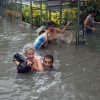
COP27: Show Me the Money–Supported by Policy
Climate change is an existential threat to humans and our ability to thrive on a healthy planet. But when it comes to rising temperatures, the inability of humankind to slow emissions and limit warming to 1.5 degrees Celsius isn’t because we lack knowledge or need new technologies.
Indigenous Peoples Have Their Own Agenda at COP27, Demand Direct Financing
Indigenous peoples are no longer content just to attend as observers and to be seen as victims of the impacts of the current development model, at the 27th Conference of the Parties (COP27) on Climate Change. That is why they came to the summit in Egypt with an agenda of their own, including the demand that their communities directly receive funding for climate action.
Market Lords, Much More than a War, Behind World’s Food Crisis
While grain exports continue to regularly flow to world's markets since the July 2022 Turkey-brokered agreement between Russia and Ukraine to resume cereals and fertilisers shipments from both countries, food prices are still skyrocketing everywhere. How come?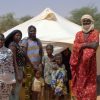
President Biden is Hosting a Summit of African Leaders – Governance in the Sahel Must Be a Priority
The upcoming Africa Leaders’ Summit- slated to take place in Washington, DC in December- is well-timed. The Biden administration has made a welcome and significant push over the past two years to support democracy, anti-corruption and peace-building around the world- and in Africa in particular.
Making the UN Charter a Reality: Towards a New Approach to Development Cooperation?
We are living in a world where both our bilateral and multilateral achievements, consensuses on human rights and social justice, and our resolve to public good are being tested like never before.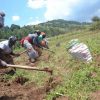
Climate Finance for Locally-Led Climate Solutions Needs a New Focus
Imagine a world where the people hit hardest by climate crisis have a say in how to stop it. Imagine that youth, Indigenous Peoples, women, and others most affected by global warming have the resources to implement their own climate solutions. Solutions that are highly effective because they meet local needs, suit the local context, and create sustainable economic opportunities for local people. This world would be one where people have a much better chance of surviving, and even thriving, despite the massive upheavals of the climate crisis.« Previous Page — Next Page »





The Week with IPS

NEXT STOP - SDGs
Tracking global progress towards a sustainable world
Tracking global progress towards a sustainable world
