Languages
Monday, October 19, 2026



News and Views from the Global South
Global Governance

How to Assess the Willingness of US to Suspend Patent Protection on Vaccines?
The news of the Biden Administration's willingness to lift intellectual property rights protections in the case of the Covid-19 pandemic has sent the world into turmoil, even though in recent days this willingness had become increasingly airy.
CORRECTED VERSION: Struggle for the Future of Food
Producers and consumers seem helpless as food all over the world comes under fast growing corporate control. Such changes have also been worsening environmental collapse, social dislocation and the human condition.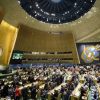
Is the Campaign for a Female UN Chief a Good Try in a Lost Cause?
As negotiations for the upcoming election—or re-election-- of a UN Secretary-General gather momentum, one undeniable fact looms heavily over the final decision: the choice of a UN chief is the intellectual birthright of the five big permanent members (P5) of the Security Council, namely, the US, UK, France, China and Russia.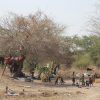
20 Million More People Face Food Crises, As Acute Hunger Rates Rise to a 5-Year High
The COVID-19 pandemic, protracted conflicts and climate change have created an untenable situation for the most vulnerable, with 155 million people across 55 territories suffering from severe food insecurity, sending acute hunger figures to a 5-year high.
How West African Leaders Can Tackle Youth and Gender Inequities
Recently, both Republics of Benin and Chad held their 2021 national elections. These countries are among thirteen countries on the continent billed to elect new political leaders in 2021 alone. This is a good opportunity to improve conditions on the continent. Indeed, the COVID-19 pandemic has magnified other issues on the continent like youth unemployment that better leadership could help improve.
Coping with the USA-China Conflict – Strategic Procrastination
For several years, a fast growing and assertive China has been challenging the USA’s global dominance. China’s GDP, taking into account differences in purchasing power, is now greater than that of the USA; its military spending has been expanding rapidly and exceeds by wide margins that of other countries except the USA with which it is catching up; it is the manufacturing power house of the world; it is quickly moving up the technological ladder; and it is the key trading partner for an increasing number of countries. All this is creating tensions with the USA and its key allies.
Youth Voice and Action Critical to Reforming the World’s Food Systems
Global youth advocates have been told that they play a crucial role in ensuring that the world produces and consumes food with greater attention to nutrition, food security, equality and sustainability. As the United Nations prepares to host the inaugural Global Food Systems Summit in September, the organisation is hosting a series of dialogues to correct flaws in the way food is grown, processed, packaged and marketed, hoping to tackle growing world hunger, water scarcity and climate change.
Human Rights Watch: A Threshold Crossed
Human Rights Watch’s 27 April report, A Threshold Crossed: Israeli Authorities and the Crimes of Apartheid and Persecution, could also have been entitled Better Late Than Never.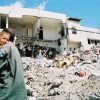
The Day the UN Buried its Report on Apartheid in Israel
When the UN’s Beirut-based Economic and Social Commission for Western Asia (ESCWA), released a landmark 2017 report on “apartheid” in Israel, the United Nations disassociated itself with the study and left it to die--- unceremoniously and unsung.
UN Banks on Water as the ‘Game Changer’ in Food Production and Consumption
As the United Nations prepares for its solutions-based Global Food Systems Summit in September, officials say resolving issues around water scarcity, pollution and wastage is crucial transforming food production and consumption.
Why Experts are Saying It’s a ‘Make or Break’ Moment for Forests
A new global report on forests says that while the COVID-19 pandemic is the latest threat to achieving ambitious forest protection goals, it has brought the importance of forests to global well-being into sharp focus, and that this recognition must now be met with collection action.
State of COVID-19 in Sri Lanka: Are Government Policies Effective in Controlling it?
The SARS-CoV-2 infection (COVID-19) affected the entire world; many died, millions got sick, and the misery continues. Second and third waves of SARS.Cov-2 infection are devastating most countries.
US-China Cold War Could Lead to a More Dangerous Nuclear Stand-off
Despite the negotiation of the Treaty on the Prohibition of Nuclear Weapons (TPNW), we are confronted by the increasing dangers of great power war, even nuclear war.
Youth Demand Action on Nature, Following IUCN’s First-Ever Global Youth Summit
Following almost two weeks of talks on issues such as climate change, innovation, marine conservation and social justice, thousands of young people from across the globe concluded the first-ever International Union for Conservation of Nature’s (IUCN) One Nature One Future Global Youth Summit with a list of demands for action on nature.
One Year Later; No Justice for Victims of 2020 Mali Protests & Coup
It has been about a year since anti-government demonstrations and a coup in Mali, which saw 18 people, including a 12-year-old boy being killed. But there has been no justice for the families of those injured and killed by defence and security forces during last year's May to August protests.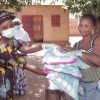
On World Malaria Day, We Must Step Up Efforts to Combat Malaria
Despite its 229 million cases and 409,000 deaths in 2019, malaria is an overlooked epidemic. The emergence of COVID-19 has thrown health systems into disarray and forced countries to shift their focus from malaria to the pandemic response, threatening to reverse 20 years of malaria gains.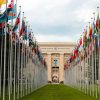
Towards a More Democratic & Inclusive UN this International Day of Multilateralism
One of the most recently established international UN days is the day of multilateralism and diplomacy for peace. First observed on 24 April 2019 to promote UN values and to reaffirm the faith of people in the purposes and principles of the UN Charter, the relevance and the irony of this day is obvious.
Rights Group Calls for Overhaul of Criminal Justice Systems’ Response to Sexual Violence Across South Asia
Gaps in laws, illegal out-of-court settlements, rape survivor intimidation and law enforcement failure to adequately respond to sexual violence reports are hindering women from seeking justice and maintaining impunity for perpetrators of rape in South Asia.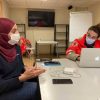
A Growing New Health Crisis Focusing on Emergency Rooms, Medical History & Vaccines
This year's World Health Day on 7 April was an opportunity for three entrepreneurs to share their insights and reflections on a rather complex year due to the health crisis and comment on their experiences developing impactful products and services in this sector.
World Moving Towards a “Devastating Marriage” of Artificial Intelligence & Weapons of War
Landmines are among the most insidious and cruel weapons of all, because they do not distinguish between armed soldiers, civilians or even children.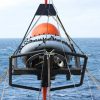
Studying Marine Life’s Brief Break from Human Noise
Travel and economic slowdowns due to the COVID-19 pandemic have combined to brake shipping, seafloor exploration, and many other human activities in the ocean, creating a unique moment to begin a time-series study of the impacts of sound on marine life.« Previous Page — Next Page »





The Week with IPS

NEXT STOP - SDGs
Tracking global progress towards a sustainable world
Tracking global progress towards a sustainable world
