
Friday, November 20, 2026



News and Views from the Global South
IPS UN: Inside the Glasshouse
Nuclear Test Moratorium Threatened by North Korean Impunity
When the United Nations commemorates the International Day Against Nuclear Tests later this week, the lingering question in the minds of most anti-nuclear activists is whether or not the existing moratorium on testing will continue to be honoured - or occasionally violated with impunity.Peace No Longer Rests on the Palestinian Issue
The end of the world’s most enduring conflict was always regarded as the essential linchpin of Mideast security. As direct talks between Israelis and Palestinians resume following a three-year hiatus, it seems too late for peace between them - if the declared goal of a peace deal within nine months is achieved - to end the violence unleashed by the ‘Arab springs’.
Major U.S. Debate Over Wisdom of Syria Attack
While some kind of U.S. military action against Syria in the coming days appears increasingly inevitable, the debate over the why and how of such an attack has grown white hot here.U.N.’s New Phone Network Vulnerable to Surveillance
The U.S. National Security Agency's (NSA) surveillance and telephone data collection programme has come under heavy fire for violating privacy laws, even as the U.N.'s new telephone network appears vulnerable to hackers and eavesdroppers.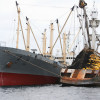
U.S. Major Holdout on Landmark Maritime Labour Convention
A landmark international agreement on labour standards for seafarers came into effect this week, marking the first comprehensive international effort aimed at ensuring safe and decent working conditions for the world’s 1.5 million-plus maritime labourers.
U.S., UK, France Seek Wider U.N. Support for Syria Probe
The United States, Britain and France, three veto-wielding permanent members of the Security Council, are making a strong push for an "urgent" U.N. investigation of the alleged use of chemical weapons Wednesday in Syria.
Musical Toilets for a Few While 2.5 Billion Lack Basics
Even as the United Nations laments the fact that more than 2.5 billion people in the developing world are still without adequate sanitation, both Japan and South Korea have gone upscale: offering automated toilets and piped-in classical music.
The World Trade Organisation after Eight Transformational Years
On Aug. 31, I will be stepping down after eight years as Director-General of the World Trade Organisation (WTO).
Poor and Disabled When Disaster Strikes
Upon first glance, the emergency checklist distributed in Haiti after the 2010 earthquake looks like any other. Organised into key categories like water, sanitation and hygiene, and psychosocial support, the information is typical of the kind circulated for emergency response.
Q&A: Colombia Still in the Icy Grip of Impunity
Death threats are hardly uncommon in Colombia. In fact, if you are a human rights activist, they are practically guaranteed.Norway Sets Example in Audit of Poor Countries’ Debts
Anti-poverty campaigners are celebrating the Norwegian government’s release of an external audit of all outstanding public debts it is owed by developing countries, the first time any country has undertaken such a process.
Violence Against Civilians Peaks in Central African Republic
As Michel Djotodia took his oath as the new president of the Central African Republic (CAR) on Aug. 18, Séléka, the coalition of rebel groups that he led and that helped him overthrow the government on Mar. 23, were still looting and killing civilians.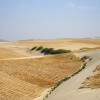
‘Deserts Can Save Forests’
It may take development of the deserts to save forests, say experts, who stress that desert ecology needs to be preserved and enhanced.
Montevideo Consensus Urges Countries to Change Abortion Laws
Representatives of 38 countries of Latin America and the Caribbean meeting this week in the Uruguayan capital urged governments in the region to consider modifying their laws on abortion, which are among the most restrictive in the world.
Building the Future Enterprise by Enterprise in Rural Peru
Women and young people are central players in dozens of small businesses and environmental protection plans that are changing the lives of poor rural families in the Andes highlands of southern Peru.
Mental Health an Overlooked Casualty of Disaster
Although Hurricane Sandy made her final sweep through the Northeastern United States nearly 10 months ago, for many people the stress caused by the storm lingers.
Q&A: “We Cannot Accept Crumbs When it Comes to Rights”
Latin America and the Caribbean cannot hope to have truly advanced, progressive policies in sexual and reproductive health as long as women do not have the right to decide to interrupt their pregnancy, says Mariela Castro.
Q&A: “We Are Building Sexual Citizenship”
Latin America and the Caribbean should play a central role in the construction of “sexual citizenship” - a concept that covers a series of population-related issues, rights and guarantees that this region helped build since the United Nations first emerged, says Brazilian expert Carmen Barroso.
When Disaster and Disability Converge
Like many people living in the path of Hurricane Sandy last fall, Lauren Scrivo needed more battery power. Despite a call offering help from the mayor of Fairfield, New Jersey, where Scrivo lives with her family, her concerns went far beyond extra water bottles and flashlights.
U.N. Chief Lambastes Egypt’s Army but Refuses to Affirm Coup
Secretary-General Ban Ki-moon, who has refused to describe the Egyptian army's ouster of a democratically-elected government last month as a "military coup", lambasted the country's security forces for Wednesday's massacre of civilians in the streets of Cairo.U.S. Needs More Forthcoming Approach to Iran: Report
With the inauguration of Iran’s new president, Hassan Rouhani, the United States should take a more flexible approach toward Tehran to increase the chances of a successful resolution of the latter’s nuclear programme, according to a new report by the Brussels-based International Crisis Group (ICG) released Tuesday.« Previous Page — Next Page »


It was dubbed "The Glass House" by U.S. ambassador James Wadsworth in 1966. Half a century later, the United Nations has gradually expanded its role as agent of peace and protector of the world's vulnerable populations, while simultaneously facing internal pressures to become more inclusive, increase transparency and maintain legitimacy in the post-Cold War political and economic order. Highlighting the local impacts of global policies on economic development, environment, health and human rights, IPS's coverage goes beyond the edicts of the Security Council to illuminate the power struggles, successes and shortcomings of the 193-member institution as it grapples with crises like climate change, armed conflict, poverty and HIV/AIDS.

The Week with IPS
