Languages
Wednesday, October 28, 2026



News and Views from the Global South
Armed Conflicts

Israel Continues to Attack Gaza Amid Ceasefire Negotiations
After 14 months of conflict between Israel and Palestine, talks of a ceasefire agreement have headed in a promising direction. The proposed agreement entails the release of hostages in Gaza, the withdrawal of Israeli troops from Palestinian land, and a strategy for displaced Gazans to safely return to their homes in the northern region of the enclave. Despite both Israeli and Palestinian officials expressing optimism over this agreement, hostilities from the Israeli Defense Forces (IDF) continue to endanger the lives and infrastructures of thousands of Gazans.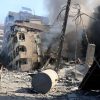
In Times of War: Tough Ethical Questions and Inner Turmoil
Sixty-four days of unrelenting war machine by Israel against Lebanon put my entire beliefs and ethos to a painful test: my sincerity in promoting social justice, human rights, integrity, patriotism, spirituality and, philosophically speaking, universal human values of love, peace and non-violence.
New Geopolitics Worse for Global South
The new geopolitics after the first Cold War undermines peace, sustainability, and human development. Hegemonic priorities continue to threaten humanity’s well-being and prospects for progress.
Camps of Death, Terror: Syrian Survivors Face Long Road To Recovery
Detained without trial for over three years for trial for allegedly treating "terrorists" (as opponents of former Syrian President Bashar al-Assad were deemed), Alaa al-Khalil, a 33-year-old nurse from the Syrian city of Hama, recounts the agony of her time in a prison cell she shared with at least 35 women.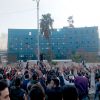
The Fall of The Assad Regime: The Rebels’ Prospect for Success or Failure
The fall of the Assad regime is a historic watershed event that will have significant regional and international ramifications. The question is, will the rebels fulfill their promise to be inclusive and lift the Syrian people out of their misery, and what can the US and Israel do to help shape the trajectory of the new regime?
Escalation of Violence in Sudan Raises Concern of Nationwide Collapse
On December 9, a wave of bombardments hit a market district in Sudan, killing at least 127 people. Over eight barrel bombs were launched on the North Darfur town Kabkabiya, marking the latest attacks on densely populated areas that occurred throughout the course of the Sudanese Civil War. Both the Rapid Support Forces (RSF) and the Sudanese Armed Forces (SAF) have received immense criticism from humanitarian organizations for committing abuses against civilians that constitute violations of international humanitarian law.
Once Scattered by Colonialism, Today United in Urgent Pursuit of Climate Justice
The Seychelles consider the ongoing public hearings at the International Court of Justice (ICJ) both timely and critical “for the people of the small island developing state in the middle of the Indian Ocean,” Flavien Joubert, Minister for Agriculture, Climate Change and Environment of the Seychelles, told the court today.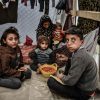
FAO Renews Its Commitment to Right to Food Guidelines
The Food and Agriculture Organization (FAO) launched its newest report on the Right to Food Guidelines on December 10, which focuses on that focused on the urgency of food security as well as the measures that will be taken by the organization to eradicate hunger and malnutrition in the coming decade.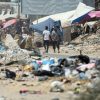
Israel-Gaza War: Deaths, Injuries and Destruction with No Plan for Peace
After the Hamas-led attack on Israel on 7 October 2023, Israel retaliated with a war in Gaza involving bombings, shootings and blockades but with no explicit plan for achieving peace with the Palestinians.
Syria: Between “Collective Failure” and “World War III”
Nobody saw it coming. After years of brutal war in Syria, many believed the battle lines had stabilized, leaving only sporadic skirmishes or even the potential for negotiations.
Bold Donor Action Urgently Needed to Give Ethiopia’s Crisis-Impacted Children a Lifeline
Ethiopia’s education system is buckling under the weight of complex, competing challenges. The aftermath of a deadly war in the north, ongoing violence, climate-induced disasters, and widespread forced displacements have converged to push as many as 9 million children out of school. With close to 18 percent of schools in the country destroyed or damaged and persisting intercommunal conflicts in various regions, there are fears that many might never find their way back to school.
Heightened Insecurity in Sudan Threatens Nationwide Collapse
As the Sudanese Civil War continues to ravage the people of Sudan, conditions for internally displaced persons grow more dire every day. The situation in Sudan is currently the biggest displacement crisis in the world. Famine, violence, and gender-based violence are rampant. Described as “an invisible crisis” by the United Nations (UN) new emergency relief chief, Tom Fletcher, many believe that the humanitarian response has been largely ineffective in tackling the urgent and growing scale of needs.
Israel-Lebanon Ceasefire Uncertain Amid Repeated Violations
On November 27, Israel, Lebanon, and a host of mediating states agreed upon a ceasefire agreement that would establish a permanent cessation of warfare between the two parties. As of December 3, there have been no reported instances of Hezbollah directing attacks toward Israel that resulted in any casualties. Despite this, there have been numerous reported violations committed by Israel, causing extensive harm to civilian lives and local infrastructure. Many parties have warned for the international community to hold Israel accountable for these violations.
What Does The Ceasefire in Lebanon Entail For Gaza?
On November 27, a ceasefire agreement was agreed upon by officials for Israel, Lebanon, and a host of other mediating parties, including the United States. Yet even with this step towards peace, conflict and suffering continue in Gaza, raising questions of when – or how – a similar outcome can be achieved.
Who are the Ultimate Winners in the World’s Ongoing Military Conflicts?
If and when the devastating military conflicts in Ukraine and Gaza come to an end, the ultimate winners will not be the Russians, the Americans or the Israelis but the world’s arms manufacturers—contemptuously described as “merchants of death”. And so will be the winners in a rash of conflicts and civil wars in Syria, Myanmar, Lebanon, Yemen, Sudan and Afghanistan.
Famine and Violence Raise Death Toll in Sudan
The humanitarian crisis in Sudan continues to deepen as a result of the ongoing Sudanese Civil War. Intensified conflict between the Sudanese Armed Forces (SAF) and the Rapid Support Forces (RSF) has led to widespread food insecurity, with many humanitarian organizations expressing concern that starvation is being used as a method of warfare. Additionally, heightened violence has caused considerable civilian casualties.
Sudanese Women & Human Rights Defenders Call for Solidarity to Stop the Bloodshed
On 15 April 2023, the outbreak of war between the Sudanese army and the Rapid Support Forces (RSF) drastically altered the face of Sudanese society. The fighting left thousands of dead, wounded, displaced people and refugees.
U.S.-Backed Israel-Hezbollah Ceasefire Comes Into Effect
A ceasefire between Israel and Hezbollah comes into effect early on Wednesday morning (November 27). It is hoped that this will mark an end to a 13-month-long period of hostilities between the two parties in Lebanon. News of the ceasefire came from United States President Joe Biden, who made a televised announcement on Tuesday afternoon that an agreement had been reached between the Israeli and Lebanese governments. Biden remarked that the ceasefire was expected to be a “permanent cessation of hostilities” from both sides of the conflict.
Blockages of Aid in Gaza Threatens Survival for 2.2 Million
Following the International Criminal Court’s (ICC) indictment of Israeli Prime Minister Benjamin Netanyahu for deliberate war crimes committed on the people of Gaza, there has been a considerable surge in hostilities, mostly concentrated in the enclave’s northern regions. The humanitarian crisis is expected to deteriorate as the availability of essential resources, such as water, food, fuel, and electricity has significantly dwindled over the past few weeks due to sustained blockages by Israeli authorities. Additionally, levels of civilian casualties and displacements have reached new peaks.
Now it’s Officially the Israeli-American Genocide in Gaza
As of last week, in the wake of the Nov. 21 issuance by the International Criminal Court (ICC) of arrest warrants for Israeli Prime Minister Benjamin Netanyahu and former IDF Defense chief Yoav Gallant, all eyes turned to Washington to see the what the response of Israel’s main backer would be.
Sudan Ravaged By Disease, Famine, and War
As living conditions in Sudan deteriorate as a result of the Sudanese Civil War, levels of famine and violations of international humanitarian law continue to accelerate among the roughly 11.5 million displaced persons. Conflict between the Rapid Support Forces (RSF) and the Sudanese Armed Forces (SAF) have severely hampered aid efforts, leaving millions of civilians to deal with widespread disease and an overall lack of essential resources.« Previous Page — Next Page »





Armed conflicts are a sad constant on daily front pages worldwide. Wars, civil wars, revolts, coups, genocides, ethnic and political violence, and global terrorism capture our attention for the geopolitical landslides, human suffering, food crises and streams of migration that follow in their wake. As in times of natural disaster, man-made crises claim frequent casualties among the poor, women and children. IPS examines emerging and ongoing armed conflicts around the world with an eye on the underlying social and political dynamics, and special focus on the lived experiences of those most affected by armed conflict.

The Week with IPS

NEXT STOP - SDGs
Tracking global progress towards a sustainable world
Tracking global progress towards a sustainable world
