Languages
Saturday, November 21, 2026



News and Views from the Global South
Asia-Pacific

AFGHANISTAN: Fears of Being Left in the Cold after Troop Pullout
With the majority of international troops expected to withdraw over the next three years, there are growing doubts over donors' commitments to continue to support Afghanistan, one of the poorest countries in the world.
South-South Ties Reshape Aid Paradigm
When the G-8 countries, comprising the world’s largest industrialised nations, decided that improving Internet access to developing countries should be a priority, scores of leaders from developing world opposed the move.
CHINA: Slowing Down in Search of Happiness
Chinese essayist Zhou Zuoren once wrote that China should be experienced on a small wooden boat slowly gliding on its rivers, taking in its views. But arriving in Shanghai on the country's most advanced high-speed railway leaves little doubt that slow boats are no longer the way to romanticise China of today.New Deal for Donors and Recipients at Busan?
The Fourth High Level Forum on Aid Effectiveness (HLF4), starting in this port city on Tuesday, will examine why international donor assistance worth trillions of dollars spent over decades has failed to eradicate poverty.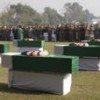
PAKISTAN: Anger Soars Over Attack
"Enough is enough. Pakistan should respond aggressively to these unprovoked and unwarranted NATO air strikes," says local shopkeeper Muhammad Omar. Public anger is boiling over as the Pakistani government takes tough action to cut supplies and other support to NATO forces in Afghanistan.
The Aid From Women No One Counts
Gender responsive budgeting becomes important when seen in the background of unpaid but important care work done by women, say delegates to an international meet on aid effectiveness in this South Korean city.
INDIA: Elephants and Mahouts Held Captive by Tradition
As the number of captive elephants grows to 35 percent of the wild population of the world’s largest land-dwelling mammal, elephant trainers, or mahouts, find themselves just as chained to hardships as their charges.
Q&A: ‘Close to Breaking Point’
Who speaks for the Chinese people? With the advent of the blogosphere in China, the Communist party is no longer the uncontested spokesperson for the Chinese nation. A myriad of voices are vying for space and attention, but most of those, according to one of the country's most famous bloggers Wang Xiaofeng, are just "letting off steam" and indulging a penchant for rant long suppressed in traditional media by the party's ruthless censors.
The Screen Speaks for Suu Kyi
Twenty years after winning the Nobel Peace Prize, and a year after being released from house arrest, Burmese opposition leader Aung San Suu Kyi is the subject of a sweeping film that may increase international pressure on Burma’s ruling regime to speed up tentative reforms.PAKISTAN: At the Butt of a Joke
The Butts of Punjab have become the butt of jokes after Pakistan’s telecom authorities moved to ban "obscene" content on short messaging service (SMS) texts over mobile phones.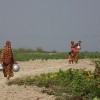
Bangladesh Demands Climate Justice
Mosammet Monwara walks more than three km every alternate day to fetch water for her family of five in a heavy earthen pitcher.PAKISTAN: Persecution of Ahmadis Spreads
"Hatred against us has now spread to small towns and villages," Saleemuddin, spokesperson of the persecuted Ahmadiya community in Pakistan, told IPS.CAMBODIA: Delayed Justice Begins Unconvincingly
Kim Vuthy has walked inside this courtroom on the outskirts of Phnom Penh three times. But it never gets any easier looking at the men she holds responsible for the deaths in her family.U.S. Ratchets Up Economic Pressure on Iran
Under intense pressure from the U.S. Congress and U.S. presidential election politics, the Barack Obama administration Monday declared the Islamic Republic of Iran a "primary money laundering concern" - a designation that stops short of blacklisting Iran's Central Bank but is intended to persuade more foreign governments, banks and companies to curtail business with Iranian financial entities.
NEPAL: Community Forestry Unfazed by Political Turmoil
Nepal’s joint forest management system has taken such deep roots that the country’s prolonged political instability has had little effect on it.CLIMATE CHANGE: Himalayan Nations Yet to Break the Ice
Chungda Sherpa, a former herder from eastern Nepal, has a warning tale ahead of the United Nations climate change conference in Durban.KYRGYZSTAN: Bishkek Struggling to Find Right Economic Path
In a small office on the second floor of the Kyrgyzstan Stock Exchange, a lone administrator checked the time and looked up from the computer: "Two o'clock. No applications received. Auction for sale of Zalkar Bank is declared invalid."Ex-Inspector Rejects IAEA Iran Bomb Test Chamber Claim
A former inspector for the International Atomic Energy Agency (IAEA) has repudiated its major new claim that Iran built an explosives chamber to test components of a nuclear weapon and carry out a simulated nuclear explosion.
DEVELOPMENT: New Aid Model Expected at Busan
A new model of making development assistance more successful is expected to emerge at the Fourth High Level Forum on Aid Effectiveness (HLF-4), to be held Nov. 29 - Dec. 1 in Busan, Korea.INDIA: Dangers of a Lax Nuclear Strategy
On August 26, Japanese Prime Minister Naoto Kan resigned, taking responsibility for the disastrous meltdown of the Fukushima Daiichi nuclear power plant, which was caused by the March 2011 undersea earthquake and ensuing tsunami.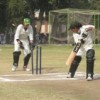
PAKISTAN: Beating the Taliban on the Playing Fields
An outbreak of sports fever has gripped the Federally Administered Tribal Areas (FATA) of Northern Pakistan, as increasing numbers of civilians and government officials latch on to team sports as their only armour against creeping militancy in the border region.« Previous Page — Next Page »


The Week with IPS

NEXT STOP - SDGs
Tracking global progress towards a sustainable world
Tracking global progress towards a sustainable world
