
Saturday, November 21, 2026



News and Views from the Global South
Climate Change

An Awakening in Nagoya
The international community has finally awoken to the other great trans-boundary challenge of our time, with a new international agreement to halt the unravelling of the web of life that sustains humanity.
Lurching from One Disaster to the Next
The world is ill-prepared for the human toll from the expected increase in floods, droughts and extreme storms and hurricanes on the horizon.Climate Change Denial Pervades U.S. Elections
In the run-up to the U.S. elections set to take place Nov. 2, the amount of money being spent and eccentricities on display have reached record levels. This has been particularly obvious in debates over energy and climate change.Runaway Global Economy Decimating Nature
One-fifth of all birds, fish and animals are threatened with extinction - as many as six million unique and irreplaceable forms of life – an authoritative new assessment warned Wednesday.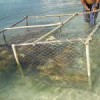
Heat Rises, Fishing Falls in the Venezuelan Caribbean
In the Southern Caribbean, along the Venezuelan coast, fishing is on the decline, surface waters are warming, rivers discharge tonnes of waste into the sea -- the waves seem to be licking the wounds left by these phenomena and devastating fishing practices like bottom trawling.Tackling Climate Change Could Save Biodiversity
A major change in the direction of economic development is essential to avoid the catastrophic unraveling of Earth's ecosystems that support all life, a new global analysis published in the journal Science revealed Tuesday.
CLIMATE CHANGE: Geoengineering for a Desperate Planet
Delegates to the world summit on biodiversity here are calling for a moratorium on climate engineering research, like the idea of putting huge mirrors in outer space to reflect some of the sun's heating rays away from the planet.
PAKISTAN: After the Bitterness of the Floods Comes ‘Sweet Water’
Pakistan’s recent catastrophic floods has had many alternately worried and depressed, but the indigenous community that calls the mudflats between the creeks of the Indus delta home has been having a decidedly far different reaction.
Malawi Herbalist Joins Fight Against Deforestation
Decades of shifting cultivation by rural farmers have threatened forests in the district of Karonga in northern Malawi. The loss of forest cover has also threatened the livelihood of Benjamin Kalowekamo, a herbalist who depends on local plants to mix his healing concoctions.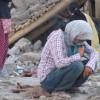
INDIA: Extreme Weather Sows Uncertainty in Farmers’ Lives
When dark clouds waft above, hearts pound in fear and nightmarish thoughts strike the minds of the inhabitants of this desert town, which lies more than 3,048 metres above sea level in the northern Indian province of Ladakh.FOOD-GUATEMALA: Bad Omens for 2011
Guatemala needs to take steps to prepare for even worse problems of hunger in 2011, caused by climate change and farmers' heavy dependence on a few basic crops like corn and beans, experts warned on the occasion of World Food Day, celebrated Saturday.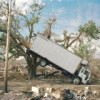
The Yin and Yang of Climate Extremes
The floods that affected 20 million people in Pakistan and the devastating six- week heat wave in Russia in recent months are tragic climate events -- and they're closely linked.World Bank Pressured over Record Fossil Fuels Lending
With new figures showing a record amount of World Bank funding for projects relying on coal power and other fossil fuels, the issue of reforming the institution's energy lending was once again a hot topic at the World Bank and IMF annual meetings, which concluded over the weekend.CLIMATE CHANGE: 7,000 Events Planned in 188 Countries
NGOs and ordinary citizens around the world plan to help raise awareness on the problems caused by climate change and urge governments to adopt policies to combat the phenomenon, with more than 7,000 activities in 188 countries on Sunday.Canada Sees Climate Change “Prosperity” Instead of Calamity
The first comprehensive look at the expected impacts of climate change on Canada offers an embarrassing and misleading "don't worry, be happy" vision, citing more golf days and better access to northern deposits of oil and gas courtesy of global warming, critics say.JAPAN: Climate Change Concerns Give Aid A Green Hue
It may not be easy to imagine Japan as a jolly green giant, but to several Asian countries that have been enjoying environmental projects funded by Japanese aid, that’s what this nation has resembled in the last two decades.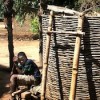
MALAWI: Richer Soil First Defence Against Climate Change
Malawi has directed local government officials to develop local response strategies to the effects of climate change.Engineering a Water Crisis in Rivers
Failure to protect and invest in nature has left the world’s rivers in crisis, threatening the water supply of more than five billion people according to a new study. Pollution, dam building, agricultural runoff, conversion of wetlands, and water-works engineering have severely impacting global river systems, the first- ever health assessment of the planet’s riverine ecosystems reported in Nature last week.
NEPAL: Himalayas Unsettled by Melting Glaciers, More Avalanches
For the last two climbing seasons, Dawa Sherpa has missed scaling the summit of Mt Everest. But the climate ambassador for the World Wildlife Fund (WWF) and two-time Everest summiteer may not be relishing the thought of bearing witness once more to the impact of rising temperatures on the world's highest peak.Geoengineering May Represent Earth’s Best “Plan B”
Beyond Copenhagen and Cancún, a different climate debate has been brewing. The outcome of this debate, however, will affect far more than the climate, and that is precisely why it is so contentious.Fatal Blast Puts Focus on Web of Gas Pipelines
A natural gas explosion in San Bruno, California that almost decimated an entire city earlier this month has fuelled concerns about the outdated, aging, and dangerous gas pipelines that underlie many U.S. cities.« Previous Page — Next Page »


As unsustainable human consumption and production systems are driving changes in average temperatures and weather patterns, "abnormal" is increasingly becoming the norm. So far, a lack of financing has been standing in the way of a comprehensive global plan for climate adaptation, and a global financial crisis has contributed to an increasing reliance on public-private partnerships. Our Climate Change page provides you with the latest news about international and local efforts to address what's frequently been called "the challenge of our time", the forces behind the climate change and the impact it has on the world's most vulnerable populations. Along the way, we bring you stories on growing citizen awareness, new scientific data, and emerging climate policies towards sustainable development.

The Week with IPS

Tracking global progress towards a sustainable world

