
Saturday, November 21, 2026



News and Views from the Global South
Climate Change
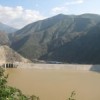
PERU: Murky Waters Cut Through Andes
The Olmos megaproject, which will divert water from the Huancabamba River through a trans-Andean tunnel to a desert area along Peru's northern coast, is being touted as a catalyst for development, but disputes are heating up over land, crops and water.
KENYA: Successful Weather Prediction Uses Old and New
In the wake of ever-changing climatic conditions, a study in western Kenya has discovered that combining traditional methods of weather prediction with meteorological forecasting is the best way of obtaining more accurate forecast data.Climate Concerns Spur Changes in U.S. Military
Though some conservative politicians and activists in Washington remain unconvinced of the need for action, the U.S. military is taking the effects of climate change increasingly seriously.UN Sets Out Roadmap for Universal Electricity Access
People's access to electricity, especially modern electricity, must increase even as greenhouse gases are reduced, according to a report issued Wednesday by the U.N. Secretary-General's Advisory Group on Energy and Climate Change.
Q&A: Coal, a Silent Killer
Fatal accidents at coalmines, like the recent tragedies in China and the United States, cause great public alarm. But U.S. physician Alan Lockwood warns that many more deaths are caused by the pollution that comes from the use of coal as an energy source.
CLIMATE CHANGE: Forests Not for Absorbing Carbon, Say Activists
The UN-led global initiative to use forest conservation as a way to offset greenhouse gas emissions heated things up at the people's summit against climate change in Bolivia. In the end, the participants reached a consensus - and rejected the plan.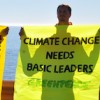
CLIMATE CHANGE: No Deal in Sight, Say Leading Economies of the South
Environment ministers from Brazil, South Africa, India and China are sceptical that a legally-binding agreement on climate change will be reached in Cancun, Mexico in December.Civil Society Calls on World Bank to Reform its Energy Lending
Against the backdrop of the World Bank and International Monetary Fund's spring meetings this weekend, numerous groups have chimed in on the need for and direction of a new World Bank energy strategy.
Wanted: World Referendum, Climate Justice Tribunal
A world people's referendum on climate change will be held in April 2011 for the earth's peoples to decide how to address this global problem.BOLIVIA: Save the Planet from Capitalism, Morales Says
Activists meeting at the people's conference on climate change in this Bolivian city booed a message from United Nations Secretary-General Ban Ki-moon but cheered at host President Evo Morales's chant of "planet or death!"Crunch Time for Ecuador’s Biological Treasure Trove
These are decisive days for the Yasuní National Park, one of the world's most biodiverse areas, because of the danger that its wealth of underground oil poses to this unique and fragile ecosystem in Ecuador's Amazon jungle region.MOZAMBIQUE: Weather Service Key to Flood Disaster Management
Mozambique's government learned some tough lessons from the devastating floods that hit the country a decade ago. Experts say the disaster management plans drawn up since are a model for other African countries.BOLIVIA: “Living Well” in Harmony with the Environment
The philosophy of "Living Well" enshrined in Bolivia's new constitution is being put forward by the government as the basis for a global movement against consumerism, depredation of natural resources for profit, and current models of development.
URUGUAY: Tools Needed for Those Most Vulnerable to Climate Change
Water-borne diseases and illness related to natural disasters are on the agenda for plans of officials and civil society to help the precarious settlements in the outskirts of the metropolitan area of Montevideo and in other Uruguayan cities.
ENVIRONMENT: Giant Bacteria Colonise the Oceans
A mat the size of Uruguay composed of giant bacteria has been discovered in the mid-depths of the ocean off the coasts of Chile and Peru, report scientists who are working on a series of studies of the ocean's smallest life forms.Opposition Mounts to Carbon Compensation Schemes
The World People's Conference on Climate Change and the Rights of Mother Earth, which opened Monday in Bolivia, will reflect vigorous resistance to financial compensation for forest conservation in return for permits to emit greenhouse gases, activists told IPS.
CLIMATE CHANGE: Voice of Civil Society Loud and Clear in Cochabamba
The success of the climate change conference taking place in the central Bolivian city of Cochabamba will depend on how unified civil society ultimately is in its efforts to influence the United Nations climate summit, in Mexico, say Latin American activists.
ENVIRONMENT: European Activists Against Economic Growth
The global environmental crisis requires replacing the existing capitalist model of production with one that promotes "selective degrowth" of the economy and the restricted and responsible exploitation of natural resources, according to European experts and activists.CLIMATE CHANGE-BOLIVIA: In Defence of Pachamama
Through their ancestral knowledge and traditions, indigenous peoples will make a unique and invaluable contribution to the World People’s Conference on Climate Change and the Rights of Mother Earth, which begins Monday, Apr. 19 in the central Bolivian city of Cochabamba.DEVELOPMENT: Farmers on Fringe of Intl Agriculture Policy?
How's this for short-sighted: A billion people go hungry every day, food prices have climbed 30 to 40 percent, climate change is reducing agricultural production - and for the past two decades, the world has slashed investments in publicly-funded agriculture until it is a pittance in most countries.AFRICA: Monitoring a Changing Climate
The gathering environmental crisis presented by global warming makes effective weather information and prediction a matter of urgency. As Africa's farmers come to grips with adapting to climate change, it may be that the best way to equip them is to involve them directly in collecting the data.« Previous Page — Next Page »


As unsustainable human consumption and production systems are driving changes in average temperatures and weather patterns, "abnormal" is increasingly becoming the norm. So far, a lack of financing has been standing in the way of a comprehensive global plan for climate adaptation, and a global financial crisis has contributed to an increasing reliance on public-private partnerships. Our Climate Change page provides you with the latest news about international and local efforts to address what's frequently been called "the challenge of our time", the forces behind the climate change and the impact it has on the world's most vulnerable populations. Along the way, we bring you stories on growing citizen awareness, new scientific data, and emerging climate policies towards sustainable development.

The Week with IPS

Tracking global progress towards a sustainable world

