
Saturday, November 21, 2026



News and Views from the Global South
Climate Change
U.N. Body Urges Caution on Synthetic Bacteria, Geoengineering
Scientists announced the creation of first self-replicating synthetic life form last Friday, and a few hours later, a United Nations science advisory body meeting here urged countries to take a strong precautionary approach to avoid release of such entities into the environment.
BIODIVERSITY: Watching Over the Future
Her husband died last year, but "he will be forever a guardian of biodiversity."
BIODIVERSITY: Saving the Planet Can Be Fun
Saving the planet from environmental catastrophe is undoubtedly very important, but one of the reasons many people are not doing their bit could be that being green does not seem much fun.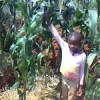
Agrobiodiversity Key to Adaptation
Mechanisation, increased use of fertilisers, and the planting of hybrid seeds have underpinned huge increases in the world's agricultural output over the past 40 years.Reclaiming the Streets
Cars promise mobility, and in a largely rural setting they provide it. But in an urbanising world, where more than half of us live in cities, there is an inherent conflict between the automobile and the city.Loggers, Activists Reach Deal on Canada’s Vast Northwoods
The decades-long war in Canada's northwoods appears to be over. Environmental groups and Canadian logging companies linked arms Tuesday morning and agreed to work together to sustainably manage and protect 720,000 square kilometres of Canada's boreal forest - an area twice the size of Germany.
Q&A: “Old Rich” Countries Owe Debt for Climate Crisis
Countries closest to the equator will suffer most from climate change, according to Gwynne Dyer, a geopolitical analyst and journalist who predicts catastrophic events over the next few decades if temperatures continue to rise.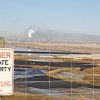
Oil Sands Riskier than Gulf Spill, Say Investor Groups
As the oil leaking into the Gulf of Mexico destroys habitat and livelihoods, the extraction of oil from Canadian oil sands deposits is having a similar impact on fragile ecosystems and communities deep in the North American interior.
Q&A: Fewer Protests, More Political Pressure to Fight Climate Change
Moving away from public protests and towards exerting political pressure on leaders in industrialised countries is the strategy chosen by the environmental movement 350.org to fight global warming, said its co-founder Kelly Blynn in an interview with IPS.BIODIVERSITY: Oil Spill Will Devastate the North Sea Warn Experts
If an oil spill similar to that in the Gulf of Mexico were to happen in the North Sea, it would devastate the Wattenmeer, one of the most fragile and important biodiversity hotspots in northern Europe.
WORLD: North Should Pay South Reparations for Climate Change
The North should pay reparations to the South for the effects of climate change.Small Islands Sit Tight and Vow to Fight Climate Change
If nothing is done to slow the pace of climate change, many small island developing states (SIDS) will be at risk of being wiped out, both economically and literally.ARGENTINA: Adding More Coal to the Fire
Bucking recommendations to build up renewable energy sources, Argentina is forging ahead with a plan that will increase its dependence on coal, regarded as the most polluting fossil fuel.
BIODIVERSITY: We Can Live Without Oil, But Not Without Flora and Fauna
The policies and deals that contributed to the massive oil spill under way in the Gulf of Mexico are also jeopardising the Earth's vital biological infrastructure, according to the Global Biodiversity Outlook 3, published Monday.ENVIRONMENT: Australia Backflips on Climate Action
Australian Prime Minister Kevin Rudd’s Labor Party has made much of its plans to tackle climate change even before it came to power with victory in the country’s 2007 election.ENVIRONMENT: Small Islands Urge Action at UN Oceans Meet
Faced with rising sea levels, dying coral reefs and decreasing fish stocks, small island developing states (SIDS) are feeling the effects of ocean decline, and they want wealthier countries to do more to ensure the survival of the world’s seas and other waterways.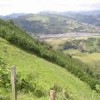
CLIMATE CHANGE: Colombian Forest Project Reaps Credits… and Criticism
The "Procuenca Initiative" in the Andes region of western Colombia may be the first in the world to sell certified forest carbon credits with a biodiversity protection component. But alarms are sounding about the potential negative social and environmental consequences.The Bittersweet Dreams of Uruguay’s Beekeepers
Beekeepers in the small South American country of Uruguay are facing climate change and a complex web of problems that threaten their livelihoods.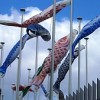
ENVIRONMENT: Oil Spill Gives Urgency to UN Oceans Meet
The disastrous oil spill in the Gulf of Mexico has given increased urgency to the fifth Global Oceans Conference taking place here at the United Nations Educational, Scientific and Cultural Organisation (UNESCO).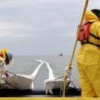
U.S.: Offshore Drilling Badly Tarnished by Gulf Oil Leak
As oil seeps into the environmentally and economically critical Gulf of Mexico following an explosion on a rig there two weeks ago, some groups are saying this catastrophe should mark the end of offshore drilling for oil - and be a "clarion call" for moving away from fossil fuels.CUBA: Drought Looming – Again
As Cuba feels the impact of a drought that is affecting the entire Caribbean region, authorities have stepped up calls for water savings in households and the public sector.« Previous Page — Next Page »


As unsustainable human consumption and production systems are driving changes in average temperatures and weather patterns, "abnormal" is increasingly becoming the norm. So far, a lack of financing has been standing in the way of a comprehensive global plan for climate adaptation, and a global financial crisis has contributed to an increasing reliance on public-private partnerships. Our Climate Change page provides you with the latest news about international and local efforts to address what's frequently been called "the challenge of our time", the forces behind the climate change and the impact it has on the world's most vulnerable populations. Along the way, we bring you stories on growing citizen awareness, new scientific data, and emerging climate policies towards sustainable development.

The Week with IPS

Tracking global progress towards a sustainable world

