Languages
Thursday, November 19, 2026



News and Views from the Global South
Development & Aid
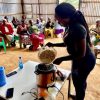
Clean Cooking Transition: Pathways as Seen by Kenyan Villagers
The Sustainable Development goals on energy speak clear: universal access energy and clean cooking by 2030 (SDG7). But the current efforts are still lagging several steps behind the specific needs of the communities and are not enough to achieve energy access for all, especially clean cooking solutions.
Religion & the Pandemic: A Call Beyond the Here & Now
-- I have never been interested in religion or spirituality before, but I found myself tuning in to all sorts of on-line religion and spirituality related forums “in search of something.”
Address Malnutrition with Food Insecurity
The 2020 State of Food Security and Nutrition in the World, issued by the Food and Agriculture Organization and its United Nations partners in mid-July, reports that chronic hunger continued to increase to 690 million worldwide in 2019, 60 million more than in 2014.
With Proper Investment in Youth, Kenya’s Potential for Progress Is Unlimited
Africa’s demographic boom has been hailed as its biggest promise for transforming the continent’s economic and social outcomes, but only if the right investments are made to prepare its youthful population for tomorrow’s world.
SDGs: Accelerating Action & Transformative Pathways through Nature-based Solutions
The theme of this year’s High-Level Political Forum, where governments reviewed progress on the Sustainable Development Goals was “Accelerated action and transformative pathways: realizing the decade of action and delivery for sustainable development.”
The COVID-19 Plastic Pandemic
The coronavirus pandemic was a respite for nature everywhere. The air was cleaner, trekking trails were pristine, the summit of Mt Everest was deserted, and worldwide carbon emission dipped by -26%.
The Good, the Bad and the Ugly
In the cinematic context of the death of the Italian and universal composer, Ennio Morricone, author of the background music of more than four hundred films, as an indirect tribute, Europe took a solid step.
The Charter of the United Nations: Ideals for Shaping Our Reality
“Reconciling the requirements of the ideal with the possibilities of the real": this is how Georges Bidault, Minister for Foreign Affairs and head of the French delegation to the San Francisco Conference, summed up the objective pursued by the drafters of the Charter of the United Nations. On the still living ashes of the Second World War, the fathers of an Organization charged with developing friendly relations between nations, promoting human rights and economic and social progress were less utopian than visionary. They understood that the community of States should have a common constitution. It has been tested by conflict, crisis and upheaval, but its resilience and strength have shaped the very structure of contemporary international relations.
Southeast Asia Has a Chance to Build Back Better Post-Pandemic
Southeast Asia’s response to the coronavirus pandemic has been efficient, but some areas such as data privacy, measures to go back to normalcy after lockdown is lifted, and resources for migrant or transient populations will need addressing.
Corporate Bailout or Cash Transfers for All, including Children?
The Covid-19 pandemic seems to have spared children from the direct health effects of the virus but the crisis has affected their social and economic rights directly and indirectly beyond what we could have foreseen. And there's no doubt that children who come from more vulnerable backgrounds will feel the long-term impact of the pandemic and the measures taken to prevent its spread the hardest.
Google’s $10 Billion Investment in India Should be Inclusive of Persons with Disabilities
Over the next seven years, Google will invest a whopping $10 billion in India to improve technology, health and education, according to CEO Sundar Pichai. This is unprecedented and could be a game changer that could improve health, education and economic empowerment.
Only Governments Can Prevent Covid-19 Recessions Becoming Depressions
Covid-19 threatens economic life the world over. The most urgent and important need is for governments, businesses and families to survive. Governments must revive economies and livelihoods to prevent Covid-19 recessions from becoming protracted depressions. The Covid-19 crisis is clearly a ‘black swan event’, threatening both public health and livelihoods. Both the pandemic and containment efforts are not due to business operations and decisions, but nonetheless have compelling consequences for them.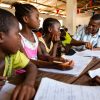
Last Mile Teachers
“It has gotten really tough for us,” says James, a father in rural Liberia, of COVID-19 lockdown and school closures. “My son is trying but he is missing his friends and teachers. Children want to be in school.”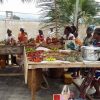
Food Security Threats: Now a Warning and Later May Be Too Late
Recent world reports confirm that the goals set by the international community to end poverty and hunger, and create a more balanced, sustainable and fair world by 2030, are currently in danger. If effective and rapid global action is not taken, the goals will not be met and the results in just 10 years may be very negative for all of us.
Coronavirus – Urban Areas Face the Brunt of the Pandemic
The effect of the coronavirus pandemic and its subsequent global lockdown might have a graver effect on cities and urban areas than on rural areas, possibly making women more susceptible to violence.
Reflections on the Charter of the United Nations on its 75th Anniversary
This year we celebrate the 75th anniversary of the Charter of the United Nations, written and signed during a period of great global change. Today, the world is again shifting beneath our feet. Yet, the Charter remains a firm foundation for our joint efforts.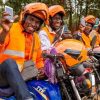
Ride-Hailing App Delivers Contraceptives to Users’ Doorsteps
When Betty Nagadya walks through the trading centre on her way home, she sings a song in the local Luganda language: “SafeBoda, SafeBoda, who needs a helmet?” she sings. “For those who feel cold, I have a coat for you.” But her song is not about clothing – it’s about condoms.
Solar Energy Expands in Brazil Despite the Pandemic
Solar energy has continued to expand in Brazil during the COVID-19 pandemic and should contribute to the economic recovery in the wake of the health crisis.
Neglected, Sacrificed: Older Persons During the COVID19 Pandemic
Failing to help those in most need COVID19 is devastating on older persons. The numbers are staggering, more than 80 percent of the fatalities due to coronavirus in the US and East Asia occurred among adults aged 65 and over. In Europe and Australia, the figures are even higher, 94 and 97 per cent of the deaths were persons aged 60 and over.
Include Indigenous People in COVID-19 Response
In Nepal the COVID-19 crisis has been especially hard on indigenous peoples. We had to learn a new vocabulary and use words like quarantine, self-isolation, hand sanitizers and social distancing.
COVID-19 Means Development Setbacks for Mongolia
Mongolia has recorded very few cases of COVID-19, less than 300 as on date, despite its more than 4,000 kilometre porous border with China. However, the country faces a major economic impact from the pandemic.« Previous Page — Next Page »


 2026 High-level Political Forum on Sustainable Development. Credit: UN Photo/Eskinder Debebe
In 2015, the United Nations and its Member States adopted the Sustainable Development Goals (SDGs) in an effort to make the world a more sustainable and peaceful place for future generations. Progress on the 17 SDGs has been uneven, and inequality persists across the globe. 10 years after adoption, the 2025 UN SDGs Report revealed that only 35% of the SDG targets are on track, with more than half moving too slowly, and 18% moving backwards from the 2015 baseline. Poverty remains one of the world’s most pressing issues, with hunger, violence, and inequality impeding the opportunities for all people to achieve success. In September 2024, the United Nations Summit of the Future introduced a new goal: to eradicate global poverty by 2030, ensure universal rights to basic services, and increase the overall standard of living in terms of industrialization, economic well-being, citizen health, and literacy. Furthermore, recent shifts in United States foreign aid policy – notably, major budget cuts to USAID and the termination of thousands of development programmes– have severely threatened vital lifelines of financial aid to impoverished communities around the world. Additionally, the United States’ withdrawal from the Paris Climate Agreement has undercut international efforts at sustainable development. With the upcoming 2030 deadline, the UN Secretary-General has called for urgent multilateralism across six priority areas: food systems, energy, digital connectivity, education, jobs and social protection, and climate and biodiversity. IPS sheds light on marginalized communities that struggle on a daily basis to survive and have their stories heard and respected.
Updated by Yilan Batista and Shuli Wong August 2026

The Week with IPS

NEXT STOP - SDGs
Tracking global progress towards a sustainable world
Tracking global progress towards a sustainable world
