
Wednesday, November 25, 2026



News and Views from the Global South
Environment
CUBA: Village with English Past, Ecological Present
Only hurricanes disrupt the tranquility of Cocodrilo, a Cuban coastal village founded by immigrants from the Cayman Islands in the early 20th century.
BURKINA FASO: Race to Achieve Goals on Sanitation
The government of Burkina Faso has embarked on the construction of 55,000 latrines each year to improve access to proper sanitation for the population from the present 10 percent to 54 percent by 2015.SOUTHERN AFRICA: Realising Trade in Virtual Water
The vegetables Omphemetse Monyi sells at the Francistown bus rank come from 400 kilometres away in South Africa. One approach to development might seek to replace her suppliers with local farmers, but Southern Africa's water managers are considering the merits of reinforcing a regional trade in "virtual water".As Sanctions Rise, China Steps Deeper Into Iran
The European Union's new sanctions against Iran appear to open a new space for eager Chinese companies to expand their investments in a country viewed as a rogue player by much of the western world.ZIMBABWE: Badly Needed Work Begins on Bulawayo Water System
Dispersing feasting flies and angry residents from a manhole cover spewing sewage from people’s homes and into the road: another day in the working life of Njabulo Siziba. It's a dirty, frustrating, thankless job as a civil engineer for Bulawayo city council, but help is at hand for Siziba and the city he serves.AUSTRALIA: Marine Biodiversity Threatened by Oil, Gas Exploration
In early July, whales from the world’s largest population of humpbacks began arriving in the warm, subtropical waters off Australia’s north-west coast to breed and nurse their young.SOUTH-EAST ASIA: Thailand Faces Flak for Backing Mekong Dams
Northern Thai villagers living on Mekong River’s banks are poised to join a growing tide of opposition against a planned cascade of 11 dams to be built on the mainstream of South-east Asia’s largest body of water.PERU: Adios, Doe Run
Peruvian President Alan García confirmed Wednesday that the permit of the U.S. mining and metallurgical company Doe Run to operate a major smelter complex was being cancelled because the firm missed the deadline for proving that it had the necessary financing to restart operations and complete an environmental cleanup.
Climate Extremes Fuel Hunger in Guatemala
"Three-quarters of the fields are still under water. Maize, plantains, okra and pasture are all lost," José Asencio told IPS at the village of Santa Ana Mixtán in southern Guatemala, the area worst affected by tropical storm Agatha.
U.N. Declares Water and Sanitation a Basic Human Right
When the United Nations General Assembly adopted the Universal Declaration of Human Rights (UDHR) back in December 1948, 58 member states voted for a historic document covering political, economic, social and cultural rights.Ecuador Requires Oil Firms to Renegotiate Contracts
A new law gives private oil companies in Ecuador four to six months to renegotiate new service contracts.Slack Oversight of Peru’s Amazon Rainforest
Fifty-three percent of Peru is covered with native rainforest, but the agencies in charge of protecting and monitoring this vast area are toothless and have neither the staff nor the resources to cope with the job, according to a report from the Defensoría del Pueblo (Ombudsperson's Office).
AFRICA: “Free Trade in Natural Resources Bad for Development”
While some believe that restrictions on natural resource exports should be done away with, this could cause an increase in such exports that would be detrimental to the environment and bad for development.VENEZUELA: Chronic Oil Leaks Sully Lake Maracaibo, Livelihoods
Dark oil slicks are spreading from the middle of Venezuela's Lake Maracaibo towards the shores -- the wetlands, mangroves, beaches and docks. Oil is permeating fishing nets, coating the garbage dumped into the water, killing off wildlife and driving away residents and tourists.Hopes Fade for Languishing U.S. Climate Bill
The Barack Obama administration has found success in passing healthcare reform and legislation touted as an "overhaul" of the U.S. financial system, but last week it became clear that the Democrats wouldn't advance a climate change bill until after the August recess and, more likely, until next year.Ecobreves – BRAZIL: Making Use of Power Lines' Wasted Electricity
The energy that is lost along electrical transmission lines can be utilized by small, nearby communities, says José Ezequiel Ramos, an engineer with the government electrical company Eletrobras.Ecobreves – MEXICO: No Profits from GM Crops, Says Greenpeace
Yields from genetically modified (GM) crops did not provide additional economic benefits for the farmers in many countries, and the same could happen in Mexico, according to a study by the environmental organization Greenpeace.Ecobreves – ARGENTINA: Another Controversial Project on the Uruguay River
Residents of Concepción, in the eastern Argentine province of Entre Ríos, have denounced the start of infrastructure construction on the Uruguay River without the approval of the bilateral commission that oversees this border river.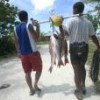
Cuban Village with English Past, Ecological Present
An environmental protection regimen is changing the fate of a community founded in Cuba by English-speakers from the Cayman Islands.
Clean Energy and Cultural Survival in Nicaragua
On Nicaragua's Atlantic coast, a project is under way to ensure the survival of an indigenous culture through environmentally friendly development.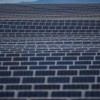
Spain’s Renewable Energy Heads West
Plagued by Spain's economic recession and subsidy cuts, renewable energy businesses are following the sun and wind to Latin America in search of profits.« Previous Page — Next Page »


Through our global network of local writers, we are continuing our award-winning coverage of global and local environmental challenges, with a focus on the people for whom the ecosphere matters in a direct way: rural dwellers who have little means to protect themselves against adverse conditions; communities that need to switch to sustainable development in order to survive; poor women and children, who are the most vulnerable in natural disasters. Sponsored by the United Nations Environment Program (UNEP), the United Nations Development Program (UNDP) and The World Bank (WB), IPS also maintains the award-winning Tierramérica, a specialised information service on environment and development.

The Week with IPS

Tracking global progress towards a sustainable world


