
Wednesday, October 7, 2026



News and Views from the Global South
Environment
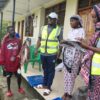
From Nets to Numbers: How Kenya’s Small-Scale Fishers Use Data to Save Their Ocean
As the afternoon sun casts a golden glow over Mukwiro village on Wasini Island on Kenya’s Indian Ocean South Coast, Mwanasiti Mwalola, 26 and Mzungu Mohammed Dhossa, 45, stand at the community fish landing site, carefully receiving baskets of freshly caught fish from returning fishers. A weighing scale hangs before them, with a pen and notebook in their hands; the two have one duty: to collect data on the stock being delivered by artisanal fishers.
In a Post-Aid World, Investing in Sustainable Livestock Farming Is an Investment in Global Stability
Smallholder farmers in Africa and Asia are likely to still be reeling from the fuel and fertilizer crisis caused by conflict in the Middle East when what forecasters expect to be a “super” El Niño arrives later this year.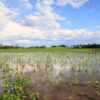
The Overlooked Impact of Flooding on Crops, Soils and Food Systems
Across the United States, record-breaking extreme weather events have already occurred, including severe storms and Tornadoes in the State of Illinois to flooding in Texas, southern Wisconsin and the South. Throughout the summer and the remainder of the growing season, additional severe weather events will come through, including several hurricanes and tropical storms beginning with Tropical Storm Arthur.
From Rotten Tomatoes to AI: Ugandan Commonwealth Youth Award Winner Takes Aim at Hunger Across Africa
Before anyone called her an innovator, before artificial intelligence entered the conversation, before solar-powered cold rooms, before the language of sustainable development, Shifra Ainomugisha knew food loss in its painful form.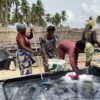
In West Africa’s Benin, Women Make Centuries-Old Salt Production Methods Sustainable
It is barely noon, and a group of women sit near the beach on the outskirts of Djégbadji village, in West Africa’s Benin, sifting through mounds of salt harvested from the Gulf of Guinea’s ocean.
Social Business – It’s Time
June 27-28 is the 16th Social Business Day, observed in Savar (Dhaka) Bangladesh. In June 2024 at the Western Sydney University’s graduation ceremony where I was conferred Emeritus Professor status, I urged the new business graduates to:- • purge the world of the… obnoxious Friedmanite idea that is destroying our planet and tearing our communities apart;
• look instead to the “Social Business Model” of Bangladesh’s Nobel Laureate Muhammad Yunus; and
• work on the right side of history; stand up for justice and liberation; spread the “moral violence” for peace; and put people and the planet before profit.
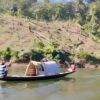
New GEF Project Raises Hope for Change in India’s Indigenous Lake Community
At dawn, when the waters of Dumboor Lake lie still under a pale grey sky, Santo Chakma, 63, nudges his narrow wooden boat into a reservoir that swallowed his childhood.
WORLD CUP: ‘FIFA Has Placed Itself on the Side of the Polluters, Not the Rest of the Planet’
CIVICUS speaks about the climate impacts of the 2026 World Cup with Frank Huisingh, founder of Fossil Free Football, a fan-led group that campaigns to end fossil fuel sponsorship in football and make the game more sustainable.
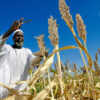
Armed Conflict, Funding Cuts and Supply Chain Pressures Deepen Global Hunger Risks
Armed conflict, economic shocks, and climate pressures are driving worsening food insecurity across many of the world's most vulnerable regions, according to the latest Hunger Hotspots report outlook for June-November 2026, jointly released by the World Food Programme (WFP) and the Food and Agriculture Organization (FAO).
Our Ocean Conference: After Mombasa – Will Africa and the World Make Ocean Promises Real?
« James Alix Michel warns that without real finance and precaution, ocean pledges risk remaining only on paper. » Now that the lights have dimmed in Mombasa and the delegations have gone home, a simple but necessary question remains: did the first Our Ocean Conference on African soil truly move the world from promises to protection? The conference was indeed the first held in Africa, under the theme “Our Ocean, Our Heritage, Our Future,” with a stated focus on culture, communities, livelihoods, marine protection, climate resilience and sustainable blue economies.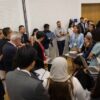
‘We Came for Action, Not Promises’: Developing Nations Voice Frustration as Bonn Talks Conclude
The United Nations June Climate Meetings (SB64) ended in Bonn with sharp disagreements between developed and developing countries over climate finance, adaptation support and emissions reductions, leaving negotiators with significant unresolved issues ahead of the COP31 climate summit in Antalya, Türkiye.
How AgricTech Cuts Labour for Zimbabwe’s Female Farmers
Long burdened by the labour-intensive nature of agriculture, Zimbabwe's female farmers are finding relief in new agritechnologies that significantly reduce the time they spend in the field.
Will US Opposition to UN’s Socio-Economic Goals Play a Decisive Role in the Vote for Next Secretary-General?
As the campaign for a new UN secretary-general gathers momentum, will the US exercise the decisive vote -- or the veto-- in the final selection?
In Sikkim, Snow Leopards and Communities Share the High Mountains
The tea arrives before the conversation starts. Jayanta Mukhia sets two cups on the wooden table and pulls up a chair across from the couple who arrived that afternoon with trekking poles and rucksacks. They have come to walk the Goechala trail into the heart of Khangchendzonga National Park in India. They will leave in two days. Before they go, she has something to tell them.
GLOBAL TAX TREATY: ‘Without Sustained Pressure from Organised Movements, the Political Space to Win Simply Doesn’t Open’
CIVICUS discusses a proposed United Nations (UN) tax treaty with Jenny Ricks, General Secretary of Fight Inequality Alliance, a global movement that organises to counter the concentration of power and wealth in the hands of a small elite.
UNICEF: Overlapping Climate Hazards Threaten Children’s Quality of Life
A new report from the United Nations Children’s Fund (UNICEF) highlights the vast, overlapping climate threats affecting children worldwide, which is leaving them increasingly vulnerable to escalating risks across health, security, and education.
From Victoria to Mombasa: Will Africa’s Ocean Voice Be Heard?
Tomorrow, Africa hosts the Our Ocean Conference on its own shores for the first time, in Mombasa. This is more than a diplomatic milestone. It is a test of whether we, as Africans, are prepared to safeguard our ocean as a shared heritage and a pillar of our future prosperity.
World Cup Preparation Scores a Goal against the Environment
The construction of an elevated pedestrian bridge connecting central and southern Mexico City –one of roughly 2,000 urban works tied to the 2026 FIFA World Cup, began last October, and, with only days to go before the tournament's kickoff, remains unfinished.
Health Emerges as a Strategic Frontline for Africa Ahead of Bonn Climate Conference
Africa contributes the least to global greenhouse gas emissions, yet it faces some of the world's most severe climate-related health impacts. Several realities define the continent's climate and health landscape – increased infectious diseases, air pollution, death, disruption and pressure on health systems through heatwaves, floods, droughts and storms.
Ocean Economy Reaches $2.5 Trillion as Services Become the Largest Share of Ocean Trade
The global ocean economy continues its expansion, with ocean-related trade reaching USD 2.5 trillion as of 2025. Ocean services now make up the majority of the ocean trade, accounting for 58.9 percent of the composition, up from 47.8 percent in 2020.
Papua New Guinea Bets on Indigenous Communities to Protect 700,000 Hectares of Highlands
The Global Environment Facility (GEF) has approved USD 6.4 million for a new conservation initiative in Papua New Guinea that seeks to protect 700,000 hectares of critical highland ecosystems by placing Indigenous Peoples and local communities at the centre of conserving and managing their ancestral lands.« Previous Page — Next Page »





Through our global network of local writers, we are continuing our award-winning coverage of global and local environmental challenges, with a focus on the people for whom the ecosphere matters in a direct way: rural dwellers who have little means to protect themselves against adverse conditions; communities that need to switch to sustainable development in order to survive; poor women and children, who are the most vulnerable in natural disasters. Sponsored by the United Nations Environment Program (UNEP), the United Nations Development Program (UNDP) and The World Bank (WB), IPS also maintains the award-winning Tierramérica, a specialised information service on environment and development.

The Week with IPS

Tracking global progress towards a sustainable world


