Languages
Saturday, October 31, 2026



News and Views from the Global South
Food and Agriculture

COVID-19 Pandemic an Opportunity to Re-evaluate How we Treat World’s Starving Children
While COVID-19 pandemic has affected the entire world, Nobel Laureates and world leaders have today expressed concern that ongoing crisis is far from being an equaliser. The pandemic has revealed that the most vulnerable and marginalised populations, including and especially children, remain largely unprotected against the virus and its impacts.
Hopes and Challenges for the First-Ever Food Systems Summit
Building inclusive and healthier food systems, and safeguarding the health of the planet will be some of the key priorities at the first-ever Food Systems Summit next year.

Failing Africa’s Farmers, Starving the Continent
African organizations are demanding answers after a recent report found that Alliance for a Green Revolution in Africa (AGRA) strategies have failed spectacularly to meet its goals of increasing productivity and incomes for millions of small-scale farming households by 2020 while reducing food insecurity on the continent.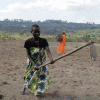
UN’s First-Ever Food Systems Summit to Fight Impending Emergency
Food systems involve all the stages that lead up to the point when we consume food, including the way it is produced, transported, and sold. Launching a policy brief on food security in June, UN chief António Guterres warned of an “impending food emergency”, unless immediate action is taken.
“Hidden” Costs of Our Food Systems
Five years after the adoption of the 2030 Agenda we are far from achieving the Sustainable Development Goals (SDGs). According to the recently launched SOFI Report (The State of Food Security and Nutrition in the World 2020), we are not on track to eradicate poverty, hunger and malnutrition. On the contrary, with the current trends, the global number of undernourished people in 2030 would exceed 840 million. Moreover, WHO has reported alarming rates of overweight and obesity, globally affecting 39% and 13% of the adult population, respectively.
Semiarid Regions of Latin America Cooperate to Adapt to Climate
After centuries of poverty, marginalisation from national development policies and a lack of support for positive local practices and projects, the semiarid regions of Latin America are preparing to forge their own agricultural paths by sharing knowledge, in a new and unprecedented initiative.
How Women-led Agribusinesses are Boosting Nutrition in Africa
Oluwaseun Sangoleye’s son developed rickets after rejecting baby formula. So she started a business to make natural baby cereal from locally-sourced ingredients in Nigeria.
Q&A: Family Farming in Latin America & the Caribbean Hard Hit by COVID-19 Restrictions
With limited transport options to carry their goods to the market, lack of protective gear, and limited financial resources, family farmers across Latin America are facing grave consequences as a result of the COVID-19 pandemic.
Youth Rural-Urban Migration Hurts Malawi’s Agriculture
As households in Chiradzulu District in Southern Malawi start preparing their farms for the next maize growing season, Frederick Yohane, 24, is a busy young man.
To Stay Ahead of the Next Insect Outbreak, Harness Available Data Intelligence
Recently, the UK contributed £17 million to support the Food and Agriculture Organization of the United Nations (FAO) to continue their efforts to combat the desert locust surge in East Africa and improve early warning and forecasting systems.
28 Organizations Promoting Indigenous Food Sovereignty
These 28 organizations are preserving Indigenous food systems and promoting Indigenous food sovereignty through the rematriation of Indigenous land, seeds, food and histories.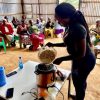
Clean Cooking Transition: Pathways as Seen by Kenyan Villagers
The Sustainable Development goals on energy speak clear: universal access energy and clean cooking by 2030 (SDG7). But the current efforts are still lagging several steps behind the specific needs of the communities and are not enough to achieve energy access for all, especially clean cooking solutions.
Address Malnutrition with Food Insecurity
The 2020 State of Food Security and Nutrition in the World, issued by the Food and Agriculture Organization and its United Nations partners in mid-July, reports that chronic hunger continued to increase to 690 million worldwide in 2019, 60 million more than in 2014.
Southeast Asia Has a Chance to Build Back Better Post-Pandemic
Southeast Asia’s response to the coronavirus pandemic has been efficient, but some areas such as data privacy, measures to go back to normalcy after lockdown is lifted, and resources for migrant or transient populations will need addressing.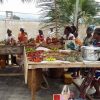
Food Security Threats: Now a Warning and Later May Be Too Late
Recent world reports confirm that the goals set by the international community to end poverty and hunger, and create a more balanced, sustainable and fair world by 2030, are currently in danger. If effective and rapid global action is not taken, the goals will not be met and the results in just 10 years may be very negative for all of us.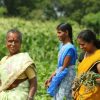
Securing Property and Land Rights in India
Secure property rights are fundamental to the economic and social development of any country. However, in India, we are faced with a curious conundrum where more than 70 percent of a household’s assets are held in land and housing, yet there is insufficient data and research on people’s property rights.
How Smart Investments in Technology Can Beef up Africa’s Economy
There is no shortage of technological innovations designed to boost animal agriculture in Africa. These range from GPS tracking systems which identify and trace pastoralists’ herds to livestock vaccine SMS services that alert farmers to disease outbreaks.
Involve Marginalized Groups to Make Food Systems More Climate-Resilient
At last week’s 2020 High Level Political Forum (HLPF), UN member states discussed how to get back on track to achieve the Sustainable Development Goals (SDGs) in light of the Covid-19 pandemic. They focused on a dire need for “accelerated action and transformative pathways to realize the decade of action and delivery for sustainable development.”
Research Provides the Bricks and Mortar for Our Food Systems to ‘Build Back Better’
The COVID-19 pandemic has exposed the structural weaknesses of today’s food systems, showing how quickly global networks of food production, trade and supply can waver under the impact of a single disease.
‘One CGIAR’ with Two Tiers of Influence? The Case for a Real Restructuring of Global Ag-Research Centres
While the ‘CGIAR System’ may sound like a technocratic body, few organizations have exerted as much influence on today’s food systems as this network of global agricultural research centres. Since its inception at the height of the ‘Green Revolution’ in 1971, the CGIAR has driven advances in crop breeding and agricultural mechanization and modernization across multiple continents. Its mission – to develop knowledge and innovation for agriculture in the global South – is as relevant today as ever, in light of climate change, COVID-19 and a host of additional challenges.
COVID-19-Induced Policy Reforms in India: Overcoming Implementation Challenges
The global outbreak of Covid-19 has disrupted the food system throughout the world. From initial lockdown by the national governments to slow the spread of the Covid-19 to now opening of the economies have had food security implications for all players in the food system ranging for the farmers to consumers and the rest in between.« Previous Page — Next Page »





 Farming on the Outskirts of Juba. Credit: UN Photo/JC McIlwaine
Promoting human and planetary health is a central focus of the United Nations, as laid out in the 2030 Sustainable Development Goals (SDGs). World hunger and unsustainable farming practices continue to be pressing concerns for the world. According to the 2025 State of Food Security and Nutrition in the World report by the Food and Agriculture Organization (FAO), 673 million people faced hunger in 2024. There are stark regional disparities, with the FAO projecting that 60% of the world population facing hunger will reside in Africa by 2030. Globally, the prevalence of food insecurity has remained consistently higher for women than men.
Sustainable and efficient national food systems are essential in preserving health, education, environmental well-being, peace, economy, and security. However, creating sustainable food systems can be a challenging endeavor, as food production takes a heavy toll on the environment. The agricultural sector accounts for a significant portion of greenhouse gases. Finding safe, sustainable, and ethical strategies to feed the world is crucial in ensuring planetary longevity. A recent initiative from 2023, the EU Regulation on Deforestation-free Products (EUDR), seeks to advocate for sustainable food systems. The main driver of deforestation is the expansion of agricultural land used to produce commodities like cattle, wood, cocoa, coffee, etc. The EUDR is part of the 2020 European Green New Deal and the EU Biodiversity Strategy for 2030 and aims to limit Europe’s consumption of products linked with deforestation by requiring that companies prove that their products are deforestation-free. Despite aiming to achieve major strides in sustainability, policies such as EUDR also raise socioeconomic concerns for targeted countries. Many emerging Latin American economies are impacted by the policy, and have raised the question of how developing countries can grapple with the tensions between economic development and advancing sustainability.
IPS has been at the forefront of providing compelling and insightful stories on communities facing hunger as well as the cost of food production. IPS uses statistics from FAO, the World Food Programme (WFP) and the International Fund for Agricultural Development (IFAD) to bring relevant and hard-hitting facts to readers. This gathering of information and data from such organizations helps bring the best stories from IPS journalists working in the different regions in consultation with experts on the ground.

The Week with IPS

NEXT STOP - SDGs
Tracking global progress towards a sustainable world
Tracking global progress towards a sustainable world

