Languages
Friday, November 20, 2026



News and Views from the Global South
Gender
Turning Education From a Privilege into a Right
Going to school and receiving an education are opportunities most people usually take for granted. But for 67 million children around the world, such possibilities do not exist.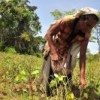
ASIA: Activists Press for Gender Equality in Forest Tenure Reforms
A 1993 forest act gave back Nepal its green hills, many believe. Activists say the law was also a catalyst for positive change in an area not readily linked with it – women’s rights in rural Nepal.
ANGOLA: Law on Domestic Violence a Step Forward for Women’s Rights
Domestically abused women who are financially dependent on their abusers can now report the crime with the assurance that they will be able to get financial and medical support from the state, thanks to the country’s new law on domestic violence.SRI LANKA: Saudi Death Sentence for Maid Shakes Govt
The Sri Lanka government is considering a further tightening of age restrictions on women leaving the country to become domestic workers. But some analysts say this is a quick-fix solution to the problem of women running afoul of the law abroad.
SOUTH SUDAN: Born into Crisis – Violence Against Women Continues
Violence against women is rampant, devastating and tolerated in South Sudan and the new country needs to address these gross human rights violations and train people, especially soldiers, to respect women’s rights.
BRAZIL: Women in Favelas Broadcast Peace
Local women's voices have begun to be heard over a community radio station now broadcasting in Complexo do Alemao, a clump of favelas or shantytowns on the north side of this Brazilian city that were ruled until recently by armed drug gangs.INDIA: Sex Selection on the Rise Despite Stricter Law
When Sujatha’s husband learned that she had conceived just five months after they got married, he became agitated over what he called her "ill-timed pregnancy". To worsen her husband’s anxiety, a test to determine the sex of the foetus showed she was carrying a girl.JAPAN: Aftershocks Hit Single Fathers
In a matter of minutes on Mar. 11, 33-year-old Hiroshi Yoshida became a widower and a single father, as the massive tsunami swept over his home in Rikuzentakata in northern Japan and took away his wife and younger son.
NEPAL: Sex Workers Demand a Place in the Constitution
Every time Bijaya Dhakal goes out to meet people and tell them what she does for a living, the simple task becomes an act of courage requiring nerves of steel. Dhakal is the founder of Nepal’s first and only organisation of women sex workers now trying to make the state and society listen to a community long hushed by poverty and discrimination.CUBA: Women Face Challenges in Growing Self-Employment Sector
"Coffee! Get your plastic bags here! Cream cheese, the very best...!" The voices blend in with the cries of other vendors and the noise typical of Cuban markets. Elisa, 64, was one of the hawkers until she was fined for selling her products without a permit. "I paid dearly for it," she says.
Q&A: “UN Women Is Creating a New Energy”
While in New York to celebrate the launch of UN Women's flagship biennium publication, "Progress of the World's Women: In Pursuit of Justice", Botswana's Unity Dow sat down with IPS to discuss the United Nations' newest entity, its landmark report, and the road ahead for women.MIDEAST: Never a Good Day for This Population
In dire need of money to assist her family back home, 27-year-old Makeda from Ethiopia was forced to return to the Middle East as a domestic worker.SOUTH SUDAN: Women Hope Independence Means Less Maternal Deaths
Mother of eight, Jessicah Foni, 36, hopes that independence will mean a hospital will soon be built in her village. Foni, who has travelled from a remote village in South Sudan to the state’s capital to celebrate independence, lost two babies at birth because of the lack of medical facilities in her area.
SUDAN: Close to War As the South Prepares to Celebrate Independence
Sudan is closest to civil war since the signing of the Comprehensive Peace Agreement (CPA) in 2005.
UGANDA: Maternal Deaths Against Constitutional Rights
When Valente Inziku’s wife, Jennifer Anguko, went into labour they had decided she would go to the local referral hospital just to ensure a safe delivery.
SOUTH SUDAN: Q&A: Spirits High in South Sudan Despite Unresolved Issues
As South Sudan prepares to cede from the North, it faces tremendous challenges towards building a nation and a sense of nationhood.
World Population to Hit Seven Billion by October
The United Nations commemorates World Population Day next week against the backdrop of an upcoming landmark event: global population hitting the seven billion mark by late October this year.SOUTH SUDAN: Equitable Oil Deal Needed For Peace
The sharing of oil between North and South Sudan needs to be urgently addressed otherwise conflict between the two regions will escalate and could possibly lead to civil war, according to government officials and rights organisations.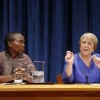
Sisters in the Struggle for Justice
As UN Women, the new United Nations agency dedicated to enhancing gender equality, releases its first major report following the organisation's launch early this year, its most significant finding may be the shared challenges faced by women across the globe.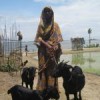
BANGLADESH: Women Raise Own Funds for Microfinance
Amidst despair and poverty, women in some remote villages of Bangladesh are raising money and lending it to each other through a unique microfinance programme launched by a local non-government organisation.Minority Women Fight Back Against Mistreatment
Women in minority and indigenous communities are especially vulnerable to wide-ranging forms of violence, abuse and discrimination, according to a new report released Wednesday by Minority Rights Group International (MRG), a human rights group that works on behalf of minorities and indigenous peoples.« Previous Page — Next Page »


Women make up half the world's population, but don't nearly share half of the world's wealth, well-being and opportunity. Two-thirds of the world poor are women, disproportionally exposing women to precarious living conditions, disease and unmitigated natural disasters. The media, meanwhile, remains a male-dominated sector in much of the world, contributing to women's voices lacking a crucial amplifier to put their concerns on political agendas and unleash the development potential of their ingenuity. Rather than then stereotypical victims of local and global forces, women are also organizer, innovators, conservators and community builders. These are some of their stories.

The Week with IPS

NEXT STOP - SDGs
Tracking global progress towards a sustainable world
Tracking global progress towards a sustainable world
