Languages
Friday, November 20, 2026



News and Views from the Global South
Gender
CENTRAL AMERICA: Progress for Women’s Rights More Impressive on Paper
After protracted battles, women in Central America and southern Mexico have made headway in winning respect for their rights over the past decade, but the progress has been more formal than real, say women academics and activists.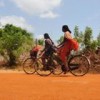
SRI LANKA: Conflict Gives Way to Hardship
Like many Sri Lankans, Kandiah Selvadurai measures the improvement in his life by the amount of money he spends on essentials. When basic goods were scarce more than two years ago, he paid dearly for them. These days, he buys them for a tiny fraction of what they used to cost.MIDEAST: Women on a Political Backslide
Following five months of bitter political wrangling, Lebanon’s Prime Minister Najib Mikati finally announced a new government in mid-June. But while many Lebanese feel relieved over the long overdue appointments, gender equality campaigners despair that there is not a single female among 30 ministers appointed to the new Cabinet. It has further ruffled activist feathers that this glaring omission has failed to elicit the condemnation they are demanding.THAILAND: Rural Folk Pave Way for First Female PM’s Landmark Win
Across villages, towns, and cities in northeast Thailand, a mood of political empowerment is bursting to the surface, with people gathering in groups since Sunday evening to celebrate political history. After all, they helped put Yingluck Shinawatra on the road to becoming the country’s first female prime minister.BAHRAIN: Rifts Weaken Women’s Protest
Women activists in Bahrain have acknowledged their poor showing in the recent unrest as well as in efforts to fight sectarianism, and blamed it on rifts within their organisations.
Women Keen to Ease Greenhouse Effect on Their Ability to Provide
A successful entrepreneurial programme in the north of Namibia that infuses farming practices with gender-responsive environmentalism may serve as a model for other countries on the African continent.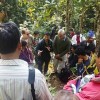
NEPAL: Women Grow Carbon Money on Trees
When Bina Tamang was told that she could earn money by not felling trees in the tiny forest that serves as the source of fuel and fodder for 65 families in her area, the 27-year-old was incredulous.FILM: So Much More Than Just ‘Trafficked Women’
Mimi Chakarova had one simple objective in filming 'The Price of Sex,' her award-winning documentary about sex trafficking in Eastern Europe: "I'm trying to reach millions of people," she told IPS. "It's kind of a big goal to have."MIDEAST: Dancing in a Palestinian Bubble
It’s Thursday night, the beginning of the weekend in the Muslim world, and time to party and let one’s hair down in Ramallah, the occupied West Bank’s isolated bubble and de facto capital.Strauss-Kahn’s Accuser Doubly Vicitimised, Advocates Say
Despite questions about her credibility, the Sofitel maid who is accusing former IMF chief Dominique Strauss-Kahn of sexual assault is still a victim and should be treated as one, according to her attorney.
BRAZIL: Rainbow of Colours and Gender Equality at Innovative School
In the last three years there have been no teen pregnancies among the youngsters at Casa do Zezinho, an extracurricular educational and cultural facility in Brazil attended by 1,500 children and young people from favelas or shantytowns on the south side of São Paulo.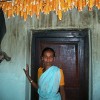
INDIA: ‘Seed-Mothers’ Confront Climate Insecurity
In eastern Orissa state’s tribal hinterlands about 200 ‘seed-mothers’ are on mission mode - identifying, collecting and conserving traditional seed varieties and motivating farming families to use them.NORTH KOREA: On Sale, Girls Look for Chinese Husbands
North Koreans have increasingly been crossing into the northern border cities of China, with women outnumbering men. "Women represent about 70 percent of some 200,000 North Koreans who fled from North Korea into China in the past few years," Kim Tae Jin, a North Korean defector who leads a nongovernment organisation to protect the human rights of fellow North Koreans tells IPS.
ZAMBIA: “Every Year Flooding Makes This Place a Little Hell”
During the rainy season, and many weeks afterwards, home is never the best place to be for Miriam Banda. Until the end of 2008, she enjoyed living at her house in Kanyama, a high-density settlement bordering the central business district in Lusaka, Zambia's capital.
U.N. Women’s Agency Being “Strangled at Birth”
When the United Nations inaugurated a landmark special agency for women last January, Secretary-General Ban Ki-moon set an initial target of 500 million dollars as the proposed annual budget for the new gender-empowered body.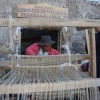
PERU: Indigenous Women Weave New Community Ties
Fuchsia, green and turquoise yarn shuttles swiftly across the wooden loom Dora Huancahuari has learned to use. Together with other craftswomen, she has started a small weaving business which is helping to rebuild their lives in this remote, poverty-stricken Andean community torn by Peru's history of armed conflict.
ARGENTINA: Shedding Light on Dictatorship’s Sex Crimes
It's been nearly three decades since Argentina's 1976-1983 military dictatorship came to an end, but the sex crimes committed against political prisoners are just now starting to draw more attention, after being pushed into the background in human rights trials.
UGANDA-HEALTH: When Women Go Without Needed Contraceptives
When the monthly contraceptive injection that Bernadette Asiimwe, a mother of four, got from government health centres in western Uganda was out of stock for weeks, she fell pregnant with her fifth child.
Q&A: Re-Electing Fernandez ‘Would Consolidate the Country Our Children Wanted’
A second term for Argentine President Cristina Fernández would make it possible to continue ushering in the changes "we want and that our children wanted" when they were forcibly disappeared or murdered during the 1976-1983 dictatorship, said longtime human rights champion Estela de Carlotto.
Gender Indicators for Global Climate Funds Still an Afterthought
Of the millions of dollars spent on climate change projects in developing countries, little has been allocated in a way that will benefit women. Yet, in Africa, it is women who will be most affected by climate change.
PAKISTAN: Schools Rise From the Rubble
Violence in the tribal areas of northwest Pakistan has kept students away from school, in some areas for at least two years. Now, officials are trying to make up for lost time by holding classes even under tents or trees.« Previous Page — Next Page »


Women make up half the world's population, but don't nearly share half of the world's wealth, well-being and opportunity. Two-thirds of the world poor are women, disproportionally exposing women to precarious living conditions, disease and unmitigated natural disasters. The media, meanwhile, remains a male-dominated sector in much of the world, contributing to women's voices lacking a crucial amplifier to put their concerns on political agendas and unleash the development potential of their ingenuity. Rather than then stereotypical victims of local and global forces, women are also organizer, innovators, conservators and community builders. These are some of their stories.

The Week with IPS

NEXT STOP - SDGs
Tracking global progress towards a sustainable world
Tracking global progress towards a sustainable world
