Languages
Thursday, October 1, 2026



News and Views from the Global South
Gender
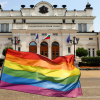
New Bulgarian LGBT+ Law Marginalizes Communities, Rights Groups Warn
A law banning the portrayal of LGBT+ identities in Bulgarian educational institutions is just the latest piece of repressive legislation in a wider assault on minorities and marginalized communities across parts of Europe and Central Asia, rights groups have warned.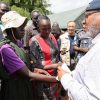
In the Midst of Hostilities Hunger Escalates in Sudan
The ongoing humanitarian crisis taking place in Sudan, which is a result of the civil war that began last year, continues to escalate as hunger and displacement plague the population, according to spokesperson for the Secretary-General of the United Nations, Stéphane Dujarric, during a press briefing on August 21, 2024.
Clean Energy Boosts Autonomy for Brazilian Women Farmers – VIDEO
 A community bakery, family production of fruit pulp, and the recovery of water springs are some of the initiatives of the Energy of Women of the Earth, organised since 2017 in the state of Goiás, in central-western Brazil.
Rohingya Refugees Must Not Be Forgotten
Seven years ago, a brutal campaign of violence, rape and terror against the Rohingya people ignited in Myanmar’s Rakhine State. Villages were burned to the ground, families were murdered, massive human rights violations were reported, and around 700,000 people – half of them children – fled their homes to seek refuge in Bangladesh.
Absence of Reproductive Care Haunts Syrian Displaced Women
Pregnant women in northern Syria's camps for internally displaced people fear about their health and the health of their unborn children because of a lack of basic medical care and a healthy diet. These conditions exacerbate the illnesses and challenges faced by women, particularly amid the region's widespread poverty, food insecurity, and the remoteness of hospitals and health centers from the camps.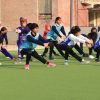
Climate Change Poses Yet Another Stumbling Block for Pakistani Sportswomen
Goalkeeper Rehana Jamali, 17, is jubilant. Her team came in second in the All Sindh Women Hockey Tournament, held last month.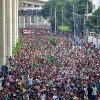
Does the Uprising in Bangladesh have Similarities with Arab Spring?
“I hope the outcome [of the recent revolution in Bangladesh] would be different. I hope the end result will not be the same,” says Shireen Huq, women’s rights and human rights activist and Founder of Naripokkho organization, to IPS about the many similarities with the Arab Spring.
Gender Equality Has Everything To Do with Climate Change
After years of reporting on the frontlines of climate change, I have witnessed the devastating impact extreme weather events have on women and girls. In Kenya’s pastoralist communities in far-flung areas of Northern Kenya, West Pokot, Samburu and Narok counties, droughts mean a resurgence in harmful cultural practices such as outlawed female genital mutilation (FGM), beading and child marriages.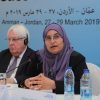
Yemen Crisis Brings Small Reprieve for Entrepreneurial Women
Once upon a time, the Sheba (Seba’a) Kingdom (today’s Yemen) had a prominent queen. Women, in the presence of men, were held in a higher position, literally.
Empowering Women for a Green Future: AFPPD Conference Tackles Climate Change and Gender Equality
Robust data collection, integrated policies, and an accelerated push towards a green economy with a gender focus topped the agenda at a conference in Islamabad, Pakistan, that brought together policymakers, experts, and advocates from across the Asia-Pacific region.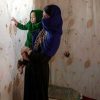
The Plight of Women Three Years after Taliban Takeover in Afghanistan
I’ve just come back from the north of Afghanistan. I asked the women I met what they want the world to know about their lives. One woman, Nasima told me: “I was married at 16. I couldn’t finish school. My hope was that my daughter’s life would be better. Now I’m worried her life is going to be worse. To those who are still listening to our voices, please help us fight for our freedom.”
Water Stories: The Well Seven Families and 400 Buffaloes Rely On
In the rural village of Khardariya in the Dang district of Nepal, access to clean water is a major issue. Villagers depend on one poorly managed well for drinking water, cleaning, and feeding livestock. Anjana Yadav stood near the well while a neighbor walked toward it to fetch a bucket of water.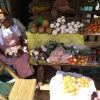
What Potential Do Gender Bonds Have For Increasing Financing For Gender Equality?
Iceland’s gender bond last month caused great excitement in the capital markets community. While gender bonds have been increasing in popularity within the private sector, Iceland is the first country to issue a sovereign gender bond. Many in the development community are however asking, are gender bonds the solution to financing for gender equality?
Chilean Fisherwomen Seek Visibility and Escape from Vulnerability
The number of organisations that bring together fisherwomen who seek to be recognised as workers, make their harsh reality visible and escape the vulnerability in which they live is growing in Chile.
How Women Volunteers Are Shaping India’s Water Future
“Daily squabbles at the lone water point in Bhubaneswar’s slums, where hundreds of households depended on this single non-potable water source, have now receded into the past,” says Aparna Khuntia, a member of a large cohort of water volunteers who have played an important enabling role in ensuring households in the eastern India city now have their own on-premises potable running tap water available all 24 hours.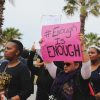
Femicide and Reproductive Violence Harm African Women, Girls
International African Women’s Day on July 31 recognizes the contribution of African women toward political, social, and economic freedom on the continent. But gender equality is still not a reality for most African women.
The Price Women Pay for Climate Change
Global warming, widely believed to be a universal crisis, will actually impact girls and women far more than boys and men. It is already known that we live in a patriarchal world, one in which men are afforded far greater opportunities for success while women generally hold less societal power and have access to fewer resources. This especially pertains to developing countries in which agriculture related work, usually delegated to females, depends on a variety of environmental factors and subsequently, significantly hurts their livelihoods.
Harris Is Best-Positioned to Lead the Way
Within the Democratic field, no potential candidate for president is better-positioned, at this juncture, to defeat Trump more skillfully and pointedly than Kamala Harris. She is writing a new chapter in American history that will chart a new national course impacting future generations.
Left with Few Options: Afghan Women Turn to Risky Online Jobs Amid Taliban Ban
The Taliban's total ban on women’s employment in Afghanistan leaves few options for earning a living. Nevertheless, Afghan women are carving out niches in online business with sheer determination and perseverance.
Parliamentarians: Active Aging Enhanced By Using Artificial Intelligence
With projections that by 2060, over 1.2 billion people in Asia will be 65 or older, and by adopting technology, including artificial intelligence technologies, it is possible to plan for active and fulfilled aging, lawmakers attending a regional meeting on Aging Preparedness and Care Economy in Asia heard.
Zimbabwe Needs Awareness, Advanced Tech to Beat Cancer
Earlier this year, then 46-year-old Lydia Musundiwa, based in the Zimbabwean capital Harare, was diagnosed with colon cancer, which, already at an advanced stage, killed her in less than two months. Now, Landeni, her 49-year-old widower, has to contend with the burden of looking after their three children single-handedly.« Previous Page — Next Page »


Women make up half the world's population, but don't nearly share half of the world's wealth, well-being and opportunity. Two-thirds of the world poor are women, disproportionally exposing women to precarious living conditions, disease and unmitigated natural disasters. The media, meanwhile, remains a male-dominated sector in much of the world, contributing to women's voices lacking a crucial amplifier to put their concerns on political agendas and unleash the development potential of their ingenuity. Rather than then stereotypical victims of local and global forces, women are also organizer, innovators, conservators and community builders. These are some of their stories.

The Week with IPS

NEXT STOP - SDGs
Tracking global progress towards a sustainable world
Tracking global progress towards a sustainable world
