Languages
Monday, November 23, 2026



News and Views from the Global South
Global

Busan Skirts Gender Equality
Gender champions have lauded the Fourth High Level Forum on Aid Effectiveness for providing gender equality and the empowerment of women a special session, but there is dissatisfaction with Thursday’s Busan outcome document.Inclusiveness Wins at Busan Aid Forum
Inclusiveness was the winner as donors, recipient governments, emerging economies, multilateral lenders and civil society representatives hammered out a consensual document at the close of a major meeting in this South Korean city to boost development aid effectiveness.For Big Financial Institutions, Profit Trumps Women’s Rights
This year, for the first time, the World Bank dedicated its 2012 annual flagship World Development Report to women as indispensable players in the global economy and launched a media campaign to "think equal".To Women’s Rights, Financial Institutions Pay Lip Service Only
On day seven of "the 16 days of activism to end violence against women" campaign, women's rights organisations around the world are asking what the biggest international financial institutions (IFIs) are really doing to protect women's rights, which are under daily assault.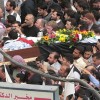
Syrian Leader Survives on Unrelenting Russian-Chinese Support
Bashar al-Assad, Syria's beleaguered president, has openly defied the Western world, succeeded in splitting the United Nations Security Council and fractured the League of Arab States - even as it imposed unprecedented economic sanctions against his embattled country.
Political Will – and Money – Needed for Disaster Management
Managing the impact of increased disasters due to climate change will only be possible if such efforts are led by local communities, say non-governmental organisations working in climate change.
Observing Deforestation from Space
Global climate change can now be observed from space. The United Nations Food and Agriculture Organisation (FAO) launched a new technology that can survey the world’s forests via satellites and provide a more accurate, global picture of common threats to the environment, such as deforestation, degradation or illegal logging.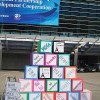
Lessons for Africa at Busan Aid Forum
There are many inspiring stories that delegates from Africa attending the ongoing Fourth High Level Forum on Aid Effectiveness can take home to provide insights to their respective countries on making the transformation to middle-income economies.Business as Development Tool
The idea of business as an effective development tool is gaining ground at Busan where hundreds of experts are gathered to charter a new chapter in global aid amidst growing political and economic uncertainty among donors.
Clinton Champions Gender Agenda at Busan
Women toil in the fields for most of their lives producing food and strengthening the largely agricultural economy of African countries, but when their fathers, husbands or older sons die, they are no longer welcome on land they may have tended for years.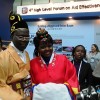
Aid Dependency on the Decline
Poor countries have depended on rich nations to supplement their sector budget without which millions of people would have continued to live in abject poverty. Have the years of funding made these countries any less dependent?
Forest-Dependent Communities Lobby for End of REDD+
Organisations working with indigenous peoples living in forests say the United Nations programme on Reducing Emissions from Deforestation and Forest Degradation in Developing Countries (REDD+) is just another way for big corporates to reap huge profits.
‘Nothing at Busan for African Women, Children’
Although there has been considerable progress towards reducing maternal and infant mortality, millions of women and children in Africa are still in need of better health services, food and sanitation.‘Accountability Vital in Improving Aid Effectiveness’
Key actors meeting in Busan on Tuesday, the first day of the Fourth High Level Forum on Aid Effectiveness (HLF4), lay emphasis on inclusive ownership, mutual accountability and the platform of the groundbreaking 2005 Paris Declaration.
“God Wants Us to Live in a Garden, Not a Desert”
The European Union plan to save the Kyoto Protocol may meet its greatest obstacle in the developing world.
Q&A: Why Africa Must Remain United in Durban
African leaders have urged the international community to move the United Nations climate change negotiations, which started in Durban, South Africa on Monday, to a different level, and to prioritise adaptation for the continent.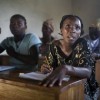
Global Fund for Education Gathers Momentum
If the international community can successfully raise billions of dollars to fight deadly diseases, why not a similar fund to promote education, asks Gordon Brown, former British prime minister.
South Outdoing North in Fight against Global Warming
The claims of some industrialised nations, which accuse the developing countries of not doing their share to curb emissions that contribute to climate change, are proven false in studies conducted by respected academic institutions.
Q&A: ‘New Donors Can Help Farming Sector’
Rising food prices, natural disasters and an energy crisis that is turning wheat into ethanol instead of bread have raised the spectre of inadequate global food supply that hits the poor. This grim reality has finally turned the spotlight on agricultural aid and its link to development effectiveness.
EUROPE: Developing Nations Lose Billions to Multinational Tax Dodging
Not corruption but multinational tax dodging is the main reason why developing nations stay aid-dependent, says a new report. And while new proposals by the European Commission try to tackle the problem, they turn a blind eye towards tax havens.
AFGHANISTAN: Fears of Being Left in the Cold after Troop Pullout
With the majority of international troops expected to withdraw over the next three years, there are growing doubts over donors' commitments to continue to support Afghanistan, one of the poorest countries in the world.« Previous Page — Next Page »


The Week with IPS

NEXT STOP - SDGs
Tracking global progress towards a sustainable world
