Languages
Tuesday, November 17, 2026



News and Views from the Global South
Health

The COVID-19 Cash Crisis: Will the UN Cease to Exist?
The coronavirus pandemic has set off an unprecedented institutional crisis at the United Nations – funds are drying up, key meetings are cancelled and the world body is fighting for its future.
India’s Liberal Abortion Law, Nullified by Social Stigma
Arti Zodpe is from the Tamasha (folk dance-drama) theatre in Sangli, in India’s Maharashtra state. After evening performances, some of the singers and dancers offer sex work services to the audience.
Vietnam Winning New War Against Invisible Enemy
Vietnam, just south of coastal China, is the 15th most populous country in the world with 97 million people.According to its Ministry of Health (MoH), as of 13 April, there were 262 confirmed cases of COVID-19, with 144 recovering or discharged from hospitals, and no deaths.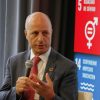
Q&A: How to #BeActive during COVID-19 Lockdown
Growing up in Ramallah in Palestine, Maher Nasser, Director of Outreach Division at the United Nations Department of Global Communications, never really liked running. "I only ran when I needed to: to catch a bus or to run from soldiers," he tells IPS. But now with three marathons under his belt -- which raised thousands for scholarships for Palestinian women’s education -- Nasser is still running, albeit on his balcony.
Debunking 9 Popular Myths Doing the Rounds in Africa About the Coronavirus
In the second week of March the World Health Organisation (WHO) declared COVID-19 a pandemic. By mid-March the disease had spread rapidly in many countries around the world.
Unesco to Support Cultural Sector Hit by COVID-19
The United Nations Educational, Scientific and Cultural Organization (UNESCO) has announced it is “launching initiatives” to support cultural industries and cultural heritage, sectors hit hard by the COVID-19 pandemic. “COVID-19 has put many intangible cultural heritage practices, including rituals and ceremonies, on hold, impacting communities everywhere,” the organization stated April 9. “It has also cost many jobs, and across the globe, artists … are now unable to make ends meet.”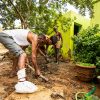
How Can We Support Sanitation Workers During COVID-19?
In addition to healthcare professionals, there is another group of people at the frontlines of the global crisis caused by COVID-19. They put their lives at risk every day and play a critical role in preventing the spread of the virus, by ensuring our streets, parks, public spaces, sewers, septic tanks, communities, and public toilets are kept clean and hygienic.
Few Clinical Trials are Done in Africa: COVID-19 Shows Why this Urgently Needs to Change
The World Health Organisation (WHO), in its quest to find efficacious therapies to treat COVID-19, plans to conduct a multi-arm, multi-country clinical trial. The trials have yet to begin, but ten countries have already signed up. Only one of them, South Africa, is on the African continent.The Declaration of the Human Solidarity Initiative Against the Coronavirus Pandemic
We find this to be a difficult time in the history of humanity. COVID-19 has brought about ever-increasing tragedies of death and deprivation all the while inflaming our social and economic problems. The time has come to form a humanitarian consensus – strong and active – to face the challenges and dangers that threaten humankind and its future onour small planet.
Gender and COVID-19: Where Can Research Help?
As of April 8, there have been 1.5 million reported cases of coronavirus and over 83,000 deaths. Most of these deaths are of men. Italy, for example, has so far had 71 percent of all case deaths attributed to men while Spain, another major global hotspot, has seen 65 percent of all deaths being men.
UN and Partners Request $267.5 Million to Respond to Humanitarian Needs Arising from COVID-19 Pandemic in Kenya
The Government of Kenya, the United Nations and humanitarian partners have launched today a Flash Appeal requesting $267.5 million to respond to the most immediate and critical needs of10.1 millionpeople.
COVID-19 and Hope for a Compassionate Future
The Coronavirus, COVID-19, makes its deadly round across the world. People fall sick and die, communities and entire nations end up in its deadly grip and try to cope with it. Everything is changing, and changing fast and we all have to deal with it together, even if many of us are being physically apart. Humans are social beings. Our mental and physical capacities are created around that fact and crave for support and compassion.
Kerala Covid-19 Response Model for Emulation
Within weeks, the Covid-19 epidemic was classified by the World Health Organization (WHO) as an epidemic of international significance, triggering a pre-agreed WHO response. By the end of the first week of April, more than 1.3 million people had been confirmed as infected, with over 65,000 deaths across the world.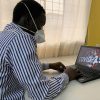
10 Ways Young People are Leading the Way Against COVID-19
As the world grapples with unprecedented challenges posed by the COVID-19 pandemic, young people are demonstrating their continued leadership in their communities and countries. According to a new UN plan to address COVID-19, young people are some of the most affected by the pandemic’s socio-economic impacts. Nevertheless, youth are also among the most active in global responses: Not only are they on the frontlines as health workers, but they are also advancing health and safety in their roles as researchers, activists, innovators, and communicators. As such, decision-makers must commit to ensuring youth voices are part of the solutions for a healthier, safer, and gender-equal world.
Alive Amidst the Mayhem of COVID-19 – A Sex Worker’s Story
For a Bangladeshi woman, who has worked as a sex worker since childhood, her future post-COVID-19 looks hopeless. Shilpy, who works at Daulatdia, the largest brothel in the country, told IPS how she now also fears for the future of her two daughters.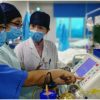
Covid-19 & its Impact on the Work of Disarmament
Humanity has faced no challenge greater than COVID-19 since the Second World War. As this rapidly developing global health emergency places unprecedented strain on our medical, economic and social systems, we must work hard to prevent new risks for instability, unrest and conflict.
The Fierce Urgency of Now
We are living in a crisis unprecedented since World War II: COVID-19. The pandemic brutally sweeps across the globe, where we already face a massive global learning crisis and multiple brutal humanitarian crises. How much more can those left furthest behind in forced displacement and armed conflicts take?
Helping the homeless of Rome combat COVID-19
Behind the Tiburtina Station, in the East of Rome, with just a small covered area protecting from the inclemency of the weather, sleeping close to each other is the only way to stay warm. A boy of Ivorian origin is alone, far from everyone, in the centre of the sidewalk, exposed to a freezing wind.
The old normal is ending
The Covid-19 pandemic is still having severe impacts on many countries and it is not at all clear how long it will take to play out globally. However, the scale and rapidity of the crisis has already revealed a number of aspects of the global economy and governance that we used to think were unchangeable realities. After the crisis is finally over, we will be faced with a fork in the road. One path will be to try to go back to business as usual as it was before the pandemic. The other path is an opportunity to forsake the "business as usual" model as no longer fit for purpose and move towards a completely different, and indeed much better, future. However, the decision on which path we want to choose will be made now and every decision we make is important in choosing which future pathway we will be on.
What Journalists Should Know About Coronavirus Cellphone Tracking
Governments all over the world have been considering cellphone surveillance to help track and contain the spread of the coronavirus.
Asia-Pacific Response to COVID-19 and Climate Emergency Must Build a Resilient and Sustainable Future
The unprecedented public health emergency triggered by the COVID -19 pandemic and its multi-faceted impact on people’s lives around the world is taking a heavy toll on Asia and the Pacific. Countries in our region are striving to mitigate the massive socioeconomic impact of the pandemic, which is also expected to affect the region’s economic health. In its annual Economic and Social Survey of Asia and the Pacific 2020 launched today, the United Nations Economic and Social Commission for Asia and the Pacific (ESCAP)expectsgrowth in Asia-Pacific developing economies to slow down significantly this year.« Previous Page — Next Page »


 Bangladesh: Sarid, born one month early, receives specialized newborn care and grows stronger every day. Credit: UNICEF/UNI944397/Mojumder
Since the onset of the 2000s, global life expectancy has seen an overall rise, attributed to significant technological and scientific innovations in healthcare. Due to an increased understanding of different conditions as well as a rise in cooperation among healthcare experts around the world, there have been major strides made in ensuring that as few people die from chronic illnesses as possible. Despite the belief that healthcare is a fundamental human right, people from low- or middle-class backgrounds, marginalized groups, and underdeveloped countries have far more limited access to basic healthcare services.
The COVID-19 pandemic showed how marginalized communities are disproportionately affected by health crises, proving that we have much work to do in ensuring that no one dies of terminal conditions. While the global response to the coronavirus saw significant strides in immunization and vaccine development, the global outbreak of mpox in 2022 and its upsurge in parts of Africa in 2024 must remind us to remain vigilant.
Other major disease outbreaks in recent years have been linked to the destruction of infrastructure during warfare. Notably, in 2024, the Gaza Strip witnessed a return of the poliovirus since its eradication in the region 25 years ago. Israel’s blockade on Gaza has resulted in the collapse of the region’s sewage plants and desalination plants, and also destroyed healthcare capacities. The UN stated that this lack of clean water and sanitation would lead to an outbreak of cholera and other deadly infectious diseases. The 2026 OCHA Humanitarian Situation Report confirmed that the over two years of conflict in Gaza has produced a catastrophic health emergency, with millions remaining dependent on relief aid amid tight restrictions and no functioning public health system.
IPS is committed to providing full and comprehensive coverage on healthcare challenges around the world. IPS seeks to address the multifaceted causes of such challenges, including unprecedented pandemics, conflict-driven disease outbreaks, as well as socioeconomic barriers to equal healthcare access. IPS is also dedicated to reporting on innovations in the healthcare industry.

The Week with IPS

NEXT STOP - SDGs
Tracking global progress towards a sustainable world
Tracking global progress towards a sustainable world
