Languages
Friday, October 9, 2026



News and Views from the Global South
LGBTQ
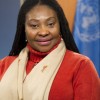
Q&A: “It’s Time to Wage War on Homophobia”
For more than two decades, the internationally beloved singer and human rights activist Yvonne Chaka Chaka has been at the forefront of the South African pop music scene.
Cambodian Activists Challenge ASEAN Policies
For a brief moment last month, mainstream international media turned the spotlight on Cambodia, one of the world’s 48 least developed countries (LDCs), as a high-level visit from U.S. President Barack Obama and the annual summit of the Association of Southeast Asian Nations (ASEAN) gave this country of 14.3 million people a glamorous edge.
Uganda’s “Kill the Gays” Bill Spreads Fear
Gay activist Gerald Ssentongo of Uganda is afraid to talk openly about his cause. Not only that, but he is terrified of being “caught” socialising with gay people and only meets his friends at night in out-of-reach places.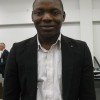
Q&A: Combating Gay Stigma Critical in Fight Against AIDS
As the international community comes together on Dec. 1 to celebrate World AIDS Day, a new report from UNAIDS reveals that while significant progress has been made in preventing and treating HIV/AIDS, stigmatisation, violence and discrimination against members of the gay community continue relentlessly. [caption id="attachment_114719" align="alignright" width="300"]
Anti-gay Stigma Hinders Bid to Lower Côte d’Ivoire’s HIV Rate
When Emmanuel Kokou, a 28-year-old sex worker, moved from his native Togo to Abidjan, Côte d’Ivoire in 2010, he knew there was a good chance that he had previously been exposed to HIV. But he had no intention of getting tested.
Justice Lost in Mongolia’s Prisons
Tucked away from the scrutiny of civil society, Mongolia’s jails epitomise the limits of democracy in this county of 2.8 million people, where marginalised members of society often bear the brunt of a corrupt and under-resourced justice system.
Victories for Marijuana Legalisation, Same-Sex Marriage at U.S. Polls
In addition to the victories of the Democratic Party in retaining the presidency and the U.S. Senate, and of the Republican Party in retaining the U.S. House, there were major issue-related victories in Tuesday's election whose common threads are personal liberty and human rights.
Kenyan Candidate Running Against Homophobia
During an interview at the Hilton Hotel in downtown Nairobi, David Kuria Mbote, Kenya’s first openly homosexual candidate for public office, stresses that his campaign will not be only about gay rights.
Q&A: Tracing Hate Crimes to the Fear of the “Outsider”
Donald P. Green is a U.S. professor of political science who turns theories about hate crime upside down with his research.Fresh Research on HIV Urges New Approach to Gay Men
Unlike the flattening or even declining rates of HIV infection among nearly all other communities, the epidemic among gay men globally is rapidly expanding.
Criticism of Uganda’s Government Leads to Harassment of NGOs
In the face of rising public criticism over a range of controversial political manoeuvres, the Ugandan government has become increasingly hostile to the work of non-governmental organisations, particularly those advocating for the rights of the lesbian, gay, bisexual and transgender community, according to a new report from Human Rights Watch.
How a Gay Rights Maverick Helped Topple Iceland’s Govt
By the time the political climate in Iceland was ripe for the Cutlery Revolution, Hörður Torfason was already well practiced at stirring things up.Caribbean Sees Progress on HIV/AIDS, Fears Funding Cuts
Ian McKnight, executive director of the Caribbean Vulnerable Communities Coalition (CVCC), used one word - “tokenistic” - to sum up his perspective on the 19th International AIDS Conference that ended here over the weekend.AIDS Meet Ends with Talk of Cure, But Realities of Scourge Persist
As the International AIDS Conference ended in Washington on Friday, organisers unveiled groundbreaking new research on the promise of early anti-retroviral (ARV) drug therapy.
Silenced by U.S., Sex Workers Speak from Kolkata
Bare-chested and beaming in the company of many like him, London-based male sex worker Thierry Schaffauser wipes the beads of sweat trickling down his face on a humid Kolkata evening, and slams U.S. President Barack Obama.
Protesters: Free Trade Deals, Drug Patents Derail AIDS Fight
As the nineteenth International AIDS Conference continued in Washington Tuesday, thousands of protesters marched on the White House with a set of demands to end the epidemic.
U.S. Aims for AIDS-Free Generation Amid Funding Cuts
As more than 20,000 health workers, scholars and activists from around the world gather here this week for a major biannual AIDS conference, observers are warning that U.S. government proposals to cut HIV/AIDS-related funding could undermine the significant potential to deal a decisive blow to the disease in the near future.U.S.: Police Treat Condoms as Contraband, Rights Group Says
How many condoms is it legal to carry around in your pocket? That’s the question sex workers in the United States are asking after being routinely targeted by police for having prophylactics – not in itself a crime.
Caribbean Moves to Protect Rights of HIV-Positive Workers
Thirty years into the HIV and AIDS epidemic, Caribbean countries are slowly putting necessary legislation in place to ensure the rights of workers despite their HIV/AIDS and chronic disease status.
67 Minutes of Shame on African Icon Nelson Mandela’s Birthday
Wendy Hlophe* is still visibly grieving for her long-term friend, 28-year-old Sanna Supa, who was shot and killed outside her home in Braamficherville, a South African township, two weeks ago.
Archaic Laws Stymie HIV/AIDS Work in Sri Lanka
Sri Lanka has long enjoyed a low 0.1 percent HIV prevalence but, as the number of fresh infections rises steadily, experts are calling for a change in the country's archaic laws that make sex work illegal and criminalises homosexual activity.« Previous Page — Next Page »





Although progress towards respect for sexual diversity has been made in a number of countries and in international law, in many parts of the world, lesbians, gays, bisexual and transgender (LGBT) people face serious threats to their life and liberty. Even in countries where legislation recognising the rights of sexual minorities has been passed, discrimination and social stigma are widespread.

The Week with IPS

NEXT STOP - SDGs
Tracking global progress towards a sustainable world
Tracking global progress towards a sustainable world
