Languages
Thursday, November 26, 2026



News and Views from the Global South
Human Rights

Rural Water Projects Depend on Women
During the dry season, when dirt roads are cracked from the relentless heat, the sight of women walking miles, balancing pots of water on their heads, is common in rural Sri Lanka.
Obama Misses Opportunity to Stem Gun Flow to Mexico
Unveiling the most extensive gun control proposal in generations, U.S. President Barack Obama on Wednesday signed nearly two dozen executive orders and called on the U.S. Congress to enact a legislative package to blunt the country's growing trend of gun violence.
Challenges Dog Community Radio, Finally on Air in El Salvador
For the first time in El Salvador, a community radio is broadcasting under its own licence. The struggle continues, however, for legislative change that will give these kinds of broadcasters more airspace.
Iraqi Women Seek a New Liberation
From full literacy declared in the seventies, Iraq is down to 40 percent literacy for women. From the first woman prime minister and the first woman judge in the Middle East in 1959, Iraq has slipped to a place where an abnormal number of widows struggle, and where child marriages are on the rise. Hanaa Edwar is putting up a fight to win Iraqi women their freedoms again.
The Ugly Face of Street Justice in Sierra Leone
On a steamy, starless night in Sierra Leone’s capital, Freetown, a teenager runs desperately down a potholed street before being violently brought to the ground by a bystander. As word spreads that a thief has been caught, young men come running from all directions.
Digging for Water, But Striking Oil
The volatile politics of the Middle East have long been dominated by the fluctuating fortunes of a single commodity: oil.
Kurdish Rights Back in Focus in Turkey
After over a year without accountability for a Turkish aerial bombing that killed 34 Kurdish men and boys, Turkey has come under heavy criticism for what many say is a widespread culture of impunity, especially when it comes to the treatment of its Kurdish citizens.
Syrian Refugees Face Storms With Cardboard
Zuhur al-Khalaf is eight months pregnant and lives in a one-room shack in northern Lebanon with her husband and five children. The cloth walls and cardboard roof have become sodden and musty after heavy storms this past week, and two of the children are suffering from fevers and chest infections.Despite Immigration Reform, Travel Still Tricky for Cubans
Maria Lourdes, a Cuban, has two passports, one from the island and another from Spain, but until now traveling was only a dream.
U.S. Prepares Support for French Military Intervention in Mali
U.S. Secretary of Defence Leon Panetta has applauded France's surprise airstrikes on Islamist rebels in northern Mali that began late last week and continued over the weekend.Hugo Chavez and Colombia’s Peace
Colombia has suffered an internal armed conflict for so many decades that it almost amounts to a "forgotten crisis" for external donors. But the president of neighbouring Venezuela, Hugo Chavez, is well aware of the conflict, and understands that it destabilises Latin America, where centre-left governments proliferate.
A Hundred Killed, A Community Cornered
"I want justice,” says Shukria Jamali, 20. “But I wouldn't want my worst enemies to feel the intense pain I am feeling now."
Alternative Media Fights Back in Argentina
Sustained by editors and readers convinced that another kind of communication is possible, independent magazines are growing and strengthening in Argentina, offering a view different from the mainstream media coverage of political, cultural and advocacy issues.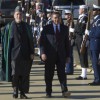
Obama to Accelerate Handover to Afghan Army
President Barack Obama announced Friday that U.S. forces will accelerate the transfer of primary security responsibilities to their Afghan counterparts and take on an exclusively support and training role beginning this spring.U.S. Urged to Stem Broader Ethnic Violence in Myanmar
Worried over the possibility of further escalation of armed conflict in Myanmar, activists here are calling on Washington to take stronger action to condemn state forces for aerial bombardment of ethnic Kachin rebels and civilians in the country’s north, which some say constitutes crimes against humanity.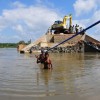
Experts Fear Collapse of Global Civilisation
Experts on the health of our planet are terrified of the future. They can clearly see the coming collapse of global civilisation from an array of interconnected environmental problems.Fighting for a Future in Rio’s Toughest Neighbourhoods
Teachers at a local primary school here, the Escola Municipal IV Centenário, are trained to help their pupils find cover in case of gun battles.
In Haiti, Aid Dollars Corroded Social Fabric
A World Bank-funded community development project in Haiti appears to have inadvertantly harmed or even dissolved some of the grassroots organisations it was designed to strengthen.
Netanyahu Suffers From Being Too Popular
“We feel like we finally live a normal life in a normal country,” marvelled a popular radio host. Normalcy – this rare appreciation by Israelis of the privilege to indulge in small talk about the stormy weather that’s wreaked the whole region – is so abnormal here.
Morphine Kills Pain but its Price Kills Patients
It took Gily Ncube’s daughters two weeks to sell enough chickens to raise the 18 dollars needed to buy the morphine tablets their mother takes every four hours.
People Pay for Research Against Migrants
Publicly funded research is paying towards security systems that the EU is inviting major multinationals to put together to keep unwanted migrants out.« Previous Page — Next Page »


One world, one humanity, now one court to defend its rights. Another step towards universal human rights, but not remotely a step far enough. The United Nations adopted the Universal Declaration of Human Rights more than half a century ago, but that has done little to stop violations the world over, just as the Geneva Convention has not protected prisoners of war enough. Democracy itself and the freedom it presupposes has not been protective enough. This is the century to move from politicisation of human rights towards humanising political ways. IPS keeps an eye on that difficult path.

The Week with IPS

NEXT STOP - SDGs
Tracking global progress towards a sustainable world
