
Wednesday, September 23, 2026



News and Views from the Global South
Press Freedom

NYC Library Ditches Controversial Saudi Royal MBS’ Event
A New York library appeared to bow to pressure this week when it canceled an event that was being co-hosted by Saudi Arabia’s crown prince Mohammad bin Salman, who is accused of a range of human rights abuses.
Petition and Critics of Khashoggi Killing Heap Pressure on U.N.-Saudi Event
The United Nations faces growing public opposition to an event it is co-hosting with a Saudi Arabian charity only days before the anniversary of the murder of journalist Jamal Khashoggi.
Eritrea Tops Watchlist of World’s Most-Censored Countries
Eritrea has the world’s highest levels of censorship and the most active government in jailing reporters and stifling newspapers, radio and television, a study by the Committee to Protect Journalists (CPJ) watchdog says.
U.N. Criticised for Link-up with Saudi Prince MBS
The United Nations is under growing pressure to scrap an event it is co-hosting with the private foundation of Saudi Arabia’s crown prince Mohammad bin Salman, who has been linked to the killing of journalist Jamal Khashoggi.
To Silence a Poet, and a Nation: What Stella Nyanzi’s Conviction Means for Uganda
The conviction of Ugandan feminist and activist Dr. Stella Nyanzi for publishing a metaphorical poem about President Yoweri Museveni could have a chilling effect of freedom of expression, according to Dr. Peter Mwesige, co-founder of the Kampala-based African Centre For Media Excellence.
Tanzania Switches Track, Charges Kabendera with Economic Crimes
Prosecutors in Tanzania today charged freelance journalist Erick Kabendera with money laundering, tax evasion, and assisting an organized crime racket, according to a copy of the charge sheet. When he was detained on July 29, the Dar es Salaam police chief said at a press conference that police were investigating Kabendera’s citizenship status.
Tanzania Detains Freelancer Kabendera over ‘Citizenship’
The Committee to Protect Journalists today called on Tanzanian authorities to immediately release freelance journalist Erick Kabendera, whom police said is being investigated over his citizenship status.
**UPDATE**Investigative Journalist Erick Kabendera Arrested
Freelancer Erick Kabendera was reportedly arrested from his home in Mbweni, Dar es Salaam, Tanziana yesterday afternoon by unknown men.
Unidentified Men Take Erick Kabendera from Tanzanian Home
The Committee to Protect Journalists is concerned for the safety of investigative reporter Erick Kabendera who was forcefully removed from his home today, and called on Tanzanian police to disclose whether they have him in custody.
Human Rights Watch Disappoints on Human Rights
On 22 July 2019, Kenneth Roth published an article in Publico, Lisbon, entitled: “UN Chief Guterres has disappointed on Human Rights”.
Africa on Track Towards Information Black Hole
It is an image of resistance that went viral across the world. Alaa Salah, a young Sudanese student, dressed in a traditional white thobe standing atop a car with an enthralled crowd surrounding her as she and they boldly chanted Al-Thawra—Arabic for revolution.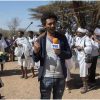
In Era of Reform, Ethiopia Still Reverts to Old Tactics to Censor Press
On June 22, Ethiopia was plunged into an internet blackout following what the government described as a failed attempted coup in the Amhara region.
Right to Information in Latin America & the Caribbean
Transparency is a critical element of making governance more effective. By making information available, it creates a foundation for greater accountability to citizens.
Media and Web Freedom Threatened in Sudan Turbulence
The United Nations has condemned an internet shutdown and the blocking of social media channels during Sudan’s political crisis, as fears persisted over a crackdown on media freedoms in the turbulent African country.
Beyond Saudi Arabia: The World Is Failing Journalists
Saudi journalist Jamal Khashoggi was deliberately killed at the hands of state actors and journalists around the world are increasingly seeing the same fate, said a United Nations expert.
UN Says Kyrgyz Journalist Should be Freed
On a recent morning in Bazar-Korgon, southern Kyrgyzstan, Khadicha Askarova was giving hasty instructions to her daughter about what needed to be packed.
Bulgaria’s Press Navigates Harassment & Threats in Pursuit of Stories
Crammed in the small studio of TVN, a regional station in Ruse, north eastern Bulgaria, journalists share stories about their colleague, Viktoria Marinova. Barely six months ago, Marinova was raped and murdered not far from the station, while jogging on the banks of the Danube.
UN Chief’s Reprehensible Bankrolling of Violence in Burundi
Last week the Washington Post published a scathing critique by the executive director of Human Rights Watch, titled “Why the U.N. Chief’s Silence on Human Rights is Deeply Troubling.” Kenneth Roth argued that Secretary-General António Guterres “is becoming defined by his silence on human rights—even as serious rights abuses proliferate.”
20 Food Journalists to Celebrate on World Press Freedom Day
(Food Tank) - With the help of journalists who provide today’s news, the world learned more about famine in Yemen, South Sudan, and Nigeria; the impacts of floods and other natural disasters on Central American and U.S. farmers; and the harm caused by glyphosate. These stories journalists tell make it easier for all of us citizen eaters to learn about the impacts of the food system.
Sierra Leone’s Journalists Demand Justice for “Murdered” Colleague and Call for Law Reform
Ibrahim Samura, erstwhile editor and publisher of New Age, an independent Freetown newspaper, was beaten up with “heavy-duty metal chains and sticks” during Sierra Leone's presidential run-off election in March 2018—in front of the police and army. He died from his injuries three months later. But more than a year since the assault the perpetrators are yet to be brought to book.
On World Press Freedom Day, Let us Ask: #WhereIsAzory?
Speaking in parliament recently, Tanzania’s information minister, Harrison Mwakyembe, wondered why people were still concerned about the whereabouts of Azory Gwanda, a freelance journalist who went missing in November 2017 in the country’s Coast Region.
« Previous Page — Next Page »


Journalism is dangerous work. Dozens of reporters and other media workers are killed in the line of duty each year. Hundreds more face threats, intimidation, and harassment as they risk their lives to let us know what is going on in war zones and as they root out corruption. In the Information Age, the Internet provides us with new ways to disseminate the news even as it poses new threats to press freedoms.


IPS Director General Farhana Haque Rahman was invited by UNESCO as a panelist at the World Press Freedom Day 2017 gathering in Jakarta, in the Plenary Session: Quality journalism: a public good for just, peaceful and inclusive societies.

The Week with IPS

Tracking global progress towards a sustainable world
