Languages
Tuesday, October 13, 2026



News and Views from the Global South
Sustainable Development Goals

Tackling the Hidden Toll of Breast Cancer in the Pacific Islands
The burden of breast cancer, the most common cancer among women, is global, and the projected increase in cases in the coming decades will affect women in high- and low-income countries in every region.
In Zimbabwe, Secondhand Clothes From the West Are Collapsing the Local Textile Industry
Shamiso Marambanyika assists a male customer in selecting a pair of jeans on a Saturday morning in Mutare, a city in the eastern part of Zimbabwe.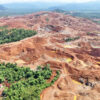
The Dangers of Green Mining
Even amidst the regressive resistance of the current U.S. administration, the world is shifting toward a green energy future. As governments pledge to phase out fossil fuels, companies tout electric vehicles, and financiers pour billions into solar, wind and batteries, it seems the necessary transition from fossil fuels to clean energy is finally picking up pace.
New Climate Goal: To Quadruple Sustainable Fuels
Quadrupling the production and use of sustainable fuels by 2035 is the goal of a new international initiative to drive energy transition and mitigate the climate crisis, which will be launched during Brazil's climate summit in November.
International Day for Climate Action, 2025

We are in a climate emergency. The Earth is already over 1.3 °C warmer than pre-industrial times. 2024 was the hottest year ever recorded.
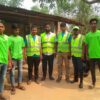
Community Volunteers Working to Safeguard Bangladesh’s Last Wild Elephants
When wild elephant herds come down from the hills in search of food, Sona Miahm, with community volunteers, steps forward to help prevent human-elephant conflicts.
Desalination is Booming in Chile, but Farmers Hardly Benefit
Desalination projects are booming in Chile, with 51 plants planned to process seawater and a combined investment of US$ 24.455 billion. However, these initiatives hardly benefit small-scale farmers, who are threatened by the prolonged drought, and cause environmental concerns.
Explaining Strong Credit Growth in Brazil Despite High Policy Rates
At 15 percent, Brazil’s monetary policy interest rate (called Selic) is one of the highest among major economies. Yet in 2024, bank credit grew by 11.5 percent and corporate bond issuance rose by 30 percent.
Women’s Leadership at the Heart of Disaster Risk Reduction
Climate and environmental challenges are hitting harder and more often, reshaping people’s lives around the world. While disasters touch everyone, their impacts are not felt equally. The most marginalized, especially women and girls, are too often the first to suffer and the last to recover.
XDR-TB Drug Trial Participants Continue to Celebrate its Success
When Tsholofelo Msimango joined a small trial of a new drug regimen for tuberculosis (TB) treatment a decade ago, she had no idea whether the medicines she was about to be given would help her.
Connecting the Dots: Policy Shifts, Realities and Lessons
The Asia-Pacific region has long served as a springboard for transforming socio-economic implementation gaps into development opportunities. With the 2030 deadline for the Sustainable Development Goals fast approaching, policymakers are stepping up efforts to translate policy announcements into tangible impacts.
A Hungry World Knows No Borders
When crops fail, people move not by choice, but by necessity. As families are displaced by droughts and failed harvests, the pressures do not always stop at national boundaries. In short, hunger has become one of the most powerful forces shaping our century.
They Have Known Nothing but War—The Plight of Syria’s Out-of-School Children
The war has deprived thousands of Syrian children of their right to education, especially displaced children in makeshift camps. Amidst difficult economic conditions and the inability of many families to afford educational costs, the future of these children is under threat.
Vanishing Wisdom of the Sundarbans–How climate change erodes centuries of ecological knowledge
Bapi Mondal's morning routine in Bangalore is a world away from his ancestral village, Pakhiralay, in the Sundarbans, West Bengal. He wakes before dawn, navigates heavy traffic, and spends eight long hours molding plastic battery casings. It's not the life his honey-gathering forefathers knew, but factors like extreme storms, rising seas, and deadly soil salinity forced the 40-year-old to abandon centuries of family tradition and travel miles away to work in a concrete suburban factory.
It’s Time to Unbury the IMF’s Hidden Gold
Countries across the Global South face an accelerating climate crisis, tepid growth, and unsustainable levels of debt. Yet hopes of finding support at the International Monetary Fund’s (IMF) Annual Meetings in Washington are dim. The IMF is tightening its purse strings — even as it leaves untouched a vast treasure of more than 3,000 tons of gold that offers a prime opportunity to stabilize the global economy.
Global South Can Rebalance Climate Agenda in Belém, Says Gambian Negotiator
The Gambia's lead negotiator on mitigation believes that COP30 presents a unique opportunity to rebalance global climate leadership.
Darjeeling’s Wake-Up Call: Expert at IUCN Congress Calls for Agile Climate Finance
As global conservation leaders gather in Abu Dhabi for the IUCN World Conservation Congress, communities in the hills of Darjeeling, thousands of kilometers away, are still counting their losses. In early October, heavy rains triggered deadly landslides that buried homes, blocked key roads, and left several people dead. The destruction has once again exposed how vulnerable India’s mountain regions are to extreme weather.
Parliamentarians Seek Solutions to Protect Children from Digital Abuse
Vulnerable children are being targeted online faster than parliamentarians and law enforcers can act, a conference convened by the Asian Population and Development Association (APDA) heard. Yet, with international cooperation and sharing of ideas, lawmakers believe the scourge of online abuse can be addressed.
Guiding Disaster Risk-Reduction Investments Through AI-Powered Tools
The theme of this year’s International Day for Disaster Risk Reduction, “Fund Resilience, Not Disasters,” called for the urgent need to shift from reactive spending on recovery to proactive investment in disaster risk reduction.
Science-Informed Policy Action Key to Biodiversity Conservation
Global biodiversity is disappearing at breakneck speed and, in the process, threatening the future of humanity. The loss is not a future threat but a present crisis that Dr. Luthando Dziba, the new Executive Secretary of the Intergovernmental Platform on Biodiversity and Ecosystem Services (IPBES), believes can be tackled with science-based policy action.
Civil Society on the Edge
The collapse of aid architecture is one of the greatest dangers for civic space. This shift is not accidental but systemic, reflecting deliberate policy choices – not only by the US but accelerated by its decisions- that prioritize security agendas over human rights and solidarity.« Previous Page — Next Page »





The Week with IPS

NEXT STOP - SDGs
Tracking global progress towards a sustainable world
Tracking global progress towards a sustainable world
