
Monday, October 19, 2026



News and Views from the Global South
Trade and poverty: Facts beyond theory
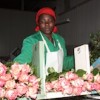
KENYA: Flower Industry Still Not Back in Full Bloom
Kenya’s flower exporters are cautiously optimistic that the prospects for their industry will improve during 2011 after disaster struck in the form of volcanic ash and adverse winter weather conditions in 2010. But prices will be lower as the global economic recession still weighs heavily on their primary market, the European Union.
AFRICA: Billions Lost to State Coffers Due to Tax Leniency
Bad governance and the persistence of the tax avoidance industry allow billions of dollars of profit to be siphoned out of Africa, untaxed, every year.
TRADE: Civil Society Ensuring Development Stays on EPA Agenda
In an unusual move, West and Central African civil society organisations have participated in the negotiations between their countries and the European Union on the economic partnership agreements (EPAs). The organisations stress developmental concerns while assisting under-resourced African governments with trade expertise.TRADE: “Poor Countries Have Already Given Enough in Doha Round”
South Africa has expressed sharp concern over concerted attempts by leading industrialised countries, particularly the U.S. and the European Union (EU), to extract onerous commitments from developing countries as a condition to concluding the stalled Doha Round trade negotiations.CORRUPTION: Egyptians Can Claim Mubarak’s Stolen Billions
For decades, European bank accounts and trusts and the real estate market were havens for dictators seeking safe places to deposit billions of dollars they were stealing from their countries of origin.
WORLD SOCIAL FORUM: Fisheries Need Transparent Regulation
Senegalese fishers participating in the 2011 World Social Forum (WSF) warned governments to "wake up to the ethical and transparent regulation of access to fisheries" to halt the overexploitation of this increasingly scarce resource.
WORLD SOCIAL FORUM: “We Don’t Want Everybody to Think the Same”
It is only the second time that the World Social Forum (WSF) takes place in Africa, the first one having been held in Nairobi, Kenya, in 2007. Since the start of the WSF in Porto Alegre, Brazil, 10 years ago, the organisers have been building African participation.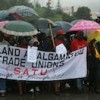
AFRICA: Swaziland in Crisis as Customs Union Revenue Is Slashed
Apart from the looming job losses in Swaziland’s public sector, small and medium enterprises (SMEs) have also warned of retrenchments following the government’s decision to suspend procurement from small businesses.
ZIMBABWE: Activists Seek WSF Solidarity Against Privatisation
Zimbabwean activists will raise the issue of privatisation at the World Social Forum, taking place Feb 6-11 in Dakar, Senegal, and seek solidarity from other activists to resist a renewed government attempt at selling Zimbabwe’s state- owned enterprises.
Questions About China’s “Win-Win” Relationship With Angola
Crouched on their haunches on the edge of a crumbling pavement, a group of Chinese construction workers are eating noodles from tin bowls, wearing floppy straw hats under their green safety helmets to protect them from the aggressive midday sun.
TRADE: Doha Round Tariff Cuts “Will Still Hit” Poor Countries
To allow least developed countries (LDCs) to protect nascent industries, they are not required to cut tariffs for industrial goods and fisheries in the Doha Development Round. However, tariffs cuts will affect them if they are members of customs unions where some of their neighbours are larger developing countries without LDC status.
DEVELOPMENT: African LDCs Won’t Benefit Much from BRICS Arrival
South Africa landed a coveted membership with the Brazil, Russia, India and China bloc (BRIC) by marketing itself as a gateway to Africa but analysts doubt whether this development holds real benefits for poor countries on the rest of the continent.
AFRICA: Arms Treaty to Rein in Trigger-Happy Rogue Regimes
A half a century after U.S. president Dwight Eisenhower named and denounced the military-industrial complex’s ever-increasing influence on world affairs, the arms trade thrives more than ever, with African states frequently being the destination.
DEVELOPMENT-UGANDA: Fair Trade Gives Coffee Farming a Lift
The cultivation of coffee beans for fair trade has turned the fortunes of this historical cash crop around in some poor rural areas on the slopes of Mount Elgon in eastern Uganda.AFRICA: France Plays Suspicious Role in Countries in Crisis
The three African states in which political crises have recently erupted – Côte d’Ivoire, Niger and Tunisia – all feature a strong French economic presence as well as close military and political ties to the former European colonial power, with France at times playing a protective role towards elites accused of abuses.
JAMAICA: Dying Manufacturing Sector Seeks Govt Cure
For close to 10 years, Patrick Marzouca has just managed to keep his tiny car factory afloat in a rapidly declining productive sector.Caribbean Lagging on EPA Deadlines with Europe
Two years after Europe signed an Economic Partnership Agreement (EPA) with the Caribbean Forum countries, concerns are being raised in the region about the timeline for future negotiations in a number of areas.
India-EU Deal Threatens Mom-and-Pop Retail
Retail giants pushing the European Union-India free trade deal promise consumers a "new and dynamic retail experience" but ignore the fate of India’s "mom-and-pop" stores and some 40 million people they employ.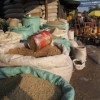
DEVELOPMENT-MOZAMBIQUE: Hunger Stalks 55 Percent of Adults
Baptista Macule is sitting on a sack of groundnuts in a dusty side-alley near the sprawling, makeshift Malanga market on the outskirts of Maputo. He squints into the sun as he tries to explain the extent of poverty in his country.
DEVELOPMENT: Economic Boom Worsened De-industrialisation of LDCs
Least developed countries (LDCs) in Africa did not use the commodity export boom of the mid-2000s to diversify their economies from commodity dependence to manufacturing value-added products. Significantly, the agricultural sector has also not benefited, with the result that LDC reliance on imported food has become even worse.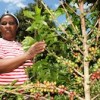
KENYA: A Brand New Constitution, But Can Women Enjoy Land Rights?
Mary Kimani wishes her husband were still alive. Holding her one-year-old son in one hand and a hoe in the other, she recounts with bitterness how she and her children lost their livelihood to her husband’s family.« Previous Page — Next Page »





Trade has historically been a geopolitical tool, creating significant economic imbalances in developing countries. However, many countries in East Asia and Latin America have been able to alleviate poverty due to increasing trade. Tackling poverty has proven to be much harder in low income countries in sub-Saharan Africa, Asia and Latin America, and their dismal trade performance is one important reason for that. They remain at the margins of world trade and indeed of the world economy. These articles are aimed at informing readers about the complexities of trade and its varying effects on development, with a special focus on the consequences of the global economic crisis, the potential of fair trade and the gender implications of trade policies.

The Week with IPS

Tracking global progress towards a sustainable world
