Languages
Saturday, November 21, 2026



News and Views from the Global South
Africa
ZIMBABWE: Failing to Address Schoolgirl Pregnancies
Concern over reports of growing numbers of pupils dropping out of school due to pregnancy has rekindled debate over the link between intergenerational sex and HIV infection among Zimbabwe's youth.
India’s Female Peacekeepers Inspire Liberian Girls
It is break time at the Victory Chapel School in Congo Town. Children dressed in their royal blue uniforms with bright yellow and white trim fight to get under the shade of the only mango tree in the yard. It is the start of the dry season and the scorching sun will soon be almost unbearable to stand in.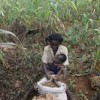
Without Investment in Agriculture, Africans Stay Hungry
Inadequate access to water, recurring floods and droughts as well as a lack of political will to invest in small-scale agriculture perpetuate hunger across Africa, the continent’s food security experts say.African Govts Urged to Invest in Social Protection
Allocating just one percent of GDP to social protection could make a massive difference to the lives of the continent’s poorest children.
Chinese Aid Bringing Smiles to Sierra Leone Farmers
"I think I am successful now," says Fanta Jabbah. "I am able to take care of my three children and support my husband; now I have a say in my household."Hard to Put a Price-tag on Healthy Rivers
Damming a river may bring electric power, but it often comes at the price of high-quality food fisheries, experts say. When dams are proposed for power, flood control or irrigation, the often devastating impacts on fisheries in rivers and lakes are ignored or discounted.
Could Water-Efficient Maize Boost Africa’s Food Security?
As controlled field trials of a genetically modified (GM) crop are about to begin in five African countries amidst promises of improved crops grown under poor conditions, critics are charging organisations with selling out the interests of African farmers.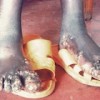
UGANDA: Sand Fleas: Neglected Threat to Primary Education
Jowaali Dhikusoka sits on the side of the road, alone and bored. The twelve-year-old doesn’t play much with the other children in his village because he has trouble walking. His hands and feet are infested with sand fleas, in Uganda commonly called jiggers, which itch and cause him a lot of pain.
Malawi Herbalist Joins Fight Against Deforestation
Decades of shifting cultivation by rural farmers have threatened forests in the district of Karonga in northern Malawi. The loss of forest cover has also threatened the livelihood of Benjamin Kalowekamo, a herbalist who depends on local plants to mix his healing concoctions.NAMIBIA: Increase Needed in Social Grants for Foster Children
Seventeen-year-old Jason* wants to be a pilot and his 14-year-old foster sister, Gracie*, wants to be a lawyer. In the impoverished district of Rehoboth, south of Windhoek, dreams such as these do not always come true.ZIMBABWE: Woman Metal Worker Breaking the Mould
At a time when more and more women around the world are taking up jobs in male-dominated domains, 41-year-old Sithabile Ruswa is also making her mark, albeit far from the air-conditioned boardrooms usually reported on.EGYPT: Gag Tightens on Media Ahead of Elections
Media watchdogs see the "invisible hand" of the ruling party behind a string of firings and resignations that have removed some of Egypt's most prominent government critics from their soapboxes just weeks before parliamentary elections.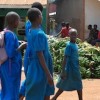
Outcry as Rwandan Govt Shifts Money to Primary Education
In an attempt to meet the development goal of universal access to primary education by 2015, Rwanda’s government has decided to reallocate a large part of its tertiary education budget to the primary education sector.Proposed Pension Bill Outrages Malawi Workers
A draft pension bill has created great concern among workers in Malawi, with some hurriedly seeking early retirement before it will be passed. The bone of contention is a section pegging the retirement age for women at 55 and men at 60.
ZAMBIA: Widespread Poverty Threatens to Reverse MDG Gains
Civil society organisations warn that unless Zambia addresses its high poverty levels, the strides the country already made in achieving some of the Millennium Development Goals (MDGs) may be reversed.
MAURITIUS: Social Ills Prevail Despite Meeting MDGs
The small island state of Mauritius is the only African country likely to meet all eight of the United Nations’ Millennium Development Goals (MDGs) by 2015 - at least on paper. But its citizens say government could do more to improve livelihoods, gender equality and environmental sustainability.
DEVELOPMENT-KENYA: Micro-Credit Helping Farmers to Plough Ahead
Seventeen years ago it seemed like an impossible dream to provide thousands of low-income farmers with a way to borrow small amounts of money. But people working in the tea sector in the rural areas of central Kenya were determined to address farmers’ lack of access to credit. They started the Muramati Savings and Credit Cooperative Society.
KENYA: More Men Preventing HIV Transmission to their Unborn Children
Pastor Joseph Muhembeli and his wife, Beatrice, queue at the Vihiga health centre with their six-month-old daughter for their prevention of mother-to-child treatment (PMTCT). But before long, as per the clinic’s policy, the couple are whisked to the front of the line – all because Muhembeli has accompanied his wife for the treatment.
ZIMBABWE: Debt Crowds Out Essential Spending on Health
Zimbabwe’s debt burden of about 8.3 billion dollars, owed to internal and external institutions, is crowding out essential national budget items such as health and basic services, with detrimental effects for particularly women.Ending Africa’s Hunger Means Listening to Farmers
Africa is hungry - 240 million people are undernourished. Now, for the first-time, small African farmers have been properly consulted on how to solve the problem of feeding sub-Saharan Africa. Their answers appear to directly repudiate a massive international effort to launch an African Green Revolution funded in large part by the Bill and Melinda Gates Foundation.
SOUTHERN AFRICA: Strengthen Cooperation to Secure Power
Southern African nations need to agree on a common operational system to manage energy in the region, environmental experts advise. If they don’t, the region could experience power shortages and resulting economic deficits.« Previous Page — Next Page » *#*

The Week with IPS

NEXT STOP - SDGs
Tracking global progress towards a sustainable world
Tracking global progress towards a sustainable world
