Languages
Sunday, October 25, 2026



News and Views from the Global South
Latin America & the Caribbean

Mexican Government Ignores Social Impact of Energy Projects
Mexico’s hydrocarbons law stipulates that oil contracts must include a social impact assessment. But this has not been done in the case of the oilfields granted to the country’s former oil monopoly, Pemex, or to private companies since the industry was opened up to private investment.
Indigenous Villagers Fight “Evil Spirit” of Hydropower Dam in Brazil
At dusk on the Tapajós River, one of the main tributaries of the Amazon River in northern Brazil, the Mundurukú indigenous people gather to bathe and wash clothes in these waters rich in fish, the staple of their diet. But the “evil spirit”, as they refer in their language to the Sao Luiz Tapajós dam, threatens to leave most of their territory – and their way of life – under water.
Coffee Rust Aggravates Poverty in Rural El Salvador
Sitting in front of a pile of coffee beans that she has just picked, Ilsy Membreño separates the green cherries from the ripe red ones with a worried look on her face, lamenting the bad harvest on the farm where she works in western El Salvador and the low daily wages she is earning.
Mexico to Export Nixtamalisation of Grains to Africa
Every day in the wee hours of the morning Verónica Reyes’ extended family grinds corn to make the dough they use in the tacos they sell from their food truck in Mexico City.
Cubans Want to Know When They Will Feel the Effects of Thaw with U.S.
While the normalisation of diplomatic relations between the United States and Cuba is moving ahead, and the U.S. and Cuban flags have been proudly waving in Havana and Washington, respectively, since last July, the year gone by since the thaw has left many unanswered questions.
Haina, a Dominican City Famous Only for Its Pollution
Rubbish covers the beaches and clutters the rivers, the garbage dump is not properly managed, and more than 100 factories spew toxic fumes into the air in the city of Bajos de Haina, a major industrial hub and port city in the Dominican Republic.
Sargassum and Climate Change in the Caribbean
When the habitants of Puerto Morelos saw their white beaches turn brown, they felt they needed to take urgent action for their community. Given the limited effectiveness of the response, they organized themselves to clean public beaches, but the situation got worse.
Brazil’s Amazon River Ports Give Rise to Dreams and Nightmares
River port terminals in the northern Brazilian city of Santarém are considered strategic by the government. But what some see as an opportunity for development is for others an irreversible change in what was previously a well-preserved part of the Amazon rainforest.
Immigration – Still a Pending Issue in Cuban-U.S. Relations
The crisis that has broken out at several border crossings in Latin America as a result of thousands of Cubans attempting to reach the United States has revived a problem that remains unresolved between the two countries in spite of agreements, negotiations and the diplomatic thaw that started a year ago.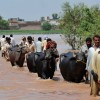
Climate Negotiators Discussing Warming and Migration Links
Stirred by the exodus of hundreds of thousands of refugees from Syria, where global warming exacerbated a drought that fueled warfare, links between climate change and human displacement have finally been thrust into news reports and political debates.
Peruvian Women Install Solar Panels and Light Up their Communities
Five women from Candarave Province, located in Tacna (Peru), travelled to India to be trained and to learn how to install solar panels. The training has enabled 272 families to have electricity and improve their quality of life.
Permeable Dams Prevent Land Loss and Save Mangroves in Suriname
Suriname’s coastline is eroding so quickly scientists predict the country’s maze of mangroves could disappear in just 30 years unless there is urgent action on climate change.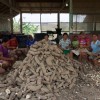
Soy, an Exotic Fruit in Brazil’s Amazon Jungle
In the northern Brazilian state of Pará, the construction of a port terminal for shipping soy out of the Amazon region has displaced thousands of small farmers from their land, which is now dedicated to monoculture.
Making the Case for Caribbean Fishers at Paris Climate Conference
Horace Walters has made the 6,903km journey from his native St. Lucia to Paris to deliver a simple, yet urgent message to the international community.
Antigua: Surrounded by Sea but Catchments are Empty
Antiguan Veronica Yearwood no longer panics when she hears that the rainfall forecast for the tiny Caribbean island is again lower than average rainfall.
Vertical Farming – Agriculture of the Future
Infrared thermometer in hand, Nelson Pérez checks the water temperature in the trays where dozens of small lettuce plants are growing in a nutrient-rich liquid in this vertical farm in Panama.
Nicaragua: “Only Way to 1.5 – 2 Degrees is out of Top 10 Emitters”
On the first day of the 2015 Climate Conference, Nicaragua became the first country openly refusing to comply with the United Nations mandate to submit a climate pledge.
Blackmail Politics Is the Name of the Game in Brazil
The aim to impeach President Dilma Rousseff is no longer merely a threat that was poisoning politics in Brazil. Now it may be a traumatic battle, but in the light of day.
Water Shortages Have a Heavy Impact on Women in Cuba
Denia Arrascaeta suffers water shortages on a near daily basis in the neighbourhood in the Cuban capital where she lives. “Sometimes I don’t even have water to drink,” she told IPS.
Native Seeds Help Weather Climate Change in El Salvador
Knife in hand, Domitila Reyes deftly cuts open the leaves covering the cob of corn, which she carefully removes from the plant – a process she carries out over and over all morning long, standing in the middle of a sea of corn, a staple in the diet of El Salvador.
“Paris Is Not the End of a Climate Change Process but a Beginning”
Chilean President Michelle Bachelet says the climate summit in Paris “is not the end of a process but a beginning,” and that it will produce “an agreement that, although insufficient with respect to the original goal, shows that people believe it is better to move ahead than to stand still.”« Previous Page — Next Page » *#*

The Week with IPS

NEXT STOP - SDGs
Tracking global progress towards a sustainable world
Tracking global progress towards a sustainable world

