Languages
Friday, October 23, 2026



News and Views from the Global South
Latin America & the Caribbean

United Arab Emirates Strengthens Ties with Argentina’s New Government
The new government of Argentina and the United Arab Emirates (UAE) are strengthening the relationship established by the previous administration, at a time when this South American country is seeking to bring in foreign exchange, build up its international reserves and draw investment, in what the authorities describe as a new era of openness to the world.
Energy from All Sources, a Game of Chance in Brazil
Brazil, which boasts that it has one of the cleanest energy mixes in the world, is now plagued by corruption, poor market conditions, and bad decisions – a near fatal combination.
Hydropower at Front and Centre of Energy Debate in Chile, Once Again
The Chilean government’s approval of a hydroelectric dam in the Patagonia wilderness has rekindled the debate on the sustainability and efficiency of large-scale hydropower plants and whether they contribute to building a cleaner energy mix.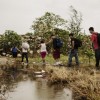
Mexico Creates First and Second-class Migrants
The Mexican government’s decision to grant humanitarian visas to Cuban migrants stranded in Costa Rica contrasts sharply with the poor treatment received by the tens of thousands of Central American migrants who face myriad risks as they make their way through this country on their long journey to the United States, social organisations and activists complain.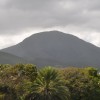
Nevis Has A Date With Geothermal Energy
Legislators on the tiny volcanic island of Nevis in the northern region of the Lesser Antilles say they are on a path to going completely green and have now set a date when they will replace diesel-fired electrical generation with 100 per cent renewable energy.
Precarious Nature of Public Employment Facilitated Mass Lay-offs in Argentina
Argentina’s new conservative government has already laid off 20,000 public employees since early December. Analysts have described the phenomenon as a “purge” of “militants” who supported the last administration, facilitated by the precarious employment conditions in the public sector, despite the steps taken to provide greater job stability over the last decade.
Caribbean Biodiversity Overheated by Climate Change
The nearly 7,000 islands and the warm waters of the Caribbean Sea are home to thousands of endemic species and are on the migration route of many kinds of birds. Preserving this abundant fauna requires multilateral actions in today’s era of global warming.
Jamaica’s Climate Change Fight Fuels Investments in Renewables
By year’s end, Jamaica will add 115 mega watts (MW) of renewable capacity to the power grid, in its quest to reduce energy costs and diversify the energy mix in electricity generation to 30 per cent by 2030.
Innovative Project to Provide Renewable Energy 24/7 to Chilean Village
A novel energy project in Chile will combine a pumped-storage hydroelectric plant operating on seawater and a solar plant, to provide a steady supply of clean energy to a fishing village in the Atacama Desert, the world’s driest.
Plan to Overcome Costa Rica’s Cuban Migrant Crisis Takes Off
After a nearly two-month wait, a group of 180 Cuban migrants, of the roughly 8,000 stranded in Costa Rica in their attempt to reach the United States, continued on their way as a result of a complex logistical process that emerged from diplomatic negotiations involving several countries in the region.
Drought Boosts Science in Dominican Republic
The recent lengthy drought in the Dominican Republic, which began to ease in late 2015, caused serious losses in agriculture and prompted national water rationing measures and educational campaigns.
Cash for the Climate Please, Caribbean Leaders Lament
Funding to address the financial flows needed for adaptation and mitigation of climate change remains an issue of concern for the Caribbean.
Soy Boom Revives Amazon Highway
The BR-163 highway, an old dream of the Brazilian military to colonise the Amazon jungle, was revived by agroexporters as part of a plan aimed at cutting costs by shipping soy out of river ports. But the improvement of the road has accentuated problems such as deforestation and land tenure, and is fuelling new social conflicts.
Caribbean Journalists Prepare to Report on Climate Change
Environmentally committed journalists in the Caribbean point to a major challenge for media workers: communicating and raising awareness about the crucial climate change agreement that emerged from the 21st Conference of the Parties (COP21) in Paris.
Floods Pose Challenge for South American Integration
The flooding that has affected four South American countries has underscored the need for an integrated approach to addressing the causes and effects of climate change.
Addressing Climate Change On Several Fronts In The Caribbean
 Climate change is already affecting the Caribbean. But there is concern that a gap still exists between what the region’s leaders are saying about the issue and what residents believe.

Cuba Needs a Law Against Gender Violence
Activists and researchers dedicated to the study of gender violence in Cuba insist on the need for a comprehensive law to protect the victims and prevent the problem, which was publicly ignored until only a few years ago in this socialist Caribbean island nation.
More Challenges For Antigua As Drought Continues
Climate change has brought with it many challenges for the people of Antigua and Barbuda.

Women Inmates Sow Hope in Prisons in El Salvador
Doris Zabala squats down in the field to pull up radishes. She is working on a prison farm in El Salvador, where more and more penitentiaries are incorporating agricultural work and other activities to keep prisoners busy.
Insecurity in Dominican Countryside Threatens Local Food Supply
“Sometimes we have too much water, which washes everything away,” Cecilia Joseph, originally from Haiti, said in heavily accented Spanish while pulling up a ñame root (a kind of yam) on her farm in the municipality of Santo Domingo Norte in the Dominican Republic.
Mexican Government Ignores Social Impact of Energy Projects
Mexico’s hydrocarbons law stipulates that oil contracts must include a social impact assessment. But this has not been done in the case of the oilfields granted to the country’s former oil monopoly, Pemex, or to private companies since the industry was opened up to private investment.« Previous Page — Next Page » *#*


The Week with IPS

NEXT STOP - SDGs
Tracking global progress towards a sustainable world
Tracking global progress towards a sustainable world

