Languages
Saturday, November 21, 2026



News and Views from the Global South


Calls for Zimbabwean Journalist Jeffrey Moyo to be Given a Fair Trial after Bail is Denied
As international correspondent Jeffrey Moyo was denied bail for allegedly breaching a section of the Zimbabwe Immigration Act by helping two foreign journalists work in the country without proper media accreditation, local organisations have called for his release and for him to be accorded a fair trial.
Sowing Water by Restoring Ancient Ditches in the Peruvian Highlands
In the highlands near the capital of Peru, more than 3,000 metres above sea level, ageold water recovery techniques are being used to improve access to water for 1,400 families, for household consumption and for crops and livestock.
Why Investing in Women Is Key to Achieving the Sustainable Development Goals
Last year, the Asia-Pacific region recorded its worst economic performance in decades. With the pandemic far from over, the region’s recovery is slow, fragile and highly uneven both across and within countries. As the region struggles to recover, how can countries rebuild their economies and revive their development?
2021: The Year that Matters for the Poorest People on the Planet
This year is being described as pivotal for climate change. That’s not only because we’re reaching a point of no return when it comes to the rise in global temperature, it’s because the 26th UN Climate Change Conference of the Parties – commonly known as COP26 – is due to take place in November in Glasgow.
Africa’s Forgotten Crisis
A few weeks ago, I traveled with the UN High Commissioner for Refugees Filippo Grandi to the Modale refugee site in the Nord-Ubangi province of the Democratic Republic of the Congo (DRC). What we witnessed there was a profound humanitarian crisis that has left 4.7 million children and youth in need of urgent, life-saving, life-changing educational support.
Pandemic Relief Policies Need More Resources, Better Design
Pandemic relief measures in developing countries have been limited by modest resources, fear of financial market discipline and policy mimicry. COVID-19 has triggered not only an international public health emergency, but also a global economic crisis, setting back decades of uneven progress, especially in developing countries.
World Environment Day 2021
 These are just some of the beautiful ecosystems that we are lucky to have on our planet.
An ecosystem is the interaction between living things and their surroundings – from plants to animals to people.

Motorcycle Diaries with a Twist
Four women, two motorbikes, 64 districts and a journey of a lifetime, this is the story of Dr. Sakia Haque from Bangladesh. In November 2016, Dr Haque co-founded “Travelettes of Bangladesh - Bhromon Konya,” a women's only group, with the motto of “empowering women through travelling.” This platform is not just an ordinary online travel group, but it is a platform of connection, sisterhood and networking of almost 60,000 girls and women in Bangladesh that empowers them by teaching them to raise their voices and encourages them to step out of their comfort zones and to “go see the world”.
Is Sharing More than Water the Key to Transboundary Governance in the Meghna River Basin?
Kajol Miah is a rice farmer from the Bangladesh side of the Meghna River Basin. And in towns on the Indian side of the river basin, Bangladeshi rice is in great demand.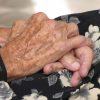
Slower Population Growth: The Goods and the Bads
Results from the 2020 population censuses in the United States and China recently made headlines. But rather than recognizing the social, economic and environmental benefits of slower rates of population growth for the U.S., China and the planet, much of the media stressed the downsides of slower growth and wrote about population collapse, baby bust and demographic decline.
The Killings in Gaza and Two Jewish Philosophers’ Hope for a Better World
I hear about casualties and numbers, but cannot perceive the faces, the human beings behind them. A week ago, eleven days of havoc ended after at least 243 people, including more than 100 women and children, had been killed in the Gaza Strip and 12 people, including two children, in Israel. An open, gravely infected wound which continuous to bleed, causing never ending human suffering.
It’s Time to Reimagine Our Relationship with Nature
Our natural earth is dying. It is on the brink of collapse. Due to human impacts the planet is losing species – its biodiversity – at a rate so alarming it’s said to be comparable to the 5th mass extinction 65 million years ago, bringing the era of the dinosaurs to an end. Just 15% of the world’s forests remain intact, and only 3% of the world’s oceans are free from human pressures.
Latin America’s Challenge of Financing Energy Recovery
Hit by the pandemic's socioeconomic and health impacts, Latin America is facing the challenge of financing an economic recovery based on a sustainable energy sector and a transition to clean sources of energy.
Illegal Clearing by Agribusiness ‘Driving Rainforest Destruction’
Deforestation in Latin America and the Caribbean accounts for 44 per cent of the global loss of tropical forests, with most of the conversion to agricultural land being carried out illegally, concludes a study by the non-profit organisation Forest Trends.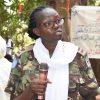
The Kenyan Peacekeeper Championing the Ideals of the Women, Peace and Security
Major Steplyne Buyaki Nyaboga of Kenya singles out the establishment of gender-responsive military patrols in farming communities in Central Darfur, Sudan as one of the proudest moments of her two-year mission with the African Union–United Nations Hybrid Operation (UNAMID).
– Why Experts are Saying It’s a ‘Make or Break’ Moment for Forests –
On the occasion of World Environment Day, 5 June 2021, drawing from IPS’s bank of features and opinion editorials published this year, we are re-publishing one article a day, for the next two weeks. The original article was published on April 28 2021
Are There Clinically Meaningful Differences Between anti-COVID-19 Vaccines?
Despite claims by the industry and some politicians, there are no clinically meaningful differences among the variety of vaccines approved under emergency use authorisation (EUA).
Why Stakeholder Coalitions Could Be Key to the Glasgow Climate Summit’s Success
The past few weeks brought a burst of optimism on the climate front. It began on April 18 with the US-China announcement on climate cooperation. This was followed in quick succession by the EU Parliament’s vote to cut emissions 55% by 2030, the UK’s promise of a 78% cut by 2035, Japan nearly doubling their commitment from 26% to 46% based on 2013 levels and US President Biden’s pledge of a 50-52% reduction, also by 2030 (compared with 2005 levels).
– Youth Demand Action on Nature, Following IUCN’s First-Ever Global Youth Summit –
On the occasion of World Environment Day, 5 June 2021, drawing from IPS’s bank of features and opinion editorials published this year, we are re-publishing one article a day, for the next two weeks. The original article was published on April 23 2021

COVID-19 Widens Learning Gap For Girls In Rural Ghana
Seventeen-year-old Muniratu Adams, a form two student of the Jeyiri D/A Junior High School at Funsi in the Wa East District of the Upper West Region of Ghana, is fortunate to have returned to school this January after the long COVID-19 shutdown.
The Issue is Exploitation, not Migration
“There’s no other option but to return,” said Chitrasen in January 2021, when asked if he would migrate back to the city. The previous year’s pandemic-induced lockdown had left migrant workers stranded in cities and stripped of all their savings. An entire year later, as the second wave of COVID-19 engulfs India, many migrant workers find themselves confronted by a similar situation.« Previous Page — Next Page »


Want to keep up with the latest news and views from the Global South? Sign up for IPS Daily News Report for daily emails with our top stories about international development, climate change, gender and more. (Formerly IPS TerraViva since 1993).

The Week with IPS

NEXT STOP - SDGs
Tracking global progress towards a sustainable world
Tracking global progress towards a sustainable world
