Languages
Saturday, November 21, 2026



News and Views from the Global South


Indigenous Communities in Mexico Fight Energy Projects
Indigenous farmers on communally owned lands have blocked since 2016 a private solar farm in the southeastern Mexican state of Yucatan by means of legal action, due to the company’s failure to hold consultations with local native communities and the risk of environmental damage.
A Moral Failure: Billions of People with No Access to Clean Drinking Water
Water is integral to sustainable development, but we are well behind on the goals and targets that we have set ourselves.
How Technology Reproduces & Amplifies Harassment & Abuse of Women Journalists
“Email and social media access attempts, extremely aggressive comments, photo montages, massive defamation and intimidation campaigns on WhatsApp. This is what women journalists are facing for doing our job,” said Brazilian journalist Bianca Santana.
Clean Water Vital for Protecting Those on the Frontline of Climate Change in Post-Pandemic World
For many, the last year will be remembered as the time our day-to-day lives screeched to a halt. As Covid-19 spread mercilessly across the world, wreaking havoc on health and livelihoods, world leaders, health experts and scientists grappled with how to protect populations and stem the tide of the virus.
UN Sanitizes Killings of Children in Armed Conflicts
The horrendous killings of children in military conflicts and civil wars – both by national armed forces and militant groups – have triggered widespread condemnation by human rights organizations worldwide.
Achieving Gender Equality for Women’s Re-entry to the Labour Force Post COVID-19
During the height of the COVID-19 lockdowns, while many sought safety being at home, women in the healthcare, child care, aged care, teaching and services fields — who hold the majority of jobs in those occupations — went to work everyday.
Why Children Are Prime Targets of Armed Groups in Northern Nigeria
Due to growing insecurity, Nigeria is gradually becoming one of the most dangerous places to live. The 2020 Global Terrorism Index identified the country as the third most affected by terrorism. There was a sharp increase in Boko Haram’s targeting of civilians by 25%, and killings by herdsmen increased by 26%, compared with the previous year. The two countries higher on the index are Iraq and Afghanistan.
A Global South Organization – a Sine Qua Non for Developing Nations’ Influence in World Arena
I observed the Group of 77 (G77) shortly after the 1964 Geneva Conference on Trade and Development (UNCTAD), the 1968 UNCTAD 2 in New Delhi and the 1972 UNCTAD 3 in Santiago. The Group was influential at the time, benefiting from several factors helpful for its functioning which are no longer present, namely:
Every Girl Can’t Be a Scientist Until We Make Big Changes
Over a month ago, the world celebrated the International Day of Women and Girls in Science. But the celebrations ring hollow when there’s still been no meaningful progress in the representation of women in the research sciences field. At present, less than 30 percent, of scientific researchers worldwide are women, a percentage that has been the same for almost a decade.
‘Living Hell’ – Concerns Mount over Dramatic Deterioration in Yemen Conflict
The United Nations Special Envoy for Yemen has warned that the world’s worst humanitarian crisis, is rapidly deteriorating as Yemenis, including women and children, face hunger, injury and death.
Failing to Collect Data About Women is no Trivial Offence
Women get freezing cold in trains and in big city offices because the air conditioning is set for men’s sensitivity to the cold. They spend the whole theatre interval (when visits to the theatre were still possible) in the queue because there are too few toilets.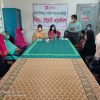
Five Steps to Combat Gender-Based Violence Globally
The 410 Legal Aid Centers that I manage in Bangladesh for BRAC’s Human Rights and Legal Aid Services received approximately 35,900 requests for assistance in 2020. Almost all of them involve gender-based violence against women and girls.
Inequality, COVID-19 and the Plight of the Young
Inequality characterizes the world we live in, predisposing how we act and think. We perceive our existence as composed of dichotomies – men and women, young and old, black or white, as well as a difference between those who have and those who do not have access to wealth, health, education and influence. Dichotomies are also born out of comparisons, about how things are now and how they could have been, how they were before and how they are now.
Sustainable Development Goals Can Guide Asia-Pacific to Build Back Better
The COVID-19 crisis poses an unprecedented threat to development in the Asia-Pacific region that could reverse much of the hard-earned progress made in recent years. The good news is we know how to tackle this challenge. Recovery from the pandemic and our global efforts to deliver the United Nations Sustainable Development Goals (SDGs) by 2030 must go hand-in-hand. The Goals provide a compass to navigate this crisis, faster and greener, everywhere and for everyone.
COP26 and India’s NDCs
Climate change is one of the most pressing issues that the world is collectively facing at the moment. It is contended that strengthening the global response is pertinent to combat the threat of climate change.
Policy Inconsistencies and Poor Research Slow Young Farmers in Africa
It is not everyday that a young farmer registers success in his enterprise and vows this is what he will do for the rest of his life. Yet this is the story of Lihle Moyo, a 27-year-old farmer from Gwanda, about 160km south of Bulawayo, Zimbabwe's second-largest city.
Magellan, Inquisition and Globalisation
Globalisation’s beginnings are symbolised by Ferdinand Magellan’s near circumnavigation of the world half a millennium ago. But its history is not simply of connection and trade, but also of intolerance, exploitation, slavery, violence, aggression and genocide.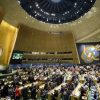
Are High-Ranking UN Jobs the Political Birthright of Big Powers?
The United Nations has continued to pursue a notoriously longstanding tradition of doling out some of the highest-ranking jobs either to the five big powers, who are permanent members of the Security Council—namely the US, UK, China, France and Russia – or to Western industrialized nations such as Spain, Italy, Canada, Sweden, Germany, plus Japan.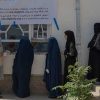
How to Achieve Peace in Afghanistan
There is much expectation about US President Joe Biden's Afghanistan strategy to end the United States' longest war effectively. So far, he continues to rely on Ambassador Zalmai Khalilzad, the Special Envoy for Afghanistan, appointed by Mr. Trump.
Sudan Took Important Step, But Now Should Send the ICC Suspects to The Hague
Sudanese authorities concluded a Memorandum of Understanding with the International Criminal Court (ICC) in February in its investigation of Ali Kushayb. This much needed step is expected to allow ICC investigators access to Sudan ahead of ICC judges’ deliberations in May to assess whether there is sufficient evidence to send his case to trial.
International Women’s Day, 2021
More Women Leaders Make Better Societies
This year it will be 128 years since the right of women to vote was first recognized, with New Zealand becoming the first nation to allow the participation of women in its general election in 1893.
From the suffragettes - to today’s feminists, both men and women have fought to increase women’s political participation and representation. It has been a slow, sometimes bitter and occasionally even dangerous struggle. Yet global progress remains slow and uneven – as it does in Samoa. As we approach the 2021 General Election on 9 April, it is important to remember that women’s full and effective participation in all areas of life drives progress for everyone.
« Previous Page — Next Page »


Want to keep up with the latest news and views from the Global South? Sign up for IPS Daily News Report for daily emails with our top stories about international development, climate change, gender and more. (Formerly IPS TerraViva since 1993).

The Week with IPS

NEXT STOP - SDGs
Tracking global progress towards a sustainable world
Tracking global progress towards a sustainable world
