Languages
Saturday, November 28, 2026



News and Views from the Global South


Transgender Health
Two cases this year — that of a transgender person dying in a Peshawar hospital as healthcare providers deliberated over which ward to put her in; and of another who, after being diagnosed as HIV positive, was forced to live near a garbage dump until she died — highlight the insensitivity that prevails towards this marginalised community.
A Deterrent to Regional Development
Following the end of almost fifty years of military rule in Myanmar and the release of the Nobel Laureate leader Aung San Suu Kyi in 2011, the world had looked at the country with much enthusiasm. The quasi-civilian new government brought some hope for the country to return to democracy as well as economic progress. Even with rich natural resources including land, forests, minerals, oil and gas, the country remained poor and could achieve a per capita income of only USD 1,197 in 2011. So once freed from the military regime, with a view to modernise its economy, Myanmar embraced economic openness and initiated reforms in areas such as currency exchange rates, taxation, foreign investment laws and anti-corruption. Several countries, including those which isolated the nation through economic sanctions such as the US and the European Union, saw opportunities to rebuild economic ties with Myanmar. Political leaders from the US, Europe, Japan, Australia, China, India, Thailand, Bangladesh and many other countries flew in, investors rushed and businessmen flocked into the country to explore its untapped resources. International endorsements revived the country's confidence and growth prospects. Its GDP grew by more than 7 percent in the last couple of years.
Trump Needs Lessons in Geopolitics : Musharraf
US President-elect Donald Trump has shown he has much to learn about South Asia, Pakistan’s former President Pervez Musharraf said in an interview with IPS. But he counted on Trump having an open mind.
The United Nations Volunteer: From Global To Local
Today 05 December is International Volunteer Day, and every year we recognize the invaluable contributions of volunteers to peace and development.
Pakistan and India Unlikely to Move to All-out War: Musharraf
High levels of both conventional and nuclear deterrence are likely to prevent the recent surge in clashes between India and Pakistan from escalating into all-out war, according to Pakistan’s former president and army chief Pervez Musharraf.
Civil Society On Aleppo: UN General Assembly Must Act
Hundreds of civil society organisations from around the world have united to call on UN member states to step in and demand an end to unlawful attacks in Aleppo.
New Effort to Assist People Displaced by Conflict in the Borno Region in Nigeria
 As hundreds of thousands flee their homes in northeastern Nigeria to seek safety from intensifying conflict between Boko Haram and the Nigerian military, the IKEA Foundation has given Médecins Sans Frontières (MSF) €1 million to provide lifesaving medical assistance.

Fidel Castro, a Larger-than-Life Leader in Tumultuous Times
Among the many leaders who left their mark on history in the 20th century, Fidel Castro - who died Nov. 25 at the age of 90 - stood out for propelling Cuba into a global role that was unexpectedly prominent for a small country, in an era when arms were frequently taken up to settle national and international disputes.
Ending AIDS Needs Both Prevention and a Cure
Eighteen million people, just slightly under half of the people living with HIV and AIDS globally, are now taking life-saving medication, but global efforts to end the disease still largely depend on prevention.
Pervez Musharraf Sets out ‘Higher’ Comeback Plans
Pakistan’s former President Pervez Musharraf says he intends to make a second bid for a political comeback next year, aiming to return from self-imposed exile to forge a new party that would bridge ethnic and sectarian divides.
Subway Will Modernise – and Further Gentrify – Historic Centre of Quito
Success can kill, when it comes to cities. Spain’s Barcelona is facing problems due to the number of tourists that it attracts. And the historic centre of Ecuador’s capital city, Quito, a specially preserved architectural jewel, is losing its local residents as it gentrifies.
Rohingya Refugees Trapped in Limbo
Amid growing persecution by Myanmar's military, thousands of minority Rohingya Muslims in its western state of Rakhine have fled their frontier villages and are languishing along the Myanmar-Bangladesh border for lack of shelter and emergency supplies.
Looking into the Eyes of Central American Refugees in a Time of Hate and Fear
Ten years ago I arrived in Mexico for the first time. A heavy backpack strapped around my waist, I toddled over a large, concrete bridge that divides Mexico and Guatemala.
Journalists Honoured for their Courage, Resolve
Journalism has become one of the world's most dangerous professions, making the courageous achievements of this year's four International Press Freedom Award winners particularly meaningful.
Debate Roils India Over Family Planning Method
The Indian government's decision to make injectable contraceptives available to the public for free under the national family planning programme (FPP) has stirred debate about women's choices in the world's largest democracy and second most populous country.
“Bonn Has Become an Insider Tip on the International Stage”
With around 320,000 inhabitants on 141 square kilometres, no other relatively small city has played such a historically critical role like the City of Bonn.
“Dead Men Don’t Vote” in Gambia
“Dead men don’t vote,” said a Gambian political activist known as Mama Africa. She spoke during an event on the side-lines of the 59th Session of the African Commission on Human and Peoples Rights (ACHPR) held in Gambia’s capital Banjul last month. The focus was the crackdown on freedom of expression and assembly ahead of the 2016 presidential elections.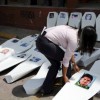
Journalism in Honduras Trapped in Violence
It was in the wee hours of the morning on October 19 when journalist Ricardo Matute, from Corporación Televicentro’s morning newscast, was out on the beat in San Pedro Sula, one of the most violent cities in Honduras.
Selling Their Bodies for Fish and a Handful of Shillings
It's Saturday morning and Hafsa Juma* is seated on a traditional mat known locally as a mkeka under the scorching sun outside her homestead, located near Gasi Beach on the Kenyan coast.
UN Security Council Seats Taken by Arms Exporters
Nine of the world’s top ten arms exporters will sit on the UN Security Council between mid-2016 and mid-2018.
The Cuban Revolution Has Lost Its Founder and Leader
Fidel Castro, who survived more than 600 assassination attempts and remained in power longer than any other leader in the history of Cuba, died Friday night at the age of 90.« Previous Page — Next Page »


Want to keep up with the latest news and views from the Global South? Sign up for IPS Daily News Report for daily emails with our top stories about international development, climate change, gender and more. (Formerly IPS TerraViva since 1993).

The Week with IPS

NEXT STOP - SDGs
Tracking global progress towards a sustainable world
