Languages
Sunday, November 29, 2026



News and Views from the Global South


A Jarring Anomaly of Society
It is easy to miss stories about child domestic workers being tortured and killed. Easy because stories of children being killed have become eerily regular. It is May 28 and there is the report of 14-year-old Konika Rani being hacked to death by a drug addict with three of her classmates also grievously injured by him. There is also the horror of having to read about a six-year-old being left critically wounded after being raped by her neighbour. Next to this is the news of 11-year-old Hasina Akhter dying in hospital from the fatal wounds inflicted on her, presumably by her employers.
Achieving Universal Access to Energy; Africa Caught Between a Rock and a Hard Place
“It is unacceptable that 138 years after Thomas Edison developed the light bulb, hundreds of millions of people cannot have access to electricity to simply light up the bulb in Africa,” says Africa Development Bank (AfDB) Group President, Akinwumi Adesina, mourning the gloomy statistics showing that over 645 million people in Africa lack access to electricity, while over 700 million are without clean energy for cooking.
When the UN Comes Under Heavy Fire
When heads of government and foreign ministers make their annual pilgrimage to the United Nations in September, it is rare to hear hard-hitting, headline-grabbing political statements from the podium.A Balance Sheet for May 28
On this very day, exactly 18 years ago, riotous celebration erupted after Pakistan tested its nuclear weapons. Just 17 days earlier, India had experienced a similar moment. Then, one year later, Pakistan once again saw mass jubilation during the officially sponsored Youm-i-Takbir. But, in sharp contrast, today`s nuclear celebrations are barely audible. One hopes that this signals increased national maturity and sobriety.
Menstrual Hygiene Gaps Continue to Keep Girls from School
Around the world girls are struggling to stay in school when their menstrual hygiene needs are forgotten or ignored, yet the water, sanitation and hygiene (WASH) and education sectors have remained reluctant to address the issue.
New International Accord to Tackle Illegal Fishing
A new international accord to tackle illegal and under-reported fishing will come into force on June 5.
Malawi’s Drought Leaves Millions High and Dry
It’s Saturday, market day at the popular Bvumbwe market in Thyolo district. About 40 kilometers away in Chiradzulu district, a vegetable vendor and mother of five, Esnart Nthawa, 35, has woken up at three a.m. to prepare for the journey to the market.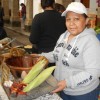
Traditional Mexican Recipes Fight the Good Fight
In a clay pot, Araceli Márquez mixes tiny Mexican freshwater fish known as charales with herbs and a sauce made of chili peppers, green tomatoes and prickly pear cactus fruit, preparing a dish called mixmole.
UNFPA Funding Cuts Threaten Women’s Health in Poorer Nations
The UN Population Fund (UNFPA), which has played a key role in ensuring maternal health and promoting reproductive rights of millions of women world-wide, is expected to suffer over $140 million in funding cuts by Western donors this year.
Poorest Countries Have Progressed but Fragile Countries Lag Behind
The world's poorest countries are making development gains, yet challenges remain, particularly for so-called fragile countries affected by conflict or other disasters.
Conjuring Growth from the Trans-Pacific Partnership TPP
It is now generally agreed that the Trans-Pacific Partnership (TPP) has served US foreign policy objectives well. For this purpose, the Peterson Institute of International Economics (PIIE) has provided the fig-leaf for the empire’s new clothes with exaggerated projections of supposed growth gains from the TPP.
The Humanitarian Clock Is Ticking, The Powerful Feign Deafness
The humanitarian clock is now ticking away faster than ever, with over 130 million of the world’s most vulnerable people in dire need of assistance. But the most powerful, richest countries—those who have largely contributed to manufacturing it and can therefore stop it, continue to pretend not hearing nor seeing the signals.
New and Old Vaccines Still Out of Reach for Many
While long-awaited new vaccines for malaria and dengue may finally be within reach, many of the world’s existing vaccines have remained unreachable for many of the people who need them most.
Least Developed Countries Still Face Significant Challenges
Since the establishment of the Least Developed Countries (LDCs) category in 1971, the international community has worked hand in hand to support its most vulnerable members.The Caracas Crunch
After Uruguay`s former president José Mujica last week declared that Nicolás Maduro was `mad as a goat`, the latter chose to wear the insult as a badge of honour, announcing at a rally: `Yes, I`m as mad as a goat, it`s true. I`m mad with love for Venezuela, for the Bolivarian revolution, for Chavez and his example.
OPINION: Central America, Still Caught Up in the Arms Race
The recent announcement of the Nicaraguan government’s 80-million-dollar purchase of 50 Russian tanks caught the attention of the press in Latin America and caused alarm in the international community.
Water Woes Put a Damper on Myanmar’s Surging Economy
The central plains of Myanmar, bordered by mountains on the west and east, include the only semi-arid region in South East Asia – the Dry Zone, home to some 10 million people. This 13 percent of Myanmar’s territory sums up the challenges that the country faces with respect to water security: an uneven geographical and seasonal distribution of this natural resource, the increasing unpredictability of rain patterns due to climate change, and a lack of water management strategies to cope with extreme weather conditions.
Bangladeshi Shrimp Farmers See Big Money in Small Fry
Frozen tiger shrimp exports from Bangladesh, mainly to the United States and the European Union, have grown substantially over the years and the demand keeps increasing.
Humanitarian Summit, The Big Fiasco
The World Humanitarian Summit (WHS) held in Istanbul on May 23-24, managed to send a strong wake-up call to the world about the unprecedented human suffering now in course, but failed to achieve the objective of attracting the massive funds needed to alleviate the humanitarian drama, as none of the leaders of the Group 7 of the richest countries nor of the five permanent members of the UN Security Council attended, with the exception of the German Chancellor Angela Merkel.
Water Security Critical for World Fastest-Growing Economy
Lack of water management and limited access to data risk hindering Myanmar’s economic growth, making water security a top priority of the new government.
Water: An Entry Point for SDG Implementation in Myanmar
All people, economies, and ecosystems depend on water. Yet water is often taken for granted, overused, abused, and poorly managed. The way we use and manage water leaves a considerable part of the global population without access, and threatens the integrity of ecosystems that are vital for a healthy planet and people.« Previous Page — Next Page »


Want to keep up with the latest news and views from the Global South? Sign up for IPS Daily News Report for daily emails with our top stories about international development, climate change, gender and more. (Formerly IPS TerraViva since 1993).

The Week with IPS

NEXT STOP - SDGs
Tracking global progress towards a sustainable world
