Languages
Monday, November 16, 2026



News and Views from the Global South
Africa
UGANDA: In Search of Better Medical Care
Even though government health services are free, Grace Nafungo Kutosi doesn’t mind paying the two thousand shillings (about one dollar) when she visits the non-governmental Beatrice Tierney Clinic in Bumwalukani village. In fact, paying the fee at the clinic, which is a 20-minute walk from her home, is cheaper than her having to travel to the nearest government clinic almost seven kilometres away.
ANGOLA: Law on Domestic Violence a Step Forward for Women’s Rights
Domestically abused women who are financially dependent on their abusers can now report the crime with the assurance that they will be able to get financial and medical support from the state, thanks to the country’s new law on domestic violence.
SOUTH SUDAN: Born into Crisis – Violence Against Women Continues
Violence against women is rampant, devastating and tolerated in South Sudan and the new country needs to address these gross human rights violations and train people, especially soldiers, to respect women’s rights.
SOUTH SUDAN: A Country Split – But What Happens to the People?
When the Republic of South Sudan gained independence from the north, it was more than a geographical split. Families in South Sudan and Sudan could be forced apart as both countries wrangle out the issue of citizenship and who belongs where.
SOUTHERN AFRICA: Majority Still Lack Access to Safe Water
Only two in every five people in the Southern African Development Community has access to safe water for drinking and household use. Three quarters of those lacking access, live in rural areas and the majority of these are women and children.
KENYA: Strategy to Counter Counterfeit Medicine
In Kenya buying medicine from any unregistered pharmacy outlet means that you are running a higher risk of buying either substandard or counterfeit drugs that form 30 percent of all drugs sold in the country.SOUTH SUDAN: Witnessing the Birth of a New Country
Macklina Kenyi, 33, ran away from South Sudan to avoid being raped and abducted by the rebels during the war. She has since been studying in Kenya but on Jul. 9 she returned to Juba to witness the birth of her country.SOUTH SUDAN: Women Hope Independence Means Less Maternal Deaths
Mother of eight, Jessicah Foni, 36, hopes that independence will mean a hospital will soon be built in her village. Foni, who has travelled from a remote village in South Sudan to the state’s capital to celebrate independence, lost two babies at birth because of the lack of medical facilities in her area.
SUDAN: Close to War As the South Prepares to Celebrate Independence
Sudan is closest to civil war since the signing of the Comprehensive Peace Agreement (CPA) in 2005.
UGANDA: Maternal Deaths Against Constitutional Rights
When Valente Inziku’s wife, Jennifer Anguko, went into labour they had decided she would go to the local referral hospital just to ensure a safe delivery.
SOUTH SUDAN: Q&A: Spirits High in South Sudan Despite Unresolved Issues
As South Sudan prepares to cede from the North, it faces tremendous challenges towards building a nation and a sense of nationhood.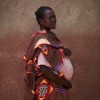
SUDAN: Starting from Scratch
In their hundreds of thousands they have crossed the border, arriving by boat, bus or on foot. After decades of civil war with the north, South Sudanese have come back home to witness the birth of their new nation on Jul. 9. The fight for independence has come to an end, but for many returnees, the struggle is far from over.
ZAMBIA: Millions Meant for the Poor Stolen or Missing
Every year the Zambia government allocates billions of Kwacha for poverty reduction, but much of the money has been stolen or misappropriated.SOUTH SUDAN: Equitable Oil Deal Needed For Peace
The sharing of oil between North and South Sudan needs to be urgently addressed otherwise conflict between the two regions will escalate and could possibly lead to civil war, according to government officials and rights organisations.
SOUTH AFRICA: Scientists Find Green Method to Purify Toxic Water
South African scientists have developed an environmentally friendly method to clean highly toxic water and convert it into drinkable water. Once available commercially, the method could drastically reduce the negative impact industry has on water pollution worldwide.
KENYA: Budget Cushions Agricultural Sector Amidst Staggering Inflation
As the country’s inflation rate hits a staggering 14.5 percent – compared to 4.5 percent in December 2010 - Kenyans are struggling to afford basic commodities like maize, amid a shortage of the staple food.
KENYA: People Dying Because of Lack of Anaesthetics
One person dies weekly in Kenya due to a shortage of anaesthetics and the situation is worse in slums and rural areas across the country.ZIMBABWE: The Impossible Search for a Hangman
For over four years now, Tendai Dzingirai * has lived each day afraid that it may be his last. Dzingirai is one of almost 60 inmates on death row in Zimbabwe’s prisons. But like the other prisoners, Dzingirai does not know when he will finally meet his fate – especially since the country has not had an executioner for the last six years.
Women Keen to Ease Greenhouse Effect on Their Ability to Provide
A successful entrepreneurial programme in the north of Namibia that infuses farming practices with gender-responsive environmentalism may serve as a model for other countries on the African continent.
SOUTHERN AFRICA: Trying to Access Funding for Climate Change
Leaving out non-governmental organisations in climate finance strategies will result in little impact on the ground in the southern Africa region.TRADE: Brazil and Africa Ready to Do the Samba
African trade with India and China flourished over the past decade but, with unemployment rising and industrialisation failing to take hold, cracks are appearing in Africa’s much-vaunted "Look East" doctrine. Meanwhile, from across the Atlantic, Brazil is making inroads into the continent.« Previous Page — Next Page »


The Week with IPS

NEXT STOP - SDGs
Tracking global progress towards a sustainable world
Tracking global progress towards a sustainable world
