Languages
Saturday, October 17, 2026



News and Views from the Global South
Global
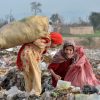
Upset with the Opulence of the Rich? But the World’s Children Are Paying the Bill
The excesses committed by rich people can be deadly–and in fact they are. Be it about food, energy or overall waste, such excesses have been depleting the world's natural resources and pushing both current and future generations towards the edge of a predictable abyss.
A Global Food Crisis: Shortage Amidst Plenty
India is being asked by the US government and the IMF to reconsider its decision to suspend wheat exports. Their cited concern is that export restrictions will exacerbate food shortages amidst Russia's invasion of Ukraine. But the argument does not stand ground technically or morally.
UN “Deeply Troubled” by Impending Cuts on Development Aid by Rich Nations
The four-month-old Russian invasion of Ukraine, which has triggered a hefty increase in military spending among Western nations and a rise in humanitarian and military assistance to the beleaguered country, is now threatening to undermine the flow of Official Development Assistance (ODA) to the world’s poorer nations.
Weathering a ‘Perfect Storm’ of Cascading Crises
Climate change, COVID-19, the war in Ukraine – these crises threaten to derail development for 1.7 billion of the world’s most vulnerable people. The international community must take swift, coordinated action now to put the SDGs back on track.
Gender Sensitivity Key to Achieving Climate Justice
While the climate crisis affects virtually every aspect of life, its impacts are not felt equally. A person’s vulnerability to climate change varies depending on their position in society, such as socioeconomic status, dependence on natural resources, and capacity to respond to natural hazards. Since different genders often experience different social standings, gender has emerged as a key element to consider for effective climate planning and adaptation.
Food Banks are Early Warning Systems for Emerging Food Crises, but also a Key Solution
For months, the specter of a global hunger crisis has been looming. The war in Ukraine is a compounding factor, blocking key value chains for food and fertilizer just as the world reckons with the impacts of the COVID-19 pandemic on global hunger.
Without Peace, Hunger Will Continue to Increase
If the war in Ukraine, that was initiated three months ago, does not end, and without a reduction in the growing number of conflicts in other parts of the world, hunger will only continue to increase.
So, Germany’s to Blame for Putin. Really?
Putin’s brutal invasion of Ukraine has sparked a new introspection in the West. A number of commentators, most of them writing from the US and the UK, have come up with their latest scapegoat: Germany’s to blame, they say, with its decades-long policy of appeasing Russia. Really?
The Risks of Turning Planet Earth into a Giant Desert
The message is clear: three-quarters of the world’s population will be affected by drought by 2050. Does it sound too far in time? Well, your kids might be among the billions of humans living on a desertified planet.
Fighting Inflation Excuse for Class Warfare
A class war is being waged in the name of fighting inflation. All too many central bankers are raising interest rates at the expense of working people’s families, supposedly to check price increases.
Private Sector Needed as Addressing Education in Emergencies is Everyone’s Business
Against a backdrop of ongoing social changes, education is becoming increasingly important for success in life. But with disasters, pandemics, armed conflicts, and political crises forcing children out of school, a future of success is often placed far out of reach.
Illegal Immigration Dilemma
Illegal immigration in the 21st century poses a serious dilemma for the world. Governments in virtually every region of the globe appear to be at a loss on how to address the two central dimensions of the dilemma.
Covid-19: Rise of the Super Rich & Fall of the World’s Poor
Michael Bloomberg, the three-term Mayor of New York city and a billionaire philanthropist, was once quoted as saying that by the time he dies, he would have given away all his wealth to charity – so that his cheque to the funeral undertaker will bounce for lack of funds in his bank account.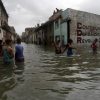
‘By Deliberately Ignoring Risk, the World Is Bankrolling Its Own Destruction’
It is often said that a pessimistic person is an optimistic but well-informed person. Here, a good number of people may believe that human wit and inventiveness are capable of facing both the current and the looming disasters, like the impact of climate change, for instance.
Youth Demand a Voice in Call-To-Action on Child Labour
Ashley has vast work experience. She has laboured by the sweat of her brow in the blistering sun on the streets of Guatemala, in the open fields on farmlands and indoors, toiling for long hours to the hum of a sewing machine. Her work resume might be impressive to some – street trader, farmworker and tailor – but she, like 160 million children around the world, is trapped in child labour, working desperately to support her impoverished family and provide for her education.
Technology for Tracing the Work of Child Labour Could Help End the Practice
Technology used to trace the origin and price of consumer goods to ensure farmers earn fair profits could easily be adapted as a tool to fight child labour Fair Trade living wage and income lead Isa Miralles told delegates at the 5th Global Conference on the Elimination of Child Labour.
Oil Business Burns Enough Gas to Power the Whole Sub-Sahara or Two Thirds of Europe
While the attention of mostly Western media and politicians is quasi exclusively hoarded up by the proxy war in Ukraine and its consequences on the energy sector, the world’s big oil business continues to burn Planet Earth with its underreported though highly polluting, wasteful practice of gas flaring.
New Medicines May Help End AIDS– but High Prices & Monopolies Could Keep the Poor Locked Out
Here’s the good news: there are a new set of breakthrough medicines to prevent and treat HIV, known as “long actings” because they can be taken every few months instead of every day, and they are coming on-stream. If, as they are rolled out, they are made available at scale, they could help save many lives and help end the AIDS pandemic.
Call to Invest ‘Serious Resources’ in Education, to Stem Tide of Child Labour
"Education is the most powerful weapon you can use to eliminate child labour." So said Dennis Sinyolo, Director of Education International's African Regional Office in Accra, Ghana adapting liberation icon and late South African president Nelson Mandela's famous quote about how education can change the world.
Child Labour: No Quick End to Children Trapped in Tobacco Production
Despite World Day Against Child Labour launched in 2002 by the International Labour Organization (ILO), little has changed over the past two decades for the millions of children who remain trapped.
When Saviours Are the Problem
Central bank policies have often worsened economic crises instead of resolving them. By raising interest rates in response to inflation, they often exacerbate, rather than mitigate business cycles and inflation.« Previous Page — Next Page »





The Week with IPS

NEXT STOP - SDGs
Tracking global progress towards a sustainable world
Tracking global progress towards a sustainable world
