Languages
Sunday, November 8, 2026



News and Views from the Global South
Global

Bending the Curve on Biodiversity Loss Requires Nothing Less than Transformational Change
A spate of reports on biodiversity – the Global Assessment Report on Biodiversity and Ecosystems, the Living Planet Report, the Global Forest Resources Assessment Report and the Global Biodiversity Outlook- paint a stark picture for the world’s biodiversity.
Anne Larigauderie UN Biodiversity Summit #ForNature Video
 On the eve of the United Nations Summit on Biodiversity, Dr. Anne Larigauderie calls on everyone to make ambitious commitments to protect #biodiversity and #nature.

A Third World War – Which so Many Had Feared — Has Been Avoided, Says UN Chief
The ideals of the United Nations – peace, justice, equality and dignity — are beacons to a better world. But the Organization we celebrate today emerged only after immense suffering. It took two world wars, millions of deaths and the horrors of the Holocaust for world leaders to commit to international cooperation and the rule of law.
‘Populist’ Macroeconomic Policy
‘Ethno-populism’ has emerged and spread in recent decades in response to the mixed consequences of neoliberal globalization. It appropriates nationalist rhetoric for narrow ethnic, religious, cultural or other communal ends, typically with a chauvinist, jingoist rejection of selected Others as politically expedient.
SDGs: It’s Not Just About Collecting Data, it’s What You Do With it
The unprecedented challenges posed by COVID-19 have reminded us that we are an interconnected global community. While this crisis rightly has dominated our attention, we must not lose sight of progress on the broader aims of the Sustainable Development Goals and the Paris Climate Agreement.
Helping Make Education a Reality for the 75 million Children in Conflict Zones
Aryan is a 15-year-old girl from Afghanistan who lives with her family in a shelter in an undisclosed country in Europe. She doesn’t go to school. But she is hugely creative. And it shows in how she occupies her time during the day — writing poetry and making bracelets and earrings that she hopes to sell online one day.
After 75 Years, UN Claims 50:50 Gender Parity, But Falls Short of its Ultimate Goals
When the United Nations was dominated by men, holding some of the highest positions in the staff hierarchy, women staffers were overwhelmingly administrative secretaries seen pounding on their Remington typewriters seated outside their bosses’ enclosed offices.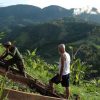
Philanthropy’s Role in the Missing Global Architecture
The promise of the United Nations, as articulated 75 years ago, is a global system capable of managing global issues. As UN leadership knows, that promise is needed now more than ever in a multipolar world with increasingly complex challenges. This mission must be fulfilled, but is not possible without the collaboration of broad-based coalitions made up of innovative thinkers from all sectors of society working together.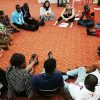
The Culture of Peace: Change our World for the Better in the Age of COVID 19
Last year, we paid tribute to the 20th Anniversary of the 1999 Declaration of the Program of Action on a Culture of Peace. Today, we need to ask ourselves if we had genuinely carried out our moral responsibilities to transition from a culture of hatred and violence to a culture of tolerance and peace.
A World Without Hunger Is Also About Protecting Food
Concern about food loss and waste has become an increasingly important focus of attention when discussing ways to eliminate hunger which, according to the latest FAO report, already exceeds 690 million people.
COVID-19 – Possible Human Rights Crisis in Asia as Disparities Expected to Widen
The negative impact of the coronavirus pandemic is likely to be felt long after the COVID-19 health risk is resolved, a high-level meeting under the auspices of the Asian Population and Development Association (APDA), heard.
Accessibility of Vaccines & Commitment to Ceasefire – Priority Focuses for 75th UNGA
Key focuses of the upcoming 75th session of the United Nations General Assembly (UNGA) High Level Week will be the accessibility of vaccines and a renewed plea for a global ceasefire. “I will make a strong appeal to the international community to mobilise all efforts for the global ceasefire to become a reality by the end of the year,” U.N. Secretary-General António Guterres said on Wednesday.
Supporting Migrants and Remittances as COVID-19 Rages On
Just as COVID-19 has disproportionately impacted some communities more than others, globally, the virus has had an oversized negative impact on migrant workers.
Impact of COVID-19 on Women and Children
The impacts of crises are never gender-neutral and COVID-19 is no exception. The pandemic has resulted in increased rates of violence against women and has exacerbated challenges in accessing justice. Women are losing their livelihoods faster than men.
At 75, is the UN Still Fit for Purpose?
This September, New Yorkers will be a lot less annoyed. They’ve been spared the annual disruptions from road closures, sirens and movement of security forces accompanying world leaders who attend the UN General Assembly. By largely moving online due to COVID-19, the world’s most significant gathering will be missing some of its excitement even as the UN celebrates an important 75th anniversary in 2020.
State-Owned Companies Are Key to Climate Success in Developing Countries, but Are Often Overlooked in the International Dialogue
Later this month, government officials and climate stakeholders will once again converge on New York City (this time virtually) for Climate Week and the United Nations meetings. And while there will be much discussion about the important role that actors such as private businesses, civil society and cities will need to play in the climate change effort, there will once again be relatively little discussion about one key cohort: government-owned companies.
Protecting Nature is Entirely Within Humanity’s Reach: The Work Must Start Now
We have known for a long time that biodiversity, and the services it provides, have been in decline. It is on this background that ten years ago, the international community adopted the Strategic Plan for Biodiversity 2011-2020.
Myths of Soft Budget Constraints
In recent decades, many contemporary macroeconomic and financial problems have been blamed on ‘soft budget constraints’ (SBCs), with the term becoming quite popular in the economics lexicon, financial media and political discourse.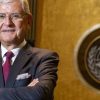
INTERVIEW: the top diplomat shepherding the General Assembly through its 75th year
The Turkish diplomat elected to be the president of the 75th session of the UN General Assembly, Volkan Bozkir, is taking on the role as the Organization grapples with an unprecedented pandemic, and questions surrounding the future direction it should take.
Mapping Nature to Create a Global Biodiversity Framework
The year 2020 was considered a “Super Year” for biodiversity. A string of interconnected events offered a unique opportunity to build a global coalition and international policy framework that recognized the central role of nature to all life on Earth.
Will Trump Threaten to Pullout or De-fund the United Nations?
Back in 1998, Senator Jesse Helms, a rightwing Republican from the US state of North Carolina, carried out a virulent one-man hate-campaign against the UN-- and its very presence in New York.« Previous Page — Next Page »





The Week with IPS

NEXT STOP - SDGs
Tracking global progress towards a sustainable world
Tracking global progress towards a sustainable world
