Languages
Saturday, October 24, 2026



News and Views from the Global South
Beyond Doha: Better Financing for Development
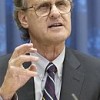
Q&A: “Time Has Come for a New U.N. Women’s Agency”
After being blind for years to the needs and rights of women, the United Nations is finally well on its way to create a "fully-resourced" women's agency, says Stephen Lewis, the former U.N. Special Envoy for HIV/AIDS in Africa.
Q&A: Sanitation Crisis Runs Deep in Africa, Asia
As part of the International Year of Sanitation (IYS), the United Nations launched an aggressive campaign last year to fend off what it called a "silent global crisis": the woeful lack of adequate sanitation in the world's poorest countries.DEVELOPMENT: Swiss Aid Growing Despite Depression
The global economic and financial crisis has raised questions about whether the level of official development aid from the rich world will be maintained in future, at a time when the needs of the developing and emerging countries are growing as a result of the crisis.HEALTH: Privatised Care More Placebo than Panacea
Rich countries and the World Bank should stop pushing privatised health care in poor countries, Oxfam International said Wednesday.HEALTH: U.S. Urged to Pay Fair Share of Global Fund
The Global Fund to Fight AIDS, Tuberculosis (TB) and Malaria is facing a critical funding gap of five billion dollars - an amount that could save nearly two million lives in the coming year, leading public health advocates said at a teleconference Thursday.POLITICS-THAILAND: In 'Thaksin Country' Ousted PM Has Loyalists
For most of her adult life, Yard Sunee had to endure a reality that was worlds away from the conveniences that people in a modern metropolis like Bangkok take for granted - like ready access to tap water.FINANCE: Crisis Pits Vatican Against Offshore Bankers
The financial crisis has the U.S. swirling with charges about the immoral greed of some corporate executives who recklessly bet their companies' futures to line their own pockets. The popular fix for this international calamity stops at the nation's borders: decouple top-line salaries and bonuses from stock prices and institute more transparency and regulation.GENDER-KENYA: Renewed Campaign to Protect Women's Land Rights
Pressure is mounting to include a National Land Policy that ensures equal access to land between women and men in Kenya's new constitution.
Q&A: Urgent Seeds for Haiti
The participation of the most vulnerable people is essential for Haiti's development programmes, says Kanayo Nwanze, vice president of the International Fund for Agricultural Development (IFAD), which this year earmarked 10.2 million dollars for aid to help the poorest country of the Americas survive the current food crisis.SWAZILAND: Fighting Gender Violence With Financial Freedom
When a Swazi women's rights organisation noticed that many women continue to stay in violent relationships because they are financially dependent on their abusive partners, they knew something had to change. They started self-help groups that assist women in breaking away from gender-based violence (GBV) by gaining financial muscle.DEVELOPMENT: Richest Countries Also the Stingiest
As the biggest economy in the world, the United States is hardly living up to its potential to promote global prosperity and boost development in poor countries, according to the 2008 Commitment to Development Index (CDI) released Thursday.
Q&A: Crises Are Left for Another Day…
The Doha Financing for Development Conference is over and many are now wondering how it went and what really happened. Sylvia Borren, co-chair of the Global Call to Action Against Poverty (GCAP), was there.ENVIRONMENT: EU Bank ‘Financing Destruction’ in Africa
The European Union is financing ecologically and socially destructive projects in Africa, a Brussels conference has been told.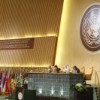
DEVELOPMENT: ‘No Bailout Plan for the Vulnerable’
"Good but not enough!" "Missed opportunity!" "Talks fail to deliver!" These were some of the reactions from civil society as the U.N. Financing for Development (FfD) talks drew to a close in Doha, Qatar, on Tuesday.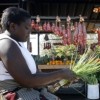
POVERTY-ZIMBABWE: Gardening Lifeline for Urban Women
Growing and selling vegetables has become a lifeline for 41-year-old Mavis Dube at a time when millions of Zimbabweans face increasing poverty and hunger after years of debilitating economic recession.
DEVELOPMENT: Change Comes To Villages in Uganda
In her village they call her ‘councillor’. But Jenipher Namugwere is no ordinary councillor elected by the people to represent them in the local council.DEVELOPMENT: Rights In Times of Crisis
For the past three decades, indebted developing countries have been forced by the International Monetary Fund (IMF) and the World Bank to deregulate financial and labour markets, privatise national industries, abolish subsidies, and reduce social and economic spending.DEVELOPMENT: An Opportunity to Create a New Financial Architecture
The most severe financial crisis since the Great Depression needs massive economic stimulus packages that are coherent and linked with sustainable development imperatives, asserts a new report by top U.N. economists released Monday on the sidelines of the Monterrey Review conference in Doha.
DEVELOPMENT: 'G192' Urged to Put People in Doha Talks
The demand is seemingly simple. ‘Vote for democratic, people-centred development’, advise civil society at the ongoing inter-governmental review of the Monterrey Consensus in Doha, Qatar.Q&A: "How Are We Going to Sustain Gender Approaches?"
The negative aspects of Africa's experience with structural adjustment programmes beginning in the 1990s have been well-documented - facing high debt loads, African governments agreed to liberalise their economies, privatise public enterprises, and sharply reduce social spending with often painful effects on the most vulnerable.
Q&A: “Less Funding Could Lead to Millions of AIDS Deaths”
The global economic crisis is threatening to undermine yet another key development goal set by the United Nations: reversing by 2015 the AIDS epidemic still devastating millions of people worldwide.« Previous Page — Next Page »





The Week with IPS

NEXT STOP - SDGs
Tracking global progress towards a sustainable world
Tracking global progress towards a sustainable world
