Languages
Saturday, October 24, 2026



News and Views from the Global South
Cuba

Fidel Castro Votes to ‘Update Cuban Socialist Model’
Among millions of people flocking to the polls in Cuba to vote in general elections was the unexpected figure of former president Fidel Castro, making a surprise public appearance in what was interpreted as a reaffirmation of his support for the government of his brother, President Raúl Castro.Cuban Diplomacy Bypasses U.S. via CELAC
Cuban diplomacy will be working full blast this year, promoting its own approach to integration in line with the needs and goals of the Community of Latin American and Caribbean States (CELAC), a regional body that excludes the United States, Cuba's leading ideological opponent.
Young Cubans Take a Critical Look at Fatherhood
While more and more young men in Cuba today are rising above cultural prejudices that condition their role as fathers, many continue to conform to traditional styles of fatherhood, often reproducing negative patterns of neglect and abandonment, with serious repercussions for the whole family in light of the country’s economic and legal situation.Despite Immigration Reform, Travel Still Tricky for Cubans
Maria Lourdes, a Cuban, has two passports, one from the island and another from Spain, but until now traveling was only a dream.Cuban Sugar Sector Aims for Recovery in 2013
The Cuban sugar industry seems to be experiencing a rebirth thanks to an economic modernisation programme that has allowed for an injection of foreign capital as part of a strategy to strengthen and diversify this key sector.Cubans See Internet as Crucial to Future Development
The Cuban government’s economic reforms must consider the myriad opportunities offered by the Internet, a key platform of the dominant economic model on the planet, according to interviews with both experts and average people.
Preventing World War III
A Third World War is not impossible, but fortunately is rather unlikely. Let us explore why, and what can be done to prevent it.
Women Fight Climate Battles
 From Zimbabwe to El Salvador, women in poor countries suffer the brunt of climate change, but also learn to recover from disasters, to adapt and even to find opportunities in the new weather conditions.

Peace in Colombia?
People in the streets and squares of the Colombian capital are breathing easier. The air is fresh with hope, in contrast to the former leaden and fearful atmosphere of eternal violence and interminable conflict.Obama’s Historic Cuban-American Vote Opens Window for Change
While political and media attention remains focused on the unprecedented support President Barack Obama received in Tuesday’s election from Latinos, one particular subset of those voters - one with potential foreign policy clout - is drawing intense interest.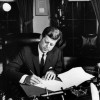
U.S.: 50th Anniversary of Cuban Missile Crisis Offers Lessons for Iran
It was exactly 50 years ago when then-President John F. Kennedy took to the airwaves to inform the world that the Soviet Union was introducing nuclear-armed missiles into Cuba and that he had ordered a blockade of the island - and would consider stronger action - to force their removal.
HAITI: Partners in Deforestation and “Slumification”
More than 100 Haitian families now have new housing, thanks to the support of two non-governmental organisations working on reconstruction following the country's devastating 2010 earthquake.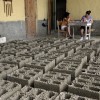
Living in the Heart of Hurricane Alley in Cuba
In Los Palacios, a farming community in the western Cuban province of Pinar del Río, local residents are still working hard to rebuild after the damage caused by two of the three hurricanes that hit this country in 2008. "It was just horrible," people here say when asked about what happened.
Community Drills Part of Cuba’s Top-Notch Disaster Response System
A well-oiled prevention system that involves the entire country, from the highest spheres of government to the most isolated rural community, makes Cuba one of the best-prepared countries in the world when it comes to preventing deaths and mitigating risks in case of disasters.
Q&A: No Single Country Can Forecast Climate Change Alone
Cuban climate change scientists have been sharing their research findings and experience over the past few years with the rest of the Caribbean islands, using PRECIS, a regional climate modelling system, to help design adaptation policies.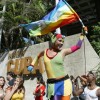
Cuban Activists Defend Sexual Rights as Human Rights
The Fifth Cuban Day Against Homophobia focused on recognising and including sexual rights as human rights, a cause increasingly advocated by activists demanding respect for sexual diversity in this Caribbean island nation.
Breaking the Silence on Racism in Cuba
Gloria Rolando has been revealing hidden chapters of Cuban history since the 2010 premiere of the first part of her documentary series "1912: Breaking the Silence," about the virtually unknown story about the only legal political party to promote racial equality in this country.
Q&A: Needed: Common Caribbean Strategies Against Climate Change
Subject to the double impact of the global economic crisis and climate change, the Caribbean island nations are in need of adaptation strategies in which international cooperation and citizen participation play key roles, says Cuban expert Ramón Pichs.Women Journalists in Cuba Revive Transgressive Group
More than 15 years after the "deactivation" in Cuba of the Association of Women Communicators (MAGIN), its members remain united in an informal network that transcends any specific political situation and has become a reference for the new generations.
ECONOMY-CUBA: Latest Reform: Bank Loans
Rules allowing Cubans to buy and sell cars and homes, and now, to take out loans, are two of the latest steps taken to "modernise" the economy.
CUBA-CARIBBEAN: Forging an Alliance to Fight for Climate Action
When the U.N. Conference on Sustainable Development dubbed Rio+20 convenes in Brazil next year, Caribbean leaders want to ensure that the concerns of vulnerable low-lying coastal and Small Island Developing States (SIDS) will be heard.« Previous Page — Next Page »





The Week with IPS

NEXT STOP - SDGs
Tracking global progress towards a sustainable world
Tracking global progress towards a sustainable world
