Languages
Saturday, October 17, 2026



News and Views from the Global South
Gaza

Burning the Future of Gaza’s Children
"My child became blind and lost the ability to speak, his dad died and his three brothers are seriously wounded. He still has not been told about the loss of his dad,” says the mother of 7-year-old Mohamad Badran.
No Victors or Vanquished in Brutal Gaza Conflict
As the dust - and the gunpowder - settles after the month-long devastating conflict in Gaza, there were apparently no victors or vanquished.
U.S. Avoided Threat to Act on Israel’s Civilian Targeting
United Nations officials and human rights organisations have characterised Israeli attacks on civilian targets during the IDF war on Gaza as violations of the laws of war.
Latin America Closes Ranks in Solidarity with the People of Gaza
Latin America is the region whose governments have taken the firmest stance in support of Gaza in face of the battering from Israel, withdrawing a number of ambassadors from Tel Aviv and issuing harsh statements from several presidents against the attacks on the Palestinian people.
Israel Bites Hand that Feeds, U.S. Feeds Hand that Bites
There is an age-old axiom in politics, says a cynical Asian diplomat, that you don't bite the hand that feeds you.
OPINION: Israeli Peace Activists Grapple with Dilemma
“Strong together, we love Israel and trust the army” – while a tentative truce takes root, banners adorned with the national colours still dominate cities and highways across the country.
U.N.’s “Responsibility to Protect” Another Casualty in Gaza
When world political leaders met at the United Nations back in 2005, they unanimously adopted a resolution affirming the principle of "Responsibility to Protect" (R2P), aimed primarily at safeguarding innocent civilians from war crimes, genocide, mass atrocities and ethnic cleansing.
Israel Lobby Galvanises Support for Gaza War
Pro-Israel activists assembled a huge crowd and a long list of congressional leaders and diplomats to declare their unconditional support for Israel’s military operations in the Gaza Strip on Monday, largely downplaying tensions between Jerusalem and Washington.
Ticking Diplomatic Clock a Cover for Israeli Assaults on Gaza
As the death toll in Gaza keeps climbing - and charges of alleged war crimes against Israel keep mounting - the most powerful political body at the United Nations remains ineffective, impotent and in a state of near paralysis.
OPINION: How to End the Gaza War
As the killing and destruction rages on in Gaza, and as Israeli Prime Minister Benjamin Netanyahu and the Hamas leadership exchange recriminations and threats, key regional and world players must accept a central truism: No peace can be achieved between Israel and the Palestinians without including Hamas. The quicker they internalise this fact, the faster the cycle of violence can be broken.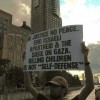
Thousands of New Yorkers Protest Gaza Killings
Thousands of New Yorkers took to the streets in multiple protests this past week against the Israeli offensive in Gaza, which has left at least 1,049 Palestinians dead and over 6,000 injured since Jul. 8.
Israel’s U.S.-Made Military Might Overwhelms Palestinians
The overwhelming Israeli firepower unleashed on the Palestinian militant group Hamas in the ongoing battle in Gaza is perhaps reminiscent of the Algerian war of independence (1954-1962) when France, the colonial power, used its vastly superior military strength to strike back at the insurgents with brutal ferocity.
Gaza Under Fire – a Humanitarian Disaster
As a result of over two weeks of Israeli bombardment, thousands of Palestinian civilians have fled their homes in the north of Gaza and sought refuge in schools run by the UNRWA, the U.N. agency for Palestinian refugees.
Why No Vetoed Resolutions on Civilian Killings in Gaza?
As the civil war in Syria continues into its fourth year, the Western nations sitting on the U.N. Security Council (UNSC) have unsuccessfully tried to condemn the killings of civilians, impose punitive sanctions and accuse the Syrian government of war crimes - in four vetoed and failed resolutions.
IT and Internet Offer Possibilities of Overcoming Blockade in Gaza
"After graduating, I joined the thousands of other graduates on the list of the unemployed. Then I read about a project that offers a technology incubator for youth projects, applied, was accepted and now I’m no longer on that list!
The Train of Palestinian Reconciliation Reaches One More Station
The formation of a new Palestinian government between Fatah and Hamas announced on Monday is an important station on the path to reconciliation, “but there still many stations to be reached before achieving real unity based on partnership among all Palestinians.”
Women Journalists Seize Initiative in Gaza
“We let the men participate in the workshop discussions, but the training sessions are only for women journalists,” says Mona Khadir, who coordinates the activities of the Filastiniyat Women Journalists’ Club in Gaza.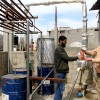
Desperate Gazans Turn Plastic Into Fuel
On the roof of a modest house amidst the alleys of Nusseirat refugee camp in central Gaza Strip, Ibrahim Sobeh and his sons spent more than 200 days working on a primitive device that converts waste plastic into fuel.
To Spy To Live
“If you want to live and receive medical treatment, you have my number, so you can call me and agree to my request. You will then get medical help, and survive.” The request, the patient said, was from an Israeli intelligence officer looking to recruit him in exchange for treatment.
Gazans Find Tuneful Resistance
Like almost everyone else in Gaza, these six are angry about the Israeli-imposed blockade and the resulting misery. Except that they are expressing their anger through music – without the music itself sounding angry.
Gaza Loses an Underground Lifeline
The border between Egypt and the Gaza Strip used to buzz with activity until a few months back as traders brought in an array of Egyptian goods – from food supplies to raw material - through hundreds of tunnels.« Previous Page — Next Page »





The Week with IPS

NEXT STOP - SDGs
Tracking global progress towards a sustainable world
Tracking global progress towards a sustainable world
