Languages
Sunday, October 18, 2026



News and Views from the Global South
MDG 5 - Maternal Health
Q&A: Maternal Mortality Rates ‘One of the Saddest Cases’ in Asia
Nearly 15 years after a landmark international conference to advance the rights and freedoms of women, the picture in the Asia-Pacific region is mixed, says a leading women’s rights advocate and senior United Nations official.AFRICA: Growing Use of Cellphones for Family Planning
The growth of cellphone use, particularly in the developing world, is providing health experts with a new channel of communication to provide family planning information.Q&A: Recognise the Benefits of Slowing Population Growth
Family planning: key to reducing child mortality and improving maternal health; a way to put less strain on the environment; and a smaller population makes the challenge of providing adequate education and health services that little bit easier.
CLIMATE CHANGE: Women Central to Adaptation, Mitigation
Poor women will bear the greatest ‘climate burden’, says the United Nations Population Fund in its 2009 State of the World Population report, released today.
CUBA: Fewer Storks Visiting Shiny Maternity Clinics
Women in Cuba cite a variety of reasons to explain their decision to have only one child, ranging from the housing shortage to the rising cost of living and the many work responsibilities they have to shoulder. But many say that if things were different they would have a bigger family.MIDEAST: Gazans Brace for Cold, Bleak and Miserable Winter
Tens of thousands of Gazans living in tents and damaged homes face a wet, cold and miserable winter as Israel’s blockade of the coastal territory continues to prevent the importation of building and reconstruction material.FRANCE: Top Designers Make Dolls to Fund Darfur Vaccinations
Designer rag dolls, the concept couldn't sound more frivolous. But dolls made by top fashion designers such as Armani and Prada are helping to fund a vaccination programme in war-torn Darfur.SRI LANKA: Anxiety Persists Over Safety of Rubella Vaccine
Sudarma Senevirathana’s teenage daughter is at an age when she can already be given the ‘rubella’ vaccine, administered free of charge by government health officials at schools.
CHILE: Teen Pregnancy, a Problem That Won’t Go Away
Chile currently stands out for its spectacular progress in a number of health indicators, including maternal and child mortality and chronic malnutrition. But these successes obscure an acute social problem that refuses to yield: the steady rise in the number of teenage mothers.HEALTH: U.S. Urged to Double Aid to Global Projects
As the effort to achieve universal health coverage within the U.S. crawls forward in Washington, a new report by a coalition of global health organisations details how the U.S. can "help lead the world to universal access to comprehensive health care in developing countries".AFGHANISTAN: The Cheap Way to Hell
For the last three weeks, 30-year-old Ghulam Nabi has lain in a Kabul hospital bed, suffering. His face is etched with hopelessness, loneliness and despair over the life he once had and has now lost forever.
AFRICA: Uneven Progress on Development Goals
The Millennium Goals cannot be achieved at the United Nations. The U.N. can create a platform for governments to make commitments but cannot force compliance by member states.
INDIA: Return of Traditional Birth Attendants Urged to Meet MDG 5
As India struggles to lower one of the world's highest maternal mortality rates, activists and experts are calling for a revision of polices aimed at "institutionalising" deliveries in resource-poor rural settings and phasing out the 'dai' or traditional birth attendant (TBA).RIGHTS: Unsafe Abortions Killing 70,000 a Year
Unsafe abortions kill about 70,000 women a year, says a report by the U.S.- based Guttmacher Institute. An additional five million women are treated annually for complications arising from unsafe abortion, adds the report, based on a global survey.
Q&A: Invest in Young People in Latin America
To fight inequality, Latin American countries must double the financial commitment they made at the 1994 International Conference on Population and Development in Cairo, Marcela Suazo, the regional director for the United Nations Population Fund (UNFPA), told IPS.CAMBODIA: Alarming Maternal Deaths Require a Mix of Solutions
Early this year, heavily pregnant Vorn Yoeub, 37, arrived at a hospital in the western Cambodian border town of Pailin. The mother of seven other children died later that evening along with her unborn child after suffering complications from bleeding.HEALTH: Criminalisation of Abortion 'The Wrong Concept'
One hundred African women and girls die unnecessarily from unsafe abortions every day because they have to rely on unqualified medical practitioners or self-induce abortion by ingesting poisonous substances or inserting tools into their uterus.HEALTH-NAMIBIA: Illegal Abortions Common Despite Risks
Ten years ago, a move to legalise abortion in Namibia failed. The number of unwanted pregnancies remains high, with many people unwilling or unable to use contraception. Despite the risks, illegal abortions remain common.
HEALTH-AFRICA: If Men Were Dying En Masse…
Maternal mortality rates in Africa constitute a "monumental tragedy" that requires urgent attention by African governments, health experts say.
ZAMBIA: Orphans Learn Life Skills Through Soccer
For 70 minutes, the girls in the distinctive gold-and-green jersey of Brazil shut out the attacks by the visiting team. The bare feet of chubby-faced left back Njavwa Silungwe are lively in defence.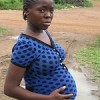
HEALTH-LIBERIA: Rainy Season Deadly for Pregnant Women
As heavy rain hammers the grass thatch roof of her mud hut, Goromah Borbor huddles inside and quietly describes how her daughter Annie died while giving birth.« Previous Page — Next Page »





The Week with IPS

NEXT STOP - SDGs
Tracking global progress towards a sustainable world
Tracking global progress towards a sustainable world
