Languages
Saturday, October 17, 2026



News and Views from the Global South
MDG 5 - Maternal Health
POLITICS-PHILIPPINES: Rice and Condom on the Election Agenda
Rice and condoms do not usually land on the same list of household basics in the predominantly Catholic Philippines, but extremely poor couples here with huge families would choose rice if given the two options.RIGHTS: Nicaragua Refuses to Discuss Therapeutic Abortion
Nicaragua slammed the door on any possible debate on the restitution of therapeutic abortion - performed to save the life of the pregnant woman - despite demands that it do so voiced during a United Nations review of human rights in the country.PAKISTAN: Community Midwives Gain Recognition But Concerns Remain
As Kanwal Gul, 25, lay on the delivery table a year ago, preparing to give birth to her first child, she made sure the traditional birth attendant (TBA) assisting her knew exactly what to do. Put on the gloves, she instructed her.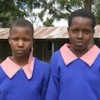
KENYA: Victory for Anti-Abortion Lobby
The threat by influential Christian leaders to mobilise a vote against Kenya's draft constitution if it does not explicitly prevent any expansion of abortion rights appears to have succeeded.
ARGENTINA: Slow Progress in Cutting Maternal Deaths
Some 300 women a year die in Argentina of complications during pregnancy, childbirth or the postpartum period, from largely preventable causes. Many of the deaths result from unsafe abortions.
GHANA: Quietly Extending Options to Women
Juliana Kweais has a small scar on her bottom lip, from the first time she witnessed an abortion. The sharp blow to her mouth was delivered by her grandmother, after the then-13-year-old Kweais had asked why her auntie had given "birth" to a bloody sack.
KENYA: Clash Over Abortion Rights in New Constitution
A harmonised draft constitution has now been handed over to Kenya's Parliamentary Select Committee. Influential Christian leaders are warning that the question of abortion could derail the constitutional review process.POLITICS: Zimbabwe Blasted for Condoning “Sexual Terror”
Zimbabwe’s ruling political party has been accused of launching a "widespread and systematic campaign of rape and sexual terror" aimed at intimidating opponents and voters in the troubled African nation, according to a new report released here.GENDER: U.N. Women’s Treaty Weakened by Slew of Reservations
A landmark U.N. treaty on women’s rights, which will be 30 years old next week, is in danger of being politically undermined by a slew of reservations by 22 countries seeking exemptions from some of the convention’s legal obligations.AFGHANISTAN: Gov’t and Donors Fail to Protect Women’s Rights
Attention over the past week has focused on United States President Barack Obama’s decision to "surge" troop levels in Afghanistan to 30,000 and begin a drawdown in 18-months, but a new report calls attention to the failure of the Afghanistan government and international donors to protect women’s rights.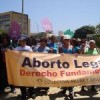
DOMINICAN REPUBLIC: Women Facing Increased Risk
Dominican organisations focused on the rights of women are bringing in assistance from all over Latin America to aid them in their fight against Article 30 in the recently approved constitution which states that the right to life is inviolable from conception until death.
HEALTH-BAHRAIN: Men Bring HIV Home
Umbassil* is unlike other engaged women. Instead of planning her wedding she is wondering where she will have her baby. She is not pregnant but she knows that Bahrain's maternity hospitals will not admit her because she is HIV positive.
RIGHTS: Nigeria Failing To End Discrimination Against Women
Nigeria ratified the Convention on the Elimination of Discrimination Against Women (CEDAW) in 1985 without reservations. But few of its citizens have ever heard of the document. Day-to-day life for women in Nigeria is shaped less by international conventions than it is by the diverse cultures, traditions and religions found in the country.Q&A: CEDAW – Signed, Sealed and Largely Left on the Shelf
Mauritania formally adopted the Convention on the Elimination of Discrimination Against Women in 2001, but in the eight years since, it has had limited effect on the status of women.GUATEMALA: Sex Education, Family Planning Finally Available
Social organisations in Guatemala are celebrating the entry into effect of a family planning law that will usher sex education into the country's classrooms and facilitate access to birth control methods, as a victory in the fight against the country's high birth and maternal and infant mortality rates.
PERU: IACHR Calls for Justice for Victims of Forced Sterilisation
The Peruvian government is once again being called on to bring to justice the perpetrators of the Voluntary Surgical Contraception (VSC) programme carried out by the Alberto Fujimori (1990-2000) regime, under which tens of thousands of women were forcibly sterilised. This time, the demand comes from the Inter-American Commission on Human Rights (IACHR).BOLIVIA: The Credibility of Campaign Promises
If two candidates offer funds for the poor, but one of them is known for living up to his promises, who will the citizens vote for? That would seem to broadly describe the choice Bolivian voters are facing in the Dec. 6 general elections.INDIA: Women’s Political Empowerment, Yes; Better Lives, No
Despite getting suitably politically empowered, women in India continue to lag behind on almost all crucial developmental parametres like education, health and economic participation.Q&A: ‘MDGs Don’t Recognise Role of Human Rights in Poverty Fight’
As the number of people living in poverty swell to over two billion, Amnesty International Secretary-General Irene Khan makes a strong argument for human rights to be made central to development and eradication of poverty.GENDER-AFRICA: Some Progress Amidst Continuing Challenges
The Beijing Platform for Action in 1995 set out an agenda to address gender equality in priority areas, including poverty, education, and health care. It also committed governments to address violence against women, equitable access to economic resources and decision-making power.POLITICS: U.N. in Final Push for 2015 Development Goals
A special U.N. summit of world leaders, scheduled to take place next year, is expected to make "a final push" to help reach the world body's widely-touted development goals by the targeted date of 2015.« Previous Page — Next Page »





The Week with IPS

NEXT STOP - SDGs
Tracking global progress towards a sustainable world
Tracking global progress towards a sustainable world
