Languages
Saturday, October 17, 2026



News and Views from the Global South
MDG 5 - Maternal Health

Are Namibian Women Being Forcibly Sterilised?*
A landmark court case, alleging that HIV-positive women were forcibly sterilised in Namibian state hospitals begins in Windhoek's High Court on Jun. 1. Human rights groups claim the practice has continued long after the authorities were notified.
SOUTH AFRICA: Lack of Quality Health Care Causes Rise in Orphans
Two small boys play quietly on a jungle gym, some distance away from other children. The six-year-old twins, who live at the Masigcine children's centre in Mfuleni township, 35 kilometres out of Cape Town, are severely traumatised from being orphaned at the age of one and have difficulty relating to their peers.Child Mortality Rates Falling Faster than Expected
With only five years left to meet the Millennium Development Goals' 2015 deadline for reducing child mortality, progress toward that goal may be coming faster than was previously thought.INDIA: Rising Use of Emergency Contraceptives Raises Alarm
When Sunita Sanyal (last name changed) complained of intense headache and vomiting, her mother presumed it was just pre-examination jitters. After all, Sunita’s business management finals were just a week away.PERU: Glass of Milk Half Empty
The "Glass of Milk" Programme, created in 1985 in Peru to provide a nutritional supplement for the most vulnerable population, specifically children up to six years old and pregnant and nursing women, is undermined by poor oversight, according to an audit by the Comptroller General's Office.World Bank Boosts Commitment to Lower Maternal Mortality
The World Bank intends to ramp up spending on family-planning and related initiatives to reduce maternal mortality, improve reproductive health, and reduce fertility rates in nearly 60 developing countries, particularly in sub-Saharan Africa, according to a new five-year plan released by the Bank here this week.LATIN AMERICA: Plan to Eradicate HIV, Syphilis in Newborns in Five Years
With the right treatment, mother-to-child transmission of congenital syphilis and HIV, the AIDS virus, can be prevented. But every year, thousands of babies are still being born with these diseases in Latin America and the Caribbean.
ECUADOR: Fewer Mothers Dying Thanks to “Model” Law
Seventeen-year-old Miriam Toaquiza is the only occupant of the teenage mothers' ward in the public hospital in this Andean city. Beside her in the bed is Jennifer, her newborn baby.
SIERRA LEONE: Bold Plan for Maternal Health
A woman alone: Josephine Bangali fetches water from the well to set to boil over a wood fire so she can sterilise her instruments.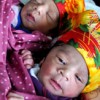
PAKISTAN: Lack of Access to Contraception, Abortion Persist
Perween Riaz, 36, waited till after she gave birth to her sixth child before she finally got herself sterilised.NICARAGUA: Controversy Over Pregnancy-Related Death Toll
Non-governmental organisations in Nicaragua are questioning data on the maternal mortality rate released by the government, which is claiming a historic decline in the indicator, and they warn that the reduction target that the country has committed itself to by 2015 is still out of reach.HEALTH: Maternal Deaths Drop, but Progress Still “Slow”
One day closer to an ever-approaching deadline to achieve the Millennium Development Goals (MDGs), U.N. Secretary-General Ban Ki-moon announced a Joint Action Plan to improve reproductive, maternal and newborn health on Wednesday, flanked by international leaders and development experts.HEALTH: Empowering Women to Slash Mother and Child Deaths
In developed countries, child and maternal mortality is a health problem that has largely been solved.
HEALTH-KENYA: Funding Threatens AIDS Prevention
Pregnant mothers who are HIV-positive could soon find it challenging to access life-saving HIV drugs because Kenya was denied 270 million dollars in funding from the Global Fund to Fight AIDS, Tuberculosis and Malaria.DEVELOPMENT-KENYA: Rapid Population Growth Threatens Development
Margaret Atieno, a 38-year-old mother of six, says she wanted to avoid her last pregnancy. But consistent stock-outs of contraceptive devices at her health care centre in rural Siaya, western Kenya, gave her no choice but to fall pregnant once again, albeit the fact that she did not want another child.
LATIN AMERICA: Abortion – Still Illegal, Still Killing, Despite Growing Awareness
Although most of the governments in Latin America today are described as progressive, abortion is only legal in one country, while in five countries it is banned under all circumstances, even when the mother's life is at risk.GUATEMALA: Off Track for Millennium Development Goals
Guatemala knows that when it comes time to demonstrate compliance with the Millennium Development Goals (MDGs), a set of global anti-poverty and development target to be met by 2015, it will make a poor showing.
BOLIVIA: Cash for Checkups to Slash Maternal Deaths
A social programme in Bolivia that prevents the deaths of two mothers a day from complications related to pregnancy and childbirth is making headway despite administrative difficulties, and has the potential to cut the alarmingly high maternal mortality rate in this country by up to 80 percent in just five years.
RIGHTS: Rise and Fall of Gender Empowerment
The 45-member Commission on the Status of Women (CSW), presiding over one of the largest gatherings of women at the United Nations, listened Monday to dozens of speakers spelling out the successes and failures of gender empowerment worldwide.HEALTH: Addressing Preterm Births Crucial to Anti-Poverty Goals
Reducing the annual 13 million preterm births and 3.2 million stillbirths should be a global public health priority, says a report released Monday which asserts that significant reductions in these numbers could be achieved by improving access to low-cost interventions in both low and high-income countries.
EAST AFRICA: Improving Local Access to Family Planning
A severe shortage of highly-trained medical personnel is one of the many challenges to providing health care at a local level across Africa. Task shifting - permitting less-specialised people to carry out certain functions - is one proposal to over come this, but it is meeting resistance.« Previous Page — Next Page »





The Week with IPS

NEXT STOP - SDGs
Tracking global progress towards a sustainable world
Tracking global progress towards a sustainable world
