Languages
Sunday, November 8, 2026



News and Views from the Global South
Millennium Development Goals (MDGs)

SPAIN: Protest Movement Chalks Up Victories
"I want to thank the 15-M. I will not forget them," Algerian immigrant Sid Hamed Bouziane, whose deportation order was revoked after a group of activists from this burgeoning Spanish protest movement held an 11-day demonstration on his behalf, told IPS.
PAKISTAN: Fighting a Taliban-Polio Alliance
With Pakistan’s Khyber Pakhtunkhwa province turning into the ‘polio capital of the world’, authorities are warning parents that heeding Taliban propaganda against oral polio vaccination (OPV) could earn them a prison sentence.
GHANA: The Abandoned Offspring of Oil
Kobina's legs are dappled with scars. He gets them flitting across the beach in Sekondi, in southwest Ghana, slipping in the soot-black mud and clambering over pirogues slippery with fish guts, only to sell a sachet of water or a freshly peeled orange to fishermen working on the shore.Bill Gates to Support “Robin Hood” Tax
Microsoft co-founder and billionaire philanthropist Bill Gates appears poised to endorse the adoption of a controversial financial transactions tax (FTT) to be used as a new source of development aid for poor countries.
Tapping Boys in the Struggle for Girls’ Equal Rights
Brothers, husbands, boyfriends and fathers are key actors in the creation of a world where girls enjoy the same rights as boys, and will themselves benefit from greater gender equality, stresses a new report from Plan International released Thursday.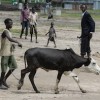
SOUTH SUDAN: Children Snatched Out of their Homes
In villages across South Sudan children are being snatched out of their homes in the dead of night, never to see their families again.Uneven Results in Bid to Halt Needless Mother and Child Deaths
Political, private sector and civil society leaders from around the world gathered here on Tuesday to recommit to a year-old initiative, Every Woman Every Child, which aims to prevent 16 million maternal and child deaths by 2015.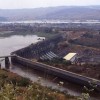
DR CONGO: No Water, No Management, No Power
Frequent power cuts have led to the firing of the board of the Democratic Republic of Congo's national electricity company. But it is not clear if sub-par generation from the Inga hydroelectric power stations supplying the capital Kinshasa is due to poor management or to unusually low water levels in the Congo River.CLIMATE CHANGE-BRAZIL: Farmers “Have Good Reason to Worry”
Bananas are harvested where apples used to grow; cassava, a traditional crop, is disappearing from the Northeast; and the southeast is losing the fragrance of good coffee. This is the science fiction of a new distribution of crops in Brazil, South America's agricultural powerhouse.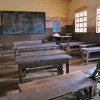
Adding Up the Cost of Education in Sierra Leone
A formal strike of teachers has been averted and pupils in Sierra Leone returned to school on Tuesday, almost a week after the term was meant to officially start.
Ship of State Needs More Women at the Helm
Less than 10 percent of the world's political leaders are female, according to United Nations figures, but many of them were present Monday at U.N. headquarters in New York, where they reiterated calls for increased participation for women as critical to both economic development and democracy.Women Hung Out to Dry in Global Labour Market
Amid policy battles over food production, energy resources and economic decline, one untapped natural resource that is guaranteed to boost production on a global scale has been stubbornly overlooked – the power of women in the labour force.
DADAAB: A Daily Prayer for Complication-Free Births
Dr. Beldina Gikundi's daily prayer is that the handful of malnourished pregnant Somali women who go into labour that day at the Dadaab refugee complex do not have complications, which might require a caesarean section. Because Gikundi knows that Somali cultural beliefs mean that she and her staff at Hagadera Hospital will most likely not be able to immediately operate on the women and save their lives and those of their unborn children.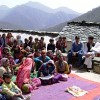
INDIA: ‘Missing Girls is About Femicide’
India has been ranked the fourth most dangerous country in the world for women, but the widespread practice of selectively aborting female foetuses may make it the most hostile to the female gender.
DOMINICAN REPUBLIC: Women Challenge Monopoly on “Men’s Jobs”
From a small office inside a public school on the eastern side of the Rio Ozama in the capital Santo Domingo, a programme operated by a local NGO, Ce-Mujer, has been leading a quiet revolution to empower women in the workplace for the last 13 years.World Bank, IMF Face Shifting Development Paradigm
Amid a global financial crisis that has shown little signs of reversing, next week's fall meetings of the International Monetary Fund and World Bank are crucial in setting the tone for rebounding world markets, to which leaders of the Bretton Woods institutions offered optimistic, yet ultimately vague, solutions in speeches this week.SOUTH AMERICA: Uneven Progress in Child Health
Argentina, Bolivia, Brazil, Chile, Paraguay and Uruguay have all made progress in the area of child health. But some are celebrating significant achievements while others are plodding slowly towards the goals adopted by the U.N. member countries in 2000.
SWAZILAND: No Fees No School
The future education of Swazi children remains uncertain, as public schools across the country have not reopened for the new term because government has not been able to pay for their upkeep.Finding Opportunity in a World of Seven Billion
Next month, the world's population will reach seven billion people, a landmark that the United Nations Population Fund (UNFPA) is hailing in its drive to raise awareness about the need for global cooperation to solve issues of development.Unleashing the Power of Women and Girls
Kakenya Ntaiya was engaged at age five and would have been married by 13 if her mother had not insisted that she attend her small village school in Enoosaen, Kenya.
BRAZIL: Beating Drought in Semiarid Northeast
Violent clashes looked inevitable when some 1,500 desperately hungry peasants poured into this small Brazilian town. Riot police were staked out to prevent looting. It was the year 1993, and millions of people in Brazil's impoverished semiarid Northeast had been forced to the brink of starvation by three years of drought.« Previous Page — Next Page »





The Week with IPS

NEXT STOP - SDGs
Tracking global progress towards a sustainable world
Tracking global progress towards a sustainable world
