Languages
Saturday, October 10, 2026



News and Views from the Global South
Pakistan
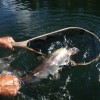
Trout Trump the Taliban
The rivers in northern Pakistan’s Khyber Pakhtunkhwa (KP) province were once thick with trout. Spanning hundreds of kilometres, these water bodies played host to the exotic fish, first introduced by the British in the early 1900s, which eventually became a staple in the diets and livelihoods of the province’s 20 million residents.Execution Sparks Unrest in Kashmir
“Give us his body; we want to give him a respectable burial…” this is the overwhelming demand across Kashmir following the hanging of Mohammad Afzal Guru who was convicted for his role in the attack on the Indian parliament on Dec. 13. 2001. Nine people died in the attack.
Pakistan Tribes Turn Against Army
–“We demand an immediate end to the military operation in Khyber Agency because it has not brought any results during the past three years,” says Iqbal Afridi from the Pakistan Tehreek Insaf party. “The military operations are killing the local population while the militants remained unharmed.”
Taliban Bullets Target Ballot
The new round of a terror campaign by Taliban militants against liberal politicians and health workers has led to fresh alarm within government and civil society. Many see this as a ploy to postpone elections due mid-2013.
A Hundred Killed, A Community Cornered
"I want justice,” says Shukria Jamali, 20. “But I wouldn't want my worst enemies to feel the intense pain I am feeling now."
Official Failure Kills Hundreds of Children
It came as no surprise to Dr Zulfikar Ahmad Bhutta, a leading child expert at the Aga Khan University in Karachi, that an outbreak of measles has claimed the lives of more than 300 children in Pakistan. "The tragedy was in the offing," he said, putting the blame squarely on the abysmally low coverage of routine immunisation against childhood diseases.
Education Fights Militants and Military
Eight-year-old Muhammad Akram was forced to quit school when he was in the second grade, when the Taliban destroyed the small, government-run school that he and his brother had been attending.
EU Trade Deal Offers Pakistan Some Respite
 Karachi, a sprawling city of 18 million, is the country’s economic hub. It accounts for 95 percent of Pakistan’s foreign trade and contributes 30 percent of national industrial production.

“The Hands That Supply EU Imports”
The European Union (EU) is Pakistan's largest trading partner, with overall trade between the two countries topping eight million euros in 2011.

Preventing World War III
A Third World War is not impossible, but fortunately is rather unlikely. Let us explore why, and what can be done to prevent it.
Patchy Progress on Maternal and Child Health in Pakistan
As the 2015 deadline for achieving the Millennium Development Goals (MDGs) approaches, Pakistan must reckon with its patchy progress on maternal and child health.

The Politics of Polio in Pakistan
The murder of nine health workers vaccinating children against polio in Pakistan’s northwest cities of Peshawar and Charsadda in the Khyber Pakhtunkhwa (KP) province, and its southern port city Karachi, have elicited shock and outrage.
Girls Fight to Stay in School
Balancing her school bag on one shoulder and holding her three-year-old son by the hand, Farida Haque (19) ignores her in-laws’ complaints and her husband’s frown as she heads each morning for the tiny school in her remote village of Allah Bachayo, located in the Thatta district of Pakistan’s Sindh Province.

Endangered Bird Falls Prey to Royal Hunting Games
Every year, between November and January, the Indus Flyway bears witness to a migration of an endangered bird species – the houbara bustard – from Central Asia to the deserts of Pakistan.
The Frightening Scenario of the Nuclear War
Soon after President Barack Obama was elected in 2008, hundreds of leaders of the global medical community wrote an open letter to him, and to newly elected Russian President Dmitry Medvedev, urging them to make the abolition of nuclear weapons their highest priority:
Remittances Soothe the Scourge of Militancy
Fifty-nine-year-old Sherdil Shah, a resident of South Waziristan – a hotbed of militancy in northern Pakistan’s Federally Administered Tribal Areas (FATA) – used to run a modest grain shop that fetched enough money to keep his family of 10 well-fed and looked after.
Kashmiri Separatists Scrabble for Political Relevance
Amid growing scepticism among Kashmiri people that the separatist leadership has lost relevance in the region’s fast-changing political landscape, the All Parties Hurriyat (Freedom) Conference – an alliance of separatist political parties and religious and social groups - is making a Herculean effort to reclaim some relevance in this disputed region.
Unregulated Drug Market Has Deadly Impact in Pakistan
When 26-year-old Muhammad Qasim, a rickshaw driver from Lahore’s low-income Shahadra settlement, died last month, his family was shocked to learn that the cause of death was an overdose – of cough syrup.
A Million Hardships in Pakistan’s North
More than a million people displaced from the Federally Administered Tribal Areas by growing militancy and military operations are facing severe hardship after losing businesses and work.Execution Met With Silence in Pakistan
Wednesday, Nov. 21, dawned like any other in the sleepy town of Faridkot, located some 150 kilometres from the Punjab capital of Lahore in Pakistan. But as the town’s 3000 residents went about their daily routines the air grew thick with apprehension, for a reason none wanted to mention.
Pakistan Attacks Pneumonia With Free Vaccine
Medical practitioners at the National Institute of Child Health (NICH), a leading government-run children’s hospital in Karachi, hope that this will be the last winter they have to treat a stream of children suffering from pneumonia.« Previous Page — Next Page »





The Week with IPS

NEXT STOP - SDGs
Tracking global progress towards a sustainable world
Tracking global progress towards a sustainable world
