Languages
Wednesday, November 11, 2026



News and Views from the Global South
Politics
Deadly Crackdown on Bahrain Protesters
At least two people are dead and hundreds injured after security forces in Bahrain drove out pro-democracy protesters from the Pearl Roundabout in the capital, Manama.BAHRAIN: Saudi Intervention Likely to Bring Regional Blowback
Saudi Arabia's incursion into neighbouring Bahrain is a risky move that could further inflame domestic unrest in both countries and give a propaganda boost to Tehran's campaign to cultivate the Arab street.Cooperation Strategic To Protect Tigris and Euphrates
On a dusty street in the north-eastern Iraqi city of Sulaimaniya one recent day, an elderly man sold heaps of tomatoes, fruits and other fresh produce from a makeshift trolley.
PAKISTAN: Unsung Heroines Bring Healthcare to Villages
At eight in the morning 30-year-old Sultana Solangi steps out of her house ready for her day’s work. Wearing a black gown that shows only her eyes, she is shod in comfortable slippers and lugs a large black bag.Bahrain Imposes State of Emergency
The king of Bahrain has declared a state of emergency for three months on the island following weeks of anti-government protests, as deadly clashes continued across the country.
INDIA: Tech to the Rescue of School Lunch Model
Surrounded by lush green wheat and yellow flowering mustard fields at Ekdanta primary school, it is noon and the 57 children in two combined classes are fidgety - impatient for the school served midday meal.Palestinian Village Under Siege Following Settler Killings
Food supplies are running low, ambulances have been detained for hours at checkpoints, and hundreds of young men have been held, interrogated and beaten up, some requiring hospitalisation, in the Palestinian village of Awarta in the northern West Bank. The village has been under continuous curfew for four days.Sri Lanka: NGOs Face Funding Gap and Government Scrutiny
Lack of donor funding, state phobia against western NGOs, and restrictive work permits for foreign aid workers have together hit the operations of several dozen Sri Lankan NGOs and their foreign counterparts.BAHRAIN: Saudi Deployment Could Widen Communal Fault Lines
Monday's arrival of 1,200 Saudi and 500 Emirati security forces with a mandate from the Gulf Cooperation Council (GCC) to support King Hamad bin Isa al-Khalifa's regime in Sunni- ruled, Shiite-majority Bahrain only stokes sectarian conflict and fuels the regional power politics between U.S.-Saudi hegemony and an increasingly influential Shiite-led Iran, analysts here argue.LIBYA: Time for Intervention Running Out
With Libyan government forces advancing towards the rebel capital of Benghazi, the time for possible military intervention by the U.S. and its NATO or other allies appears to be running short.India, Wary of China and Pakistan, Boosts Arms Stockpiles
As it projects its political and economic power in Asia - and vigorously pushes its longstanding claims for a permanent seat in the United Nations Security Council - India is also steadily strengthening its military might in the sprawling continent.Japan Atomic Woes Trigger Policy Review in Germany
The unfolding nuclear catastrophe in Japan, triggered by last Friday's massive earthquake and tsunami, followed by a chain of explosions in atomic power plants, has forced the German government to rethink its own nuclear energy policy.Japan Bracing For Nuclear Meltdown
Desperate efforts by the government to avoid the looming nightmare of a nuclear meltdown in tsunami damaged Fukushima Daiichi nuclear plants, 240 kilometres north of Tokyo, have brought no relief to the public who face the possibility of another explosion that could spew deadly radiation across the country.
PAKISTAN: Deaths of ‘Unwanted’ Babies On The Rise
The graves at a cemetery in Moach Goth have no epitaphs, no verses from the Koran, not even the names of the deceased. The only inscription on the small wooden signs that serve as headstones is a number and the date of burial. The latest one is Number 72,315.CUBA-US: Alan Gross and the “Cyberwar”
The 15-year jail sentence handed down over the weekend to U.S. citizen Alan Gross, who was found guilty in Cuba of "acts against the independence and territorial integrity of the state," is part of a new chapter in the conflict between Havana and Washington, which is now playing out in cyberspace.INDIA: Japan Quake Focuses Anti-Nuclear Message
Anti-nuclear campaigners in India see the earthquake that hit Japan last week, which threatens the meltdown of the Fukushima atomic power facility there, as a wakeup call for this country’s ambitious nuclear power programme.Saudi Troops “Sent into Bahrain”
A Saudi military force of about 1,000 troops has entered Bahrain to help protect government facilities there, according to witnesses and reports citing Saudi sources.
Ivorian Cocoa Producers Cry Foul Over Sanctions
The international community's efforts to deny embattled president Laurent Gbagbo access to funds from cocoa exports have resulted in hundreds of thousands of tonnes of Ivorian cocoa surfacing in neighbouring countries.LIBYA: Benghazi Stands Firm Against Gaddafi’s Gains
The red, green and black flag-waving Libyans calling for the downfall of Muammar Gaddafi are staging a show of force in Benghazi. The support for the three-week-old revolution comes at the rebels' lowest military moment.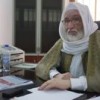
LIBYA: Religious Leaders Hold Out Against Gaddafi
Libyan leader Muammar Gaddafi claims Al-Qaeda and other Muslim extremists are behind the recent rebellion to oust him from power. Salem Geber, the most well-known cleric in Benghazi, Libya's second-largest city, says this explanation is not only wrong, but a vintage Gaddafi tactic to inspire fear.
ITALY: Migrants Settle Into Permanent Struggle
The momentous political events in North Africa have been accompanied by increasingly apocalyptic warnings from the Italian government of a mass influx of unwanted immigration from Tunisia and Libya.« Previous Page — Next Page »





The Week with IPS

NEXT STOP - SDGs
Tracking global progress towards a sustainable world
Tracking global progress towards a sustainable world
