Languages
Monday, November 9, 2026



News and Views from the Global South
Poverty & MDGs

SOUTH AFRICA: Scientists Find Green Method to Purify Toxic Water
South African scientists have developed an environmentally friendly method to clean highly toxic water and convert it into drinkable water. Once available commercially, the method could drastically reduce the negative impact industry has on water pollution worldwide.Selling Nature to Save Nature, and Ourselves
Avoiding the coming catastrophic nexus of climate change, food, water and energy shortages, along with worsening poverty, requires a global technological overhaul involving investments of 1.9 trillion dollars each year for the next 40 years, said experts from the U.N. Department of Economic and Social Affairs (UN-DESA) in Geneva Tuesday.
KENYA: Budget Cushions Agricultural Sector Amidst Staggering Inflation
As the country’s inflation rate hits a staggering 14.5 percent – compared to 4.5 percent in December 2010 - Kenyans are struggling to afford basic commodities like maize, amid a shortage of the staple food.CLIMATE CHANGE: Dream of a Camel, Get a Goat, and Be Happy With It
Sometimes you have to dream of a camel to get only a goat, South African Foreign Minister Maite Nkoana-Mashabane said last weekend to delegates from 35 countries gathered in Berlin to discuss ways to avoid the collapse of international climate change negotiations.
KENYA: People Dying Because of Lack of Anaesthetics
One person dies weekly in Kenya due to a shortage of anaesthetics and the situation is worse in slums and rural areas across the country.ZIMBABWE: The Impossible Search for a Hangman
For over four years now, Tendai Dzingirai * has lived each day afraid that it may be his last. Dzingirai is one of almost 60 inmates on death row in Zimbabwe’s prisons. But like the other prisoners, Dzingirai does not know when he will finally meet his fate – especially since the country has not had an executioner for the last six years.
BRAZIL: Rainbow of Colours and Gender Equality at Innovative School
In the last three years there have been no teen pregnancies among the youngsters at Casa do Zezinho, an extracurricular educational and cultural facility in Brazil attended by 1,500 children and young people from favelas or shantytowns on the south side of São Paulo.
U.N. Women’s Agency Being “Strangled at Birth”
When the United Nations inaugurated a landmark special agency for women last January, Secretary-General Ban Ki-moon set an initial target of 500 million dollars as the proposed annual budget for the new gender-empowered body.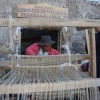
PERU: Indigenous Women Weave New Community Ties
Fuchsia, green and turquoise yarn shuttles swiftly across the wooden loom Dora Huancahuari has learned to use. Together with other craftswomen, she has started a small weaving business which is helping to rebuild their lives in this remote, poverty-stricken Andean community torn by Peru's history of armed conflict.The Oxymoron of Political Leadership
Political will is all that's needed to bring electricity to the 2.5 billion people with no or unreliable access to power, or to feed the one billion who go hungry every day, or to finally begin to slash carbon emissions to avoid dangerous climate change, or just about any other global problem.SUDAN: Southern Kordofan – A State of Ghost Towns
While humanitarian organisations try to bury the corpses scattered across Southern Kordofan, aid to the thousands of people displaced by the fighting is slow as the country's humanitarian commission has prohibited most aid organisations from working in the area.
NAMIBIA: Investing in the Health of Farm Workers
In one of the most sparsely populated countries on the planet, people travel up to 200 kilometres in the simmering heat to see a nurse or get basic medication.
SOUTHERN AFRICA: Getting Water to the People
The Southern African region is underutilising its water – a resource to which its citizens already have limited access.OP-ED: The Good News About Coal
During the years when governments and the media were focused on preparations for the 2009 Copenhagen climate negotiations, a powerful climate movement was emerging in the United States: the movement opposing the construction of new coal-fired power plants.
UNICEF Leads ‘Back to School’ Initiative in Cote d’Ivoire
When the five-month-old political standoff in Cote d'Ivoire came to an end in early April, the strife-torn West African nation was expected to return to normal - later than sooner.
UGANDA-HEALTH: When Women Go Without Needed Contraceptives
When the monthly contraceptive injection that Bernadette Asiimwe, a mother of four, got from government health centres in western Uganda was out of stock for weeks, she fell pregnant with her fifth child.
Mauritania Could Lose Its Capital City to the Sea
For the past five years, water has been seeping out of the ground beneath parts of Nouakchott, undermining foundations and transforming some areas of the Mauritanian capital into uninhabitable marshes.
DR CONGO: Water Shortages Grip the Capital
In recent months, no one in the Congolese capital has been spared the effects of water shortages. Where spending entire days criss-crossing Kinshasa in search of water with battered containers in hand was previously the unhappy task of women and children, now men in suits have joined the fray.Nuclear for the Poor, Renewables for the Rich?
In a debate about the future of energy, the global south wants to spend tens of billions of dollars on nuclear plants while the global north looks to spend hundreds of millions on decentralised, renewable energy.World Heading to Slow Motion Health Crisis
Sixty percent of all global deaths are now caused by non- communicable diseases (NCDs) such as cancer, diabetes and lung disease, according to a report by the U.N. Secretary-General's office.On the Road to Green Energy for All
Like our cave-dwelling ancestors of 200,000 years ago, nearly three billion people still use fire for cooking and heating. Of those, some 1.5 billion people have no access to electricity. For a billion more, their only access is to sporadic and unreliable electricity networks.« Previous Page — Next Page »





